

Why Most CMOs Lose Ground in Crowded Markets (And How Positioning Fixes It)


In 2026 crowded markets, many CMOs lose ground because their brands lack distinct positioning amid fierce competition. Weak differentiation turns marketing spend into scattered efforts that fail to capture attention or drive revenue. Audience research often stays surface-level, leaving value propositions generic and forgettable. As a result, inbound leads dry up while competitors pull ahead through sharper brand building tactics for market dominance.
Advanced brand positioning strategies change the equation. They create a defined mental space that resonates with target buyers and sets the brand apart on factors beyond price or features. CMOs who implement these brand positioning strategies transform marketing into the growth engine the organization needs.
Data from leading analyses confirm that strong positioning boosts recall and conversion rates significantly. It also supports content-led growth positioning that attracts prospects at the moment they search for solutions.
B2B brand positioning case studies reveal consistent patterns: companies that map audience pain points to unique promises see higher pipeline contribution and lower acquisition costs.
The fix starts with deep competitive analysis and consistent messaging across channels. AI data-driven branding tactics accelerate this work by revealing real-time sentiment and emerging opportunities.
When executed well, these steps deliver category dominance and sustainable inbound lead flow. CMOs gain credibility with the C-suite and build brands that weather market shifts.
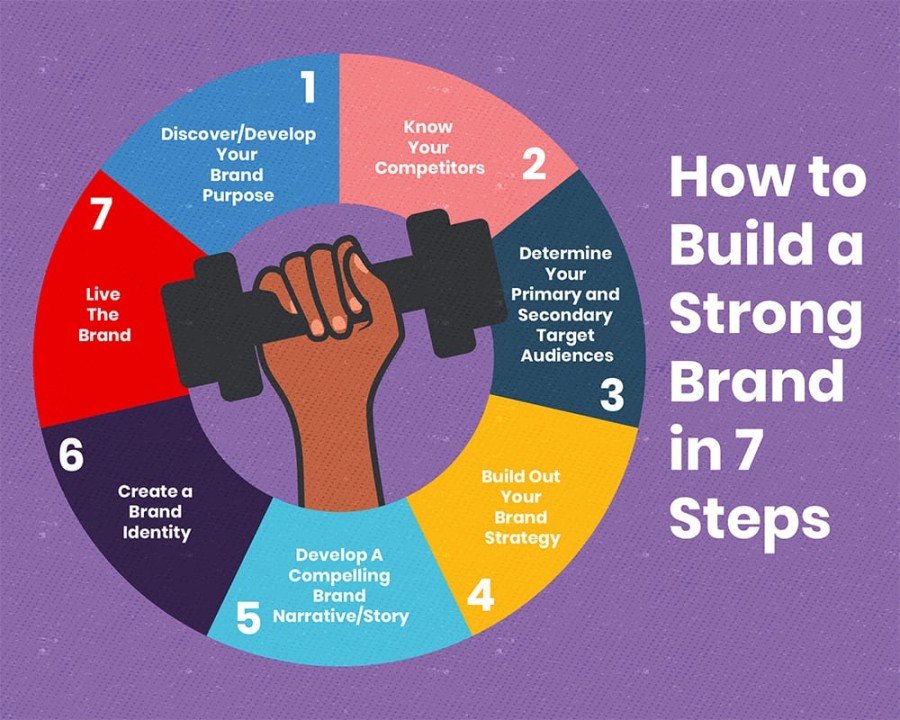
Build Your Brand Positioning Strategy in 7 Steps
Start by defining clear business objectives that align brand positioning strategies with revenue targets. Determine whether the goal is rapid growth, deeper loyalty, or entering new segments.
Next conduct deep audience and competitor research. Interview buyers to uncover pain points and analyze how rivals position themselves. Map gaps where your brand can own a unique space.
Identify and validate differentiators. List process strengths, proprietary tools, or customer outcomes supported by testimonials and performance data. Retain only those backed by real proof.
Craft a concise positioning statement that names the target audience, core benefit, and reason to believe. Test it with internal teams and select customers for resonance.
Align teams across marketing, sales, and leadership. Train everyone on the new messaging so every touchpoint reinforces consistency and builds trust.
Activate the position through content-led growth positioning and integrated campaigns. Use stories and case studies that demonstrate value on the channels where your audience already engages.
Finally measure results with KPIs tied to inbound leads, pipeline contribution, and brand perception. Refine regularly as markets and buyer needs evolve.
These steps draw from proven B2B brand positioning case studies and deliver measurable category dominance when executed with discipline.
Advanced Tactics and Measurement to Drive Inbound Leads and Market Dominance
Advanced brand positioning strategies require precise integration of brand equity with demand generation efforts to unlock uncommon growth. Prophet research shows that brand strength significantly increases ROI when the two operate together rather than in separate silos with divided budgets and measurement frameworks. CMOs close this gap by establishing shared outcomes from the outset and building operating models that connect creative and media for both near-term conversion and long-term brand strength. Intent-based content and account-based marketing further sharpen positioning strategies for inbound leads. Identify prospects showing active buying signals and deliver tailored experiences that resonate with their specific challenges and goals. AI data-driven branding tactics accelerate personalization at scale while respecting privacy constraints that define the 2026 landscape. B2B brand positioning case studies consistently show that companies combining these methods with strong internal alignment see higher close rates and pipeline contribution. Real repositioning examples demonstrate clear ROI when brands move beyond generic claims to own a defensible space in the minds of buyers. Common mistakes include relying on vanity metrics or neglecting to align culture with external promises. Troubleshoot by implementing unified dashboards and quarterly perception surveys that surface misalignments early. Measurement frameworks should balance leading indicators such as engagement rates and content consumption with lagging metrics including customer acquisition cost and lifetime value. Review performance regularly to refine brand positioning strategies and sustain category dominance. When CMOs treat marketing as the growth engine 2026 and apply advanced brand positioning for CMOs with these brand building tactics for market dominance, inbound leads multiply and competitive advantage solidifies.
Sources
- https://prophet.com/thinking/cmo-guide
- https://evokad.com/marketing-essentials-cmo-should-know-2026
- https://www.kedraco.com/blogs/brand-positioning-strategy
- https://monday.com/blog/marketing/marketing-strategy
- https://maccelerator.la/en/blog/entrepreneurship/top-5-case-studies-on-brand-repositioning-for-growth
- https://www.columnfivemedia.com/great-b2b-marketing-case-studies
- https://teyluandpartners.com/post/best-brand-strategy-examples
- https://online.jwu.edu/blog/brand-positioning-how-to-stand-out
- https://pyrsonalize.com/blog/lead-generation-case-studies-5-success-stories-to-inspire-your-2026-strategy
- https://www.thebrandingjournal.com/category/case-studies