

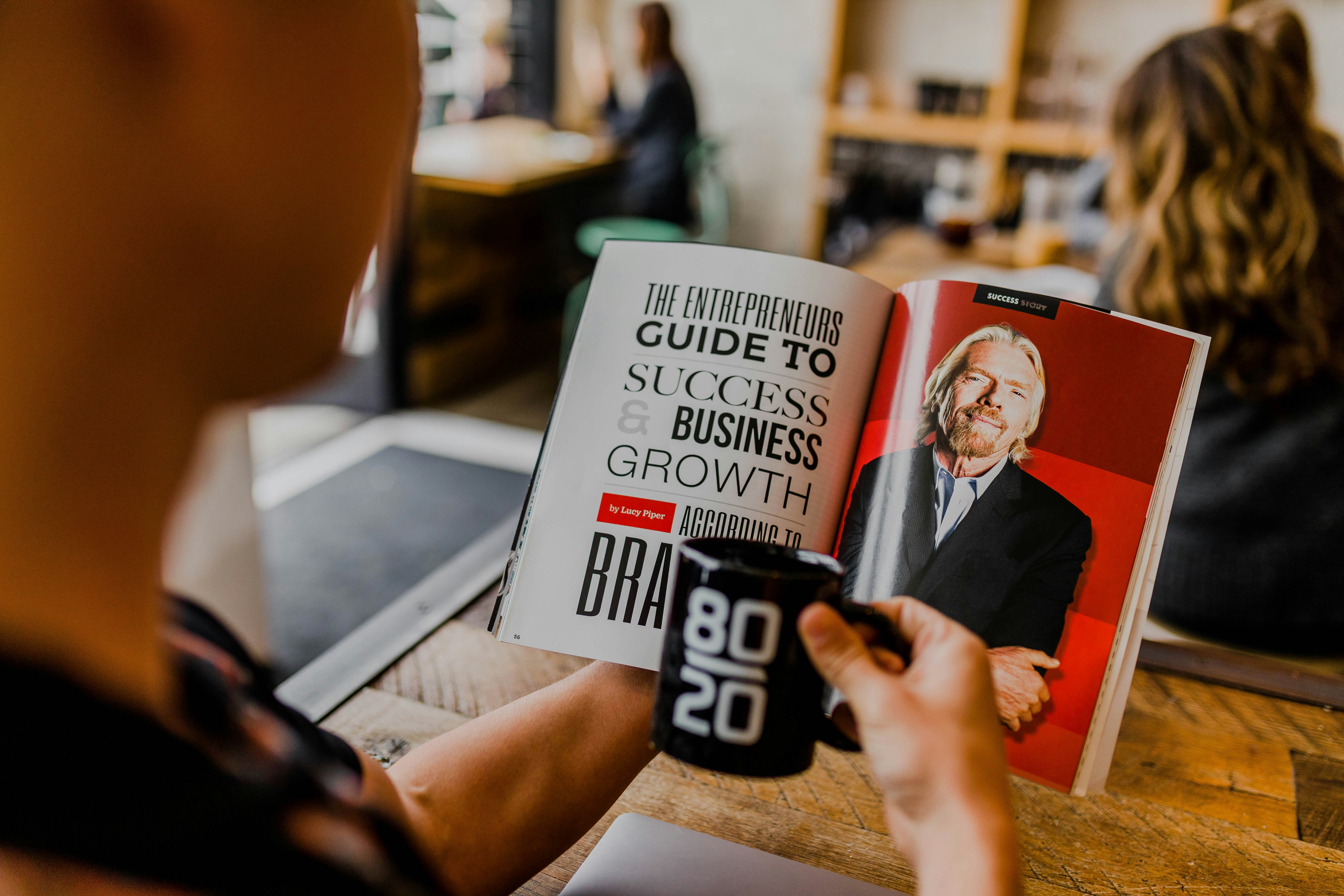
Why High Achievers Burn Out Despite Being Motivated


High achievers often push through fatigue because their motivation feels endless. Yet this leads to sudden crashes that halt progress. Many ambitious professionals face this paradox where drive coexists with exhaustion. A 2026 analysis reveals that high achievers are rethinking traditional growth paths to sidestep depletion entirely personal development insights.
Sustainable motivation for high achievers emerges when individuals protect their energy reserves instead of ignoring them. Without this protection, even strong goal orientation fails to deliver results. Psychological research points to unmet needs for autonomy and competence as key barriers that accelerate burnout.
Practical adjustments help reverse the trend. Aligning daily tasks with natural energy peaks improves output while lowering stress. Short mindfulness sessions during the day also restore mental clarity and prevent accumulation of tension. These steps form part of broader motivation strategies 2026 that prioritize consistency over intensity.
Resilience strategies for ambitious professionals include tracking personal signs of struggle such as persistent irritability or declining sleep quality. Early intervention through self-care routines sustains long-term performance. Data from workplace studies confirm that high performers who practice these habits maintain higher engagement levels recognizing struggle signs.
Sustainable motivation for high achievers further strengthens when actions connect directly to personal values rather than external expectations. This intrinsic alignment reduces the emotional drain associated with forced effort. Tools like regular progress reviews keep focus sharp without overwhelming the system benefits of motivation.
Productivity hacks to avoid burnout such as the two-minute rule for quick tasks and energy-based scheduling deliver immediate relief. They allow relentless goal-setters to advance steadily. Psychological tools for peak performance emphasize recovery periods as essential rather than optional.
By integrating these elements, professionals create a foundation that supports ongoing achievement. Preventing burnout in high performers becomes achievable through deliberate daily choices backed by evidence.
Quick Wins: 3 Productivity Hacks to Reclaim Focus Today
Three simple productivity hacks can quickly restore focus for ambitious professionals. First, implement time blocking by scheduling focused work periods of 60 to 90 minutes followed by short breaks. This method aligns tasks with energy levels and supports sustainable motivation for high achievers by preventing overload. Second, apply the two-minute rule to handle small tasks immediately if they take less than two minutes. This clears mental clutter and builds momentum without draining reserves. Third, align your schedule with natural energy rhythms by tackling demanding work during peak hours and lighter tasks later. These approaches form part of productivity hacks to avoid burnout that high performers use effectively.
Studies show that such prioritization and mindfulness techniques improve task management and resilience 10 productivity hacks. High achievers who adopt energy-based scheduling report sustained output without exhaustion productivity hacks.
Sustainable motivation for high achievers grows when these hacks become daily habits. They reduce decision fatigue and maintain consistent progress. Psychological tools for peak performance include tracking attention patterns to optimize daily flow. Incorporating these prevents common pitfalls like scattered focus that lead to burnout.
By starting with these quick wins, professionals experience immediate improvements in concentration. This foundation encourages longer-term resilience strategies for ambitious professionals. Motivation strategies 2026 emphasize practical consistency over intense bursts. Preventing burnout in high performers starts with protecting attention and energy each day.
Psychological Drivers of Lasting Motivation
Intrinsic motivation stems from internal satisfaction while extrinsic motivation relies on external rewards like recognition or pay. High achievers often start with extrinsic drivers but find them insufficient for longevity. Shifting focus to intrinsic factors builds resilience that protects against burnout. Autonomy allows professionals to direct their own paths, increasing ownership over outcomes. Competence develops through mastery experiences that boost confidence. Relatedness fosters connections that provide emotional support during demanding periods.
Sustainable motivation for high achievers depends on fulfilling these three psychological needs consistently. When autonomy is supported, individuals engage more deeply without feeling controlled. Competence comes from setting achievable challenges that match skill levels. Relatedness strengthens when teams value collaboration over competition alone. Research confirms these elements enhance goal attainment and intrinsic drive benefits of motivation.
Sustainable motivation for high achievers also draws from understanding barriers such as perfectionism or unclear values. Addressing them through reflection prevents motivation dips. Motivation strategies 2026 emphasize mental models that turn obstacles into growth opportunities 26 ideas.
Psychological tools for peak performance include regular assessment of these drivers. Resilience strategies for ambitious professionals integrate self-care to maintain balance. Preventing burnout in high performers requires ongoing attention to internal needs rather than external metrics alone. This approach ensures peak performance endures.
Sustainable motivation for high achievers grows stronger when professionals regularly evaluate their alignment with these drivers. This practice turns potential exhaustion into sustained energy. By prioritizing internal fulfillment, ambitious individuals achieve more with less strain.
Sources
- https://www.thedreamlifestore.com/blogs/news/personal-development-in-2026-why-so-many-high-achievers-are-rethinking-growth
- https://www.aib.edu.au/blog/productivity/2026-success-formula
- https://postanly.substack.com/p/26-ideas-for-2026-on-motivating-yourself
- https://positivepsychology.com/benefits-motivation
- https://lpsonline.sas.upenn.edu/features/psychology-motivation-what-drives-us-succeed
- https://www.any.do/blog/10-productivity-hacks-to-supercharge-your-task-management
- https://chrisbailey.com/100-time-energy-attention-hacks-will-make-productive
- https://jennakutcherblog.com/productivityhacks
- https://www.thewmhi.com/mental-health/avoiding-burnout-in-the-workplace
- https://www.webmdhealthservices.com/blog/how-to-recognize-signs-of-struggle-in-high-performing-employees