

The Inbound Lead Drought: Why CMOs Need Advanced Brand Positioning in 2026


Market saturation defines 2026. CMOs, agency owners, and growth marketers face indistinguishable brands, AI disruptions fragmenting buyer journeys, and stagnant inbound leads despite increased content output. Traditional tactics no longer cut through the noise.
The CMO Barometer 2026, surveying 805 global leaders, shows AI as the top priority for 68 percent, with brand building at 17 percent. Economic caution persists, with 30 percent anticipating budget cuts. This underscores the need for efficient strategies that deliver results.
Advanced brand positioning strategies 2026 offer the solution. They claim distinct mental space, creating emotional resonance and loyalty. Strong positioning can boost revenue by up to 20 percent through higher recall and repeat business.
Prophet’s CMO Guide stresses sharpened positioning for relevance, trust, and growth. When paired with data-informed insights, it turns marketing into a growth engine. CMO brand positioning 2026 now focuses on niche brand specialization and emotional brand resonance to overcome market barriers.
Crafting a clear brand positioning statement aligns internal teams and external messaging. Without advanced brand positioning strategies 2026, brands risk fading into irrelevance. With them, organizations secure market dominance strategies and consistent inbound lead generation branding.
The shift is clear: CMO priorities 2026 demand moving beyond generic approaches toward deliberate positioning that attracts the right buyers and compounds over time.
6 Proven Brand Positioning Types Driving Market Dominance
Advanced brand positioning strategies 2026 succeed by owning distinct mental space. Six proven types dominate, each with real-world proof for CMOs seeking market dominance strategies.
Niche brand specialization narrows focus for expertise. Vault Consulting positions as the nation’s leading accounting and research firm for nonprofits, commanding loyalty in targeted sectors. Hinge data shows niches yield top growth rates.
Industry/role-based positioning tailors to specific buyers. Sellers Dorsey owns leading Medicaid consultancy to health care providers, payors, and state governments, excelling via deep relevance.
Quality/service emphasis demands proof. Apple sustains premium status through design excellence and support, backed by testimonials and results.
Innovation/technology leadership claims the future. Tesla defines electric mobility, attracting innovators with cutting-edge promises.
Emotional brand resonance builds tribes. Nike’s empowerment narrative via Just Do It drives cultural resonance and repeat buys.
Cost-driven efficiency appeals to value seekers. Hinge leverages scale for affordability without quality loss.
Integrate these types with brand building tactics for inbound leads. CMO brand positioning 2026 pairs them with AI personalization to fuel inbound lead generation branding. Prophet’s CMO Guide urges sharpened positioning for trust and growth. Quick wins include auditing competitors for gaps and testing a brand positioning statement like FedEx’s overnight shipping ownership. These brand building tactics align with CMO priorities 2026, turning marketing into growth engines amid AI shifts.
7-Step Brand Positioning Framework to Activate Inbound Growth
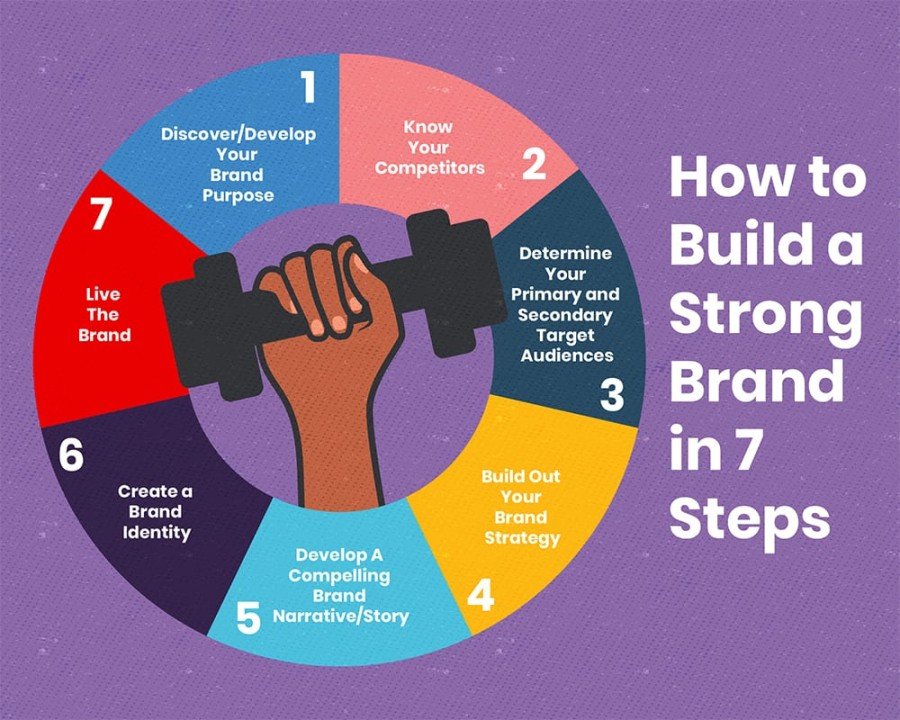
Advanced brand positioning strategies 2026 require structured execution to convert positioning into inbound leads. Follow this seven-step framework drawn from proven CMO practices.
Step 1: Define Objectives. Clarify vision, target audience, and success metrics tied to revenue growth. Align these with CMO priorities 2026 to ensure brand building tactics for inbound leads support business goals.
Step 2: Research Market and Competitors. Conduct customer interviews to uncover pain points. Map gaps using intent data for accurate buyer personas. This step reveals opportunities for niche brand specialization.
Step 3: Identify Differentiators. Validate unique strengths in expertise, processes, or results. Prioritize provable edges that set your brand apart from competitors.
Step 4: Craft Brand Positioning Statement. Use the template: For [audience], [brand] is the [category] that [benefit] because [reason]. Test examples internally to create resonance.
Step 5: Align Teams and Messaging. Train staff and update assets for consistency. This builds trust and supports emotional brand resonance across all touchpoints.
Step 6: Activate Across Touchpoints. Deploy stories and content that reinforce the position. Leverage omnichannel consistency to drive inbound lead generation branding.
Step 7: Measure and Refine. Track awareness, perception shifts, and lead quality through surveys and ROI tools. Adjust quarterly to sustain market dominance strategies.
Quick wins include competitor audits and testing statements like FedEx overnight ownership. Avoid common pitfalls such as skipping research or inconsistent execution. Companies following this framework see up to 20 percent revenue lift while securing consistent inbound results.
Sources
- https://rainmakersmagazine.com/why-cmos-need-advanced-brand-positioning-strategies-in-2026
- https://technologyaloha.com/brand-building-strategies-demystified
- https://www.greenbook.org/insights/grow-your-insights-business/why-brand-building-is-the-top-priority-for-cmos-in-2026
- https://prophet.com/thinking/cmo-guide
- https://www.gartner.com/en/articles/brand-strategy
- https://onadvertising.com/2026-guide-to-building-resilient-brand-strategy
- https://www.ccastrategicmedia.com/ultimate-guide-to-brand-messaging-strategy
- https://keomarketing.com/b2b-marketing-strategy-guide
- https://www.linkedin.com/pulse/what-2025s-marketing-priorities-reveal-road-2026-cmo-alliance-uzlue
- https://www.hubspot.com/marketing-statistics