

Why Advanced Brand Positioning Is Non-Negotiable for CMOs Seeking Market Dominance


CMOs today face markets flooded with interchangeable offerings that erode margins through price competition. Commoditization makes it hard to stand out, pushing leaders toward short-term tactics that fail to build lasting equity. Gartner reports position this challenge among top priorities for 2026 market leadership.
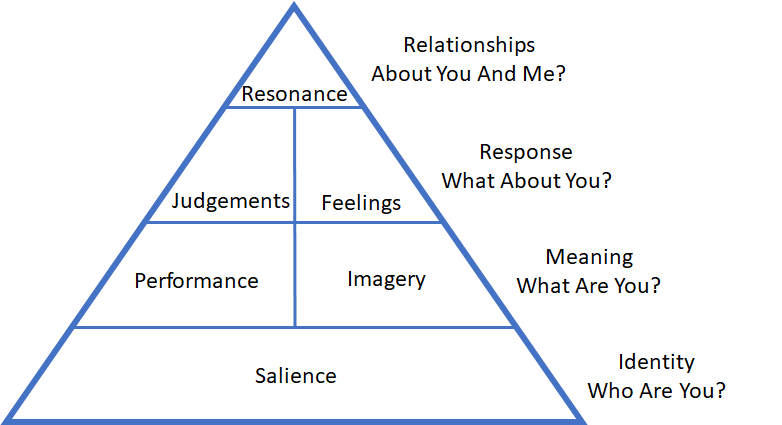
Advanced brand positioning strategies for CMOs cut through the noise by claiming a unique mental space. Audiences then view the brand as the clear choice rather than one of many. This shift moves focus from features to emotional resonance and proven value.
Results follow quickly. Brands with strong positioning achieve higher loyalty and revenue lifts reaching 20 percent in multiple studies. Agencies gain when they apply the same logic to clients.
Inbound leads through brand positioning arrive pre-qualified because messaging matches buyer aspirations exactly. Content and campaigns attract decision makers already convinced of the fit.
B2B cases prove the model. Niche specialists outperform generalists by highlighting specific gaps competitors ignore. Market dominance branding strategies create defensible advantages that endure beyond campaigns.
2026 CMO brand positioning trends add AI-driven insights and community layers without sacrificing authenticity. Data refines messages while internal alignment keeps delivery consistent across every touchpoint.
CMOs who invest here secure not only visibility but category ownership that compounds over time.
Brand Positioning Case Studies Delivering Measurable Inbound Growth
Real B2B examples demonstrate how advanced brand positioning strategies for CMOs translate differentiation into pipeline. Vault Consulting claimed the position of the nation’s leading accounting and research firm for nonprofits. The narrow specialization created immediate trust, drawing founders and executives actively seeking sector-specific expertise rather than general providers. Content around nonprofit compliance attracted decision makers already aligned with the offer.
Sellers Dorsey followed the same model by owning Medicaid consulting for healthcare providers and state agencies. Their hyper-focused statement reduced competition and increased inbound leads through brand positioning because prospects recognized the exact match to their challenges.
Another firm used competitive comparisons against HubSpot to highlight proprietary systems and long-term operational support. The gap analysis produced assets that converted at higher rates by promising sustainable scaling instead of short campaigns.
Nike’s emotional resonance tactic adapts to B2B when agencies help clients connect messaging to buyer aspirations. Brands that embed values in every touchpoint see prospects self-identify and enter the funnel pre-qualified.
2026 CMO brand positioning trends reinforce that authenticity and community amplify these outcomes. When positioning includes user forums and transparent proof, customers become advocates who generate referrals and organic traffic.
B2B brand positioning case studies consistently show that clear statements supported by evidence shorten sales cycles and compound inbound growth. Agencies applying brand differentiation tactics for agencies replicate the pattern by modeling the approach internally first.
Advanced 7-Step Positioning Framework and Pitfalls to Avoid
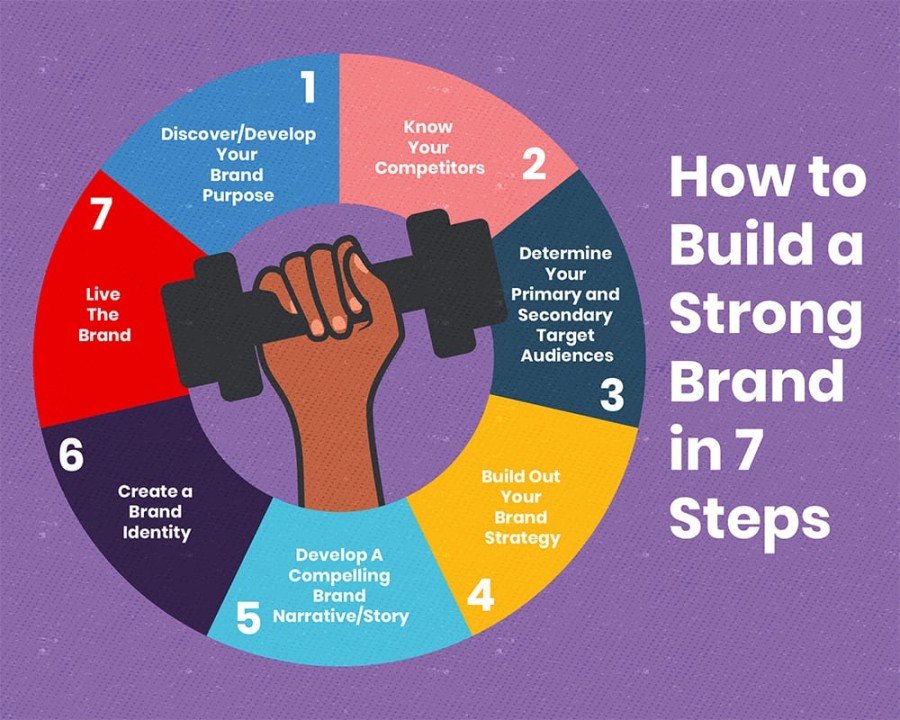
Advanced brand positioning strategies for CMOs start with clear objectives. Define long-term vision, target audience, and success metrics before any messaging work begins. Without this anchor, efforts drift and fail to support market dominance.
Conduct deep market and competitor research next. Interview customers, map pain points, and build comparison tables that reveal gaps. Data shows brands filling underserved needs grow faster than those chasing broad claims.
Identify and validate differentiators using real proof. List process advantages, certifications, and unique experiences. Test each against customer feedback to keep only what resonates and can be defended.
Craft a concise positioning statement that captures who you serve, what you deliver, and why it matters differently. Keep it repeatable across teams so every interaction reinforces the same idea.
Align internal teams through training and updated assets. When sales, marketing, and leadership echo one voice, credibility rises and messaging stays consistent.
Activate positioning across all channels with stories and case studies. Monitor sentiment and engagement to refine quickly when market conditions shift.
Measure results on brand recall, perception shifts, and inbound pipeline. Regular reviews keep the strategy agile.
Common pitfalls include overhyping sustainability without proof and forcing personalization that feels invasive. Both erode trust and reduce inbound leads through brand positioning. Another mistake is neglecting community building that turns customers into advocates.
2026 CMO brand positioning trends reward authentic execution over trends. Agencies applying these steps achieve differentiation that compounds into sustained growth.
B2B brand positioning case studies confirm that following the framework while avoiding pitfalls delivers the mental ownership needed for dominance.