


How to Improve Employee Retention: Hire Smart & Sustain


To improve employee retention, it is crucial to focus on effective hiring practices. By implementing strategies that attract and hire the right candidates, organizations can reduce turnover and create a more engaged workforce.
The Importance Of Employee Retention
Employee retention is crucial for the success of any business. A high turnover rate can have detrimental effects on both the financial stability and the overall morale of a company. To maintain a strong and dedicated workforce, it is essential to focus on effective hiring practices that contribute to long-term employee retention. Let’s explore the significance of employee retention and how it can be enhanced through strategic hiring methods.
Cost Implications Of High Turnover
High employee turnover can lead to significant financial ramifications for a company. The costs associated with recruiting, hiring, and training new employees can quickly add up, impacting the bottom line. Moreover, the loss of institutional knowledge and expertise further amplifies the expenses incurred due to frequent turnover. In addition, the investment in onboarding and integrating new employees can strain the company’s resources. These financial implications underscore the importance of implementing hiring strategies that prioritize long-term employee retention.
Impact On Team Morale And Productivity
Employee turnover doesn’t just affect the company’s finances; it also exerts a profound impact on team morale and productivity. High turnover rates can create an atmosphere of uncertainty and instability, leading to decreased morale among the remaining employees. This, in turn, can hinder collaboration and diminish the overall productivity of the team. Furthermore, the constant cycle of hiring and training new staff members can disrupt workflow and impede the achievement of organizational goals. By prioritizing employee retention through effective hiring, companies can foster a positive work environment and bolster team productivity.

Credit: businessleadershiptoday.com
Recognizing The Signs Of Discontent
Identifying signs of discontent is crucial to improving employee retention through effective hiring. By recognizing these signs, employers can make necessary changes to create a positive work environment and retain valuable employees.
Recognizing the Signs of Discontent
Employee Feedback and Exit Interviews
When it comes to recognizing signs of discontent among employees, seeking their feedback and conducting exit interviews can be invaluable. These methods provide direct insight into the issues that may be causing dissatisfaction within the organization. By actively soliciting feedback from employees, companies can identify areas for improvement and take proactive measures to address concerns.
Performance Metrics as Indicators
Performance metrics serve as indicators of employee satisfaction and engagement. High turnover rates, increased absenteeism, and declining productivity can all signal underlying issues that need to be addressed. Monitoring these metrics can help employers identify patterns and trends, allowing for early intervention to prevent further discontent.
In addition to employee feedback and exit interviews, tracking performance metrics such as turnover rates, absenteeism, and productivity can provide valuable insights into employee satisfaction and engagement. By recognizing the signs of discontent early on, organizations can take proactive steps to improve employee retention and create a more positive work environment.
Hiring With Retention In Mind
Enhance employee retention by prioritizing it during the hiring process. Identify candidates who align with company values and culture. Focus on long-term fit to reduce turnover and create a stable, motivated workforce.
When it comes to improving employee retention, one of the key strategies is to hire with retention in mind. It’s important to not only focus on finding candidates with the right skills but also those who are a good cultural fit for your company. Additionally, the role of onboarding plays a crucial role in ensuring the longevity of your employees. Let’s explore these two aspects in more detail:
Skills And Cultural Fit
When hiring with retention in mind, it’s vital to consider both the skills and the cultural fit of the candidates. While skills are important to ensure that the employee can perform their job effectively, cultural fit determines how well they will integrate into the company’s values and work environment.
During the hiring process, take the time to assess not only the candidate’s technical abilities, but also their compatibility with the company’s values, mission, and team dynamics. Look for candidates who align with your company culture and demonstrate the potential to thrive in your work environment. This will contribute to a better fit and increase the likelihood of long-term employee retention.
The Role Of Onboarding In Longevity
Onboarding plays a vital role in the longevity of your employees. It sets the foundation for their success and integration into the company. A well-structured onboarding process ensures that new hires feel welcome, supported, and equipped to navigate their roles effectively.
During onboarding, provide new employees with a comprehensive introduction to the company’s culture, values, and expectations. This can include orientation sessions, mentorship programs, and opportunities to connect with colleagues. By investing in their onboarding experience, you create a positive first impression and foster a sense of belonging, which ultimately leads to increased employee satisfaction and retention.
Furthermore, onboarding should extend beyond the initial few days or weeks. Implement ongoing training and development programs to support employees in their growth and career progression. This demonstrates that you value their professional development and are invested in their long-term success within the company.
In conclusion, hiring with retention in mind involves considering both the skills and cultural fit of candidates, as well as implementing a comprehensive onboarding process. By prioritizing these aspects, you can increase employee satisfaction and longevity, resulting in a more stable and productive workforce.
Fostering A Positive Work Environment
Fostering a Positive Work Environment is crucial for improving employee retention. By creating an atmosphere that promotes well-being, work-life balance, and recognition, you can establish a workplace where employees feel valued and motivated to stay. Let’s explore two key aspects of fostering a positive work environment: Work-Life Balance Initiatives and Creating a Culture of Recognition.
Work-life Balance Initiatives
Implementing work-life balance initiatives is essential to help employees maintain a healthy equilibrium between their personal and professional lives. Here are some initiatives you can introduce:
- Flexible work hours: Allowing employees to have flexible start and end times can accommodate their personal commitments and reduce stress.
- Remote work options: Providing the opportunity for employees to work remotely, even on a part-time basis, can enhance work-life balance and increase job satisfaction.
- Wellness programs: Introducing wellness programs, such as yoga classes, mindfulness sessions, or gym memberships, can promote physical and mental well-being.
- Family-friendly policies: Offering benefits like parental leave, childcare support, or the option to work from home when needed, demonstrates your commitment to supporting employees with families.
Creating A Culture Of Recognition
A culture of recognition can significantly impact employee retention. When employees feel appreciated and valued for their contributions, they are more likely to stay with an organization. Here are some strategies to foster a culture of recognition:
- Regular feedback: Providing constructive feedback and recognition on a regular basis helps employees understand their strengths and areas for improvement.
- Employee appreciation programs: Establishing programs that recognize and reward outstanding performance, such as employee of the month or annual awards, can boost morale and motivation.
- Peer-to-peer recognition: Encouraging employees to acknowledge and appreciate their colleagues’ efforts fosters a positive team environment and strengthens relationships.
- Public recognition: Celebrating achievements in team meetings, company newsletters, or social media platforms can showcase the value placed on employee contributions.
By implementing work-life balance initiatives and creating a culture of recognition, you can foster a positive work environment that enhances employee retention. Prioritizing the well-being and recognition of your employees will not only increase job satisfaction but also contribute to a more engaged and motivated workforce.
Career Development Opportunities
Providing career development opportunities to employees is a crucial factor in improving employee retention. When employees feel that they have the opportunity to learn and grow within a company, they are more likely to stay and contribute to the success of the organization. There are several ways that employers can offer career development opportunities to their employees, including training and education benefits and promotion from within.
Training And Education Benefits
Offering training and education benefits is an effective way to show employees that their personal and professional growth is important to the company. This can include providing access to online courses, workshops, and conferences related to their job function or industry. Employers can also offer tuition reimbursement for employees who want to pursue a degree or certification program.
By investing in their employees’ development, employers not only improve employee retention but also enhance the skills and knowledge of their workforce. This can lead to increased productivity, better decision-making, and improved customer satisfaction.
Promotion From Within
Another way to provide career development opportunities is by promoting from within the company. When employees see that there is a clear path for advancement, they are more likely to stay and work towards their career goals. Employers can establish a formal career development program that outlines the qualifications and skills needed for each level of promotion.
By promoting from within, employers also benefit from having employees who are already familiar with the company’s culture, values, and processes. This can lead to a smoother transition and reduced training costs for the employer.
Providing career development opportunities is a win-win situation for both employees and employers. Employees feel valued and motivated to contribute to the company’s success, while employers benefit from having a skilled and loyal workforce. By offering training and education benefits and promoting from within, employers can improve employee retention and build a strong and sustainable organization.
Credit: smallbusiness.patriotsoftware.com
Competitive Compensation Packages
Improve employee retention through effective hiring by offering competitive compensation packages that attract and retain top talent. These packages should include a combination of competitive salaries, comprehensive benefits, and performance-based incentives. By providing employees with a rewarding and competitive compensation package, companies can increase employee satisfaction and reduce turnover rates.
Benchmarking Against Industry Standards
When it comes to employee retention, offering a competitive compensation package is crucial. But how do you know if your compensation package is competitive? One way is to benchmark against industry standards. Research what other companies in your industry and geographic area are offering for similar positions. This will give you a better idea of what salary range to offer, as well as what benefits and perks are standard.
Benefits Beyond The Salary
While salary is important, it’s not the only factor that affects employee retention. Many employees also value benefits and perks that go beyond their paycheck. These can include healthcare, retirement plans, paid time off, flexible schedules, and more. When crafting your compensation package, consider offering a range of benefits that appeal to different employees’ needs and preferences. This can help you attract and retain a diverse and talented workforce.
Code Example
| Benefits | Description |
|---|---|
| Healthcare | Comprehensive medical, dental, and vision coverage |
| Retirement Plans | 401(k) matching or other retirement savings options |
| Paid Time Off | Vacation, sick leave, and holidays |
| Flexible Schedules | Ability to work from home, adjust work hours, or take time off as needed |
Engagement And Communication Strategies
Improve employee retention by implementing effective hiring strategies that focus on engagement and communication. By ensuring clear and transparent communication throughout the hiring process, employees are more likely to feel valued and motivated to stay with the company long-term.
Engaging employees and fostering effective communication is crucial for improving employee retention. By implementing the right strategies, employers can create a positive work environment that encourages loyalty and satisfaction among their workforce. Two key strategies that can significantly enhance engagement and communication are regular check-ins and open forums, as well as leveraging technology to enhance connectivity.
Regular Check-ins And Open Forums
Regular check-ins and open forums provide employees with opportunities to express their thoughts, concerns, and ideas, fostering a sense of belonging and inclusion within the organization. These strategies help in building strong relationships between employees and their supervisors, leading to increased job satisfaction and loyalty.
To implement regular check-ins effectively, employers can schedule one-on-one meetings with employees on a monthly or quarterly basis. These meetings serve as an avenue for discussing performance, addressing any challenges, and providing feedback. Additionally, open forums, such as team meetings or town halls, allow for broader discussions and encourage participation from all employees.
Using Technology To Enhance Connectivity
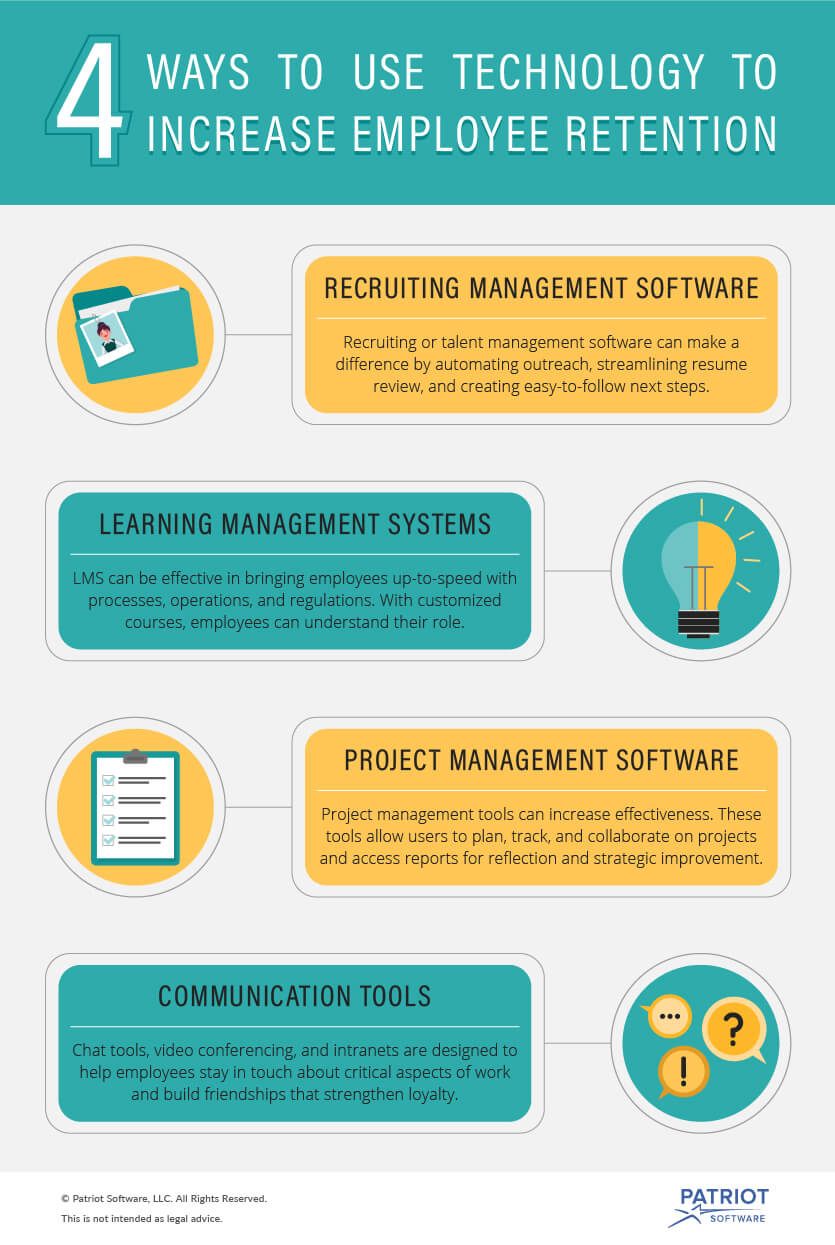
Technology plays a vital role in improving communication and connectivity within an organization. By leveraging various tools and platforms, employers can facilitate seamless communication and collaboration among employees, regardless of their location or department.
One effective way to enhance connectivity is by utilizing project management and communication tools, such as Slack or Microsoft Teams. These platforms enable real-time messaging, file sharing, and collaboration, promoting efficient and effective communication between team members. Additionally, video conferencing tools, like Zoom or Google Meet, can be used for virtual meetings, fostering face-to-face interactions even when employees are working remotely.
Furthermore, employers can leverage intranet portals or company-wide newsletters to share important updates, news, and announcements. These platforms ensure that employees stay informed about organizational changes and feel connected to the company’s mission and values.
In conclusion, implementing engagement and communication strategies, such as regular check-ins and open forums, as well as leveraging technology to enhance connectivity, can significantly improve employee retention. By prioritizing effective communication and creating a sense of belonging, employers can foster a positive work environment that encourages employee loyalty and satisfaction.

Credit: astronsolutions.net
Measuring Retention Success
To measure retention success, focus on improving employee retention through effective hiring. Implement strategies such as thorough candidate assessments, cultural fit evaluations, and clear job expectations to ensure the right people are brought on board. Regularly reviewing turnover rates and conducting exit interviews can also provide valuable insights for enhancing the hiring process.
Key Performance Indicators (kpis)
Key Performance Indicators (KPIs) are essential metrics that can help organizations measure their success in improving employee retention. These indicators provide valuable insights into the effectiveness of your hiring strategies and help you identify areas for improvement. By tracking specific KPIs related to retention, you can make data-driven decisions and take proactive steps to enhance your employee retention rates.
Some key KPIs that you can consider for measuring retention success include:
- Turnover Rate: This metric calculates the percentage of employees who leave the company within a specific time period. A high turnover rate indicates potential issues with hiring or employee satisfaction.
- Tenure: Tracking the average length of time employees stay with the company can give you an idea of how well your hiring and retention efforts are working.
- Internal Promotions: Monitoring the number of employees who are promoted internally showcases your organization’s commitment to career growth and development, which can positively impact retention.
- Employee Satisfaction: Measuring employee satisfaction through surveys or feedback can provide valuable insights into their overall engagement and happiness within the company.
Surveys And Feedback Loops
Surveys and feedback loops are effective tools for gathering valuable insights from your employees and measuring their satisfaction levels. By regularly conducting surveys and implementing feedback loops, you can gather feedback on various aspects of the work environment, including hiring processes, onboarding experiences, career growth opportunities, and overall job satisfaction. This data can help you identify areas for improvement and make informed decisions to enhance employee retention.
Consider implementing the following strategies to make the most out of surveys and feedback loops:
- Regular Surveys: Conduct regular surveys to gather feedback from employees at different stages of their employment journey, such as during onboarding, after specific milestones, or annually. This helps you track changes in satisfaction levels over time.
- Confidentiality and Anonymity: Ensure that surveys and feedback loops are anonymous and confidential to encourage honest and open responses from your employees.
- Act on Feedback: Actively listen to the feedback received and take appropriate action based on the insights gathered. Communicate the actions taken to address any concerns or suggestions, showing your commitment to improving the work environment.
- Continuous Improvement: Use the feedback received to continuously improve your hiring and retention strategies. Regularly evaluate the effectiveness of the changes implemented and make necessary adjustments to enhance employee satisfaction and retention.
By implementing these measurement strategies, you can gain valuable insights into your employee retention efforts and make data-driven decisions to improve retention rates. Regularly monitoring KPIs, conducting surveys, and incorporating feedback loops will help you create a positive work environment that fosters employee loyalty and engagement.
The Role Of Leadership In Retention
Leadership Training And Development
Effective leadership is crucial in retaining employees. Investing in leadership training and development can equip managers with the skills to support and motivate their teams. By providing training on communication, conflict resolution, and team building, leaders can create a positive work environment that encourages employee loyalty and engagement.
Leading By Example
Leaders play a pivotal role in setting the tone for the entire organization. By leading by example, demonstrating a strong work ethic, and upholding company values, leaders can inspire their teams to do the same. When employees see their leaders embodying the qualities and behaviors the company values, they are more likely to feel connected to the organization and remain committed to their roles.
Adapting To Changing Employee Expectations
Frequently Asked Questions
How Can You Effectively Use Sourcing To Improve Retention Rates?
Effective sourcing can improve retention rates by identifying and attracting top talent, promoting a positive employer brand, implementing a comprehensive onboarding process, providing ongoing training and development opportunities, and offering competitive compensation and benefits packages. By prioritizing these factors, companies can increase employee satisfaction and reduce turnover.
How Can Employee Retention Be Improved?
Employee retention can be improved through competitive salaries, career development opportunities, a positive work environment, and recognition programs. Regular feedback and open communication also play a key role in retaining employees.
How Can Recruitment And Retention Be Improved?
Recruitment and retention can be improved through competitive salaries, clear career paths, supportive management, and a positive work culture. Implementing flexible work arrangements and offering professional development opportunities also help in boosting employee satisfaction and loyalty.
How To Recruit And Retain Good Employees?
To recruit and retain good employees, implement a strong recruitment process including thorough screening and interviewing. Offer competitive salaries and benefits, provide opportunities for growth and development, create a positive work environment, and foster open communication. Regularly recognize and reward employees’ contributions to boost morale and loyalty.
Conclusion
Effective hiring is crucial for improving employee retention. By focusing on cultural fit, providing growth opportunities, and offering competitive benefits, companies can attract and retain top talent. Prioritizing a positive candidate experience and implementing feedback loops will further enhance the hiring process, ultimately contributing to a more stable and satisfied workforce.