

Why Top Talent Is Slipping Away From Revenue Teams


Founders and sales directors face a growing crisis as top performers exit revenue teams faster than replacements can be found. Outdated hiring practices accelerate the loss, leaving organizations struggling to maintain pipeline momentum and quota attainment.
Many companies still rely on reactive posting instead of proactive methods for recruiting top sales talent. This approach misses passive candidates who represent the majority of high-caliber professionals.
Compensation misalignment compounds the problem. When packages ignore shifting priorities like profitability incentives, even strong performers seek roles with better alignment to 2026 sales compensation trends.
Sales culture also plays a decisive role. Teams lacking collaboration and buyer-aligned processes fail to retain ambitious talent, according to transformation research.
Agency operators encounter additional friction. Legacy SDR team frameworks create bottlenecks that frustrate reps focused on efficient pipeline systems.
The outcome is predictable: repeated vacancies, longer ramp times, and declining team performance. Leaders who continue with fragmented processes will keep losing ground.
A repeatable system for recruiting top sales talent, paired with competitive compensation plans and intentional culture building, directly addresses these leaks. Without it, revenue teams remain in constant rebuild mode rather than scaling results.
Sales Compensation Trends and Pay Mix Strategies for 2026
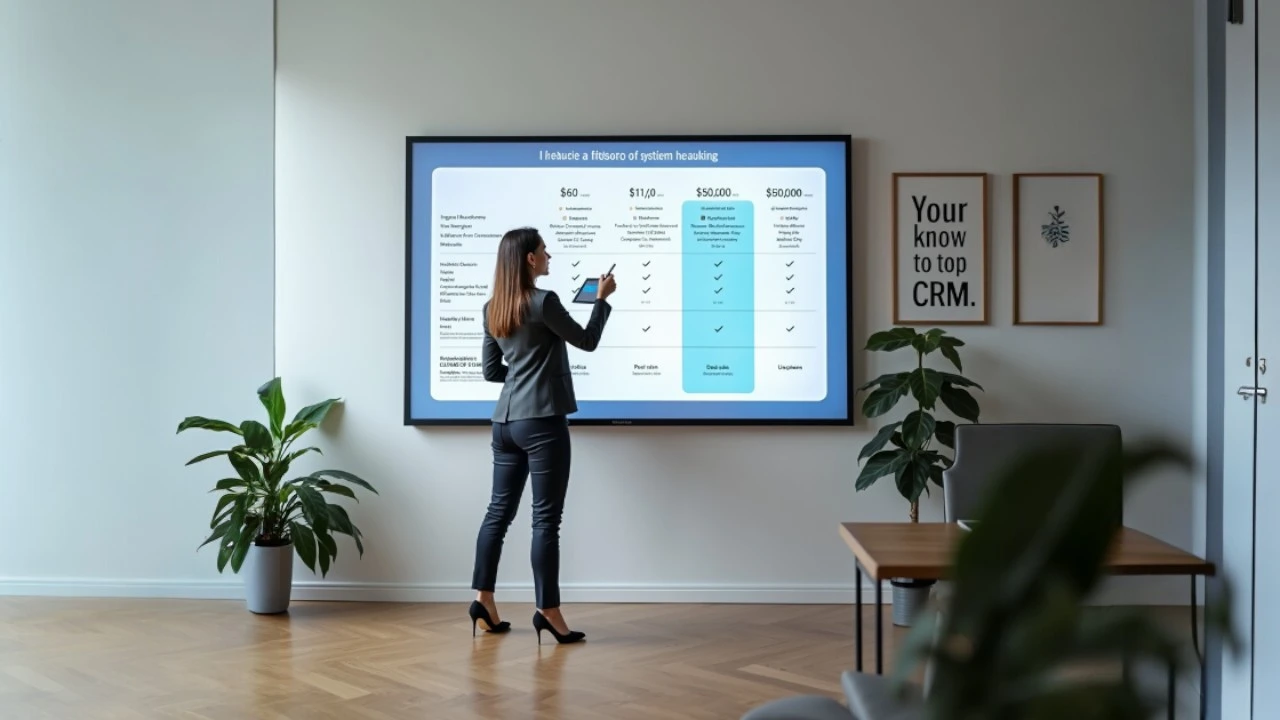
Sales compensation trends 2026 emphasize efficiency incentives over pure volume targets. Founders and directors who adopt these shifts see faster quota attainment and stronger retention among high performers. Personalizing OTE based on role and territory data creates packages that attract recruiting top sales talent more effectively than generic structures.
Role-specific pay mixes are central to competitive compensation plans. Account executives often move toward 50/50 or 60/40 splits with accelerators tied to profitability. SDR roles benefit from balanced base and variable components that support consistent pipeline generation without burnout.
2026 sales OTE benchmarks show median targets rising modestly while variable portions grow to reward efficiency. Teams aligning pay with buyer outcomes report higher collaboration and reduced turnover. This approach supports building high performance sales teams by making compensation a retention tool rather than just a cost center.
Founders should audit current plans against these benchmarks quarterly. Adjusting for retention incentives helps prevent top talent from leaving for better-aligned opportunities. Passive candidate sourcing improves when prospects see transparent, forward-looking compensation during early conversations.
Agency operators gain an edge by tying SDR team frameworks to measurable efficiency metrics within pay structures. This creates clear career paths that appeal to ambitious reps focused on long-term growth.
Implementing these changes requires cross-functional input from finance and sales leadership. The result is a system where compensation directly fuels revenue growth and team stability. Leaders who ignore sales compensation trends 2026 risk falling behind in the race for recruiting top sales talent.
High-Signal Sourcing and Interview Systems That Actually Work
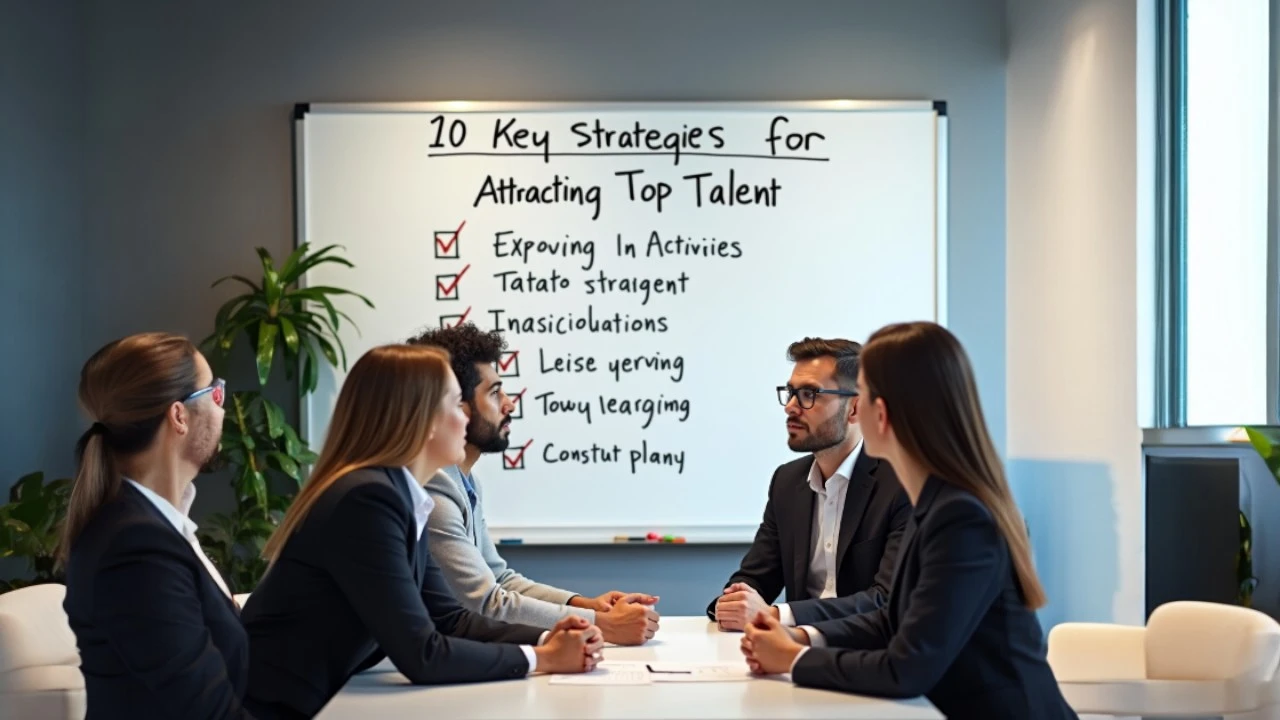
Proactive passive candidate sourcing forms the foundation for recruiting top sales talent. Leaders should leverage specialized recruiters listed in industry resources and targeted outreach on professional networks rather than job boards alone. This method reaches candidates already performing at high levels in competitor organizations. Incorporate data from specialized sales recruiting firms to identify manufacturing and B2B candidates quickly.
Structured interview systems rely on competency matrices tailored to revenue roles. Define specific behaviors for each position, such as pipeline management and stakeholder navigation. Score candidates consistently across multiple interviewers to reduce bias and improve hiring accuracy. Combine this with sales culture strategies that highlight team collaboration during the evaluation process.
Agency operators benefit from adapting SDR team frameworks into sourcing pipelines. Create referral programs that incentivize current reps to identify peers, accelerating the flow of qualified prospects. These tactics integrate well with building high performance sales teams by ensuring early alignment on expectations.
Sales culture strategies that emphasize collaboration and buyer alignment help during interviews. Candidates evaluate the team as much as the role, so demonstrate these values through the process itself. Transparent discussions about competitive compensation plans and 2026 sales OTE benchmarks further differentiate the opportunity.
Building high performance sales teams starts with disciplined sourcing and selection loops. Test for cultural fit alongside skills to ensure long-term retention. Leaders who implement these systems see reduced time-to-hire and higher success rates in recruiting top sales talent. Use 2026 strategic guides to refine approaches continuously. Align sourcing with buyer needs for better cultural fit from the start.