

How Leadership & Growth Is Shaping the Future of Business — Expert Insights
Leadership and strategic growth are redefining business success by driving innovation, agility, and sustainable development. Companies that invest in
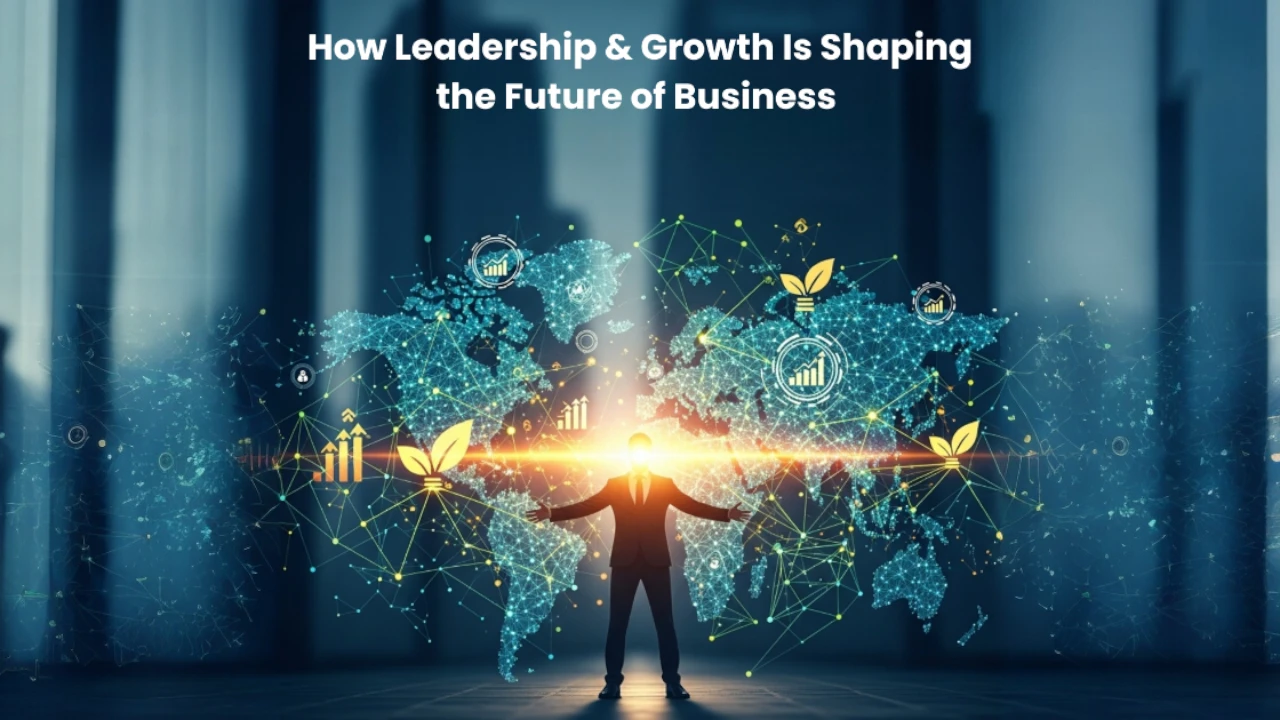
Leadership and strategic growth are redefining business success by driving innovation, agility, and sustainable development. Companies that invest in visionary leadership, employee empowerment, and adaptive growth strategies are shaping industries of the future, fostering competitive advantage, and creating lasting value in an ever-evolving global marketplace.
Understanding Leadership in Modern Business
Effective leadership is no longer about command-and-control. Modern leaders emphasize:
- Empowering teams
- Driving innovation
- Encouraging collaboration
- Focusing on strategic growth
The shift from hierarchical management to transformational and adaptive leadership is reshaping how businesses operate and scale.
How Leadership Drives Growth
1. Visionary Leadership
Future-ready leaders articulate a clear vision and guide organizations through uncertainty. This inspires employees and fosters a culture of innovation.
2. Employee Empowerment
Empowering teams to make decisions and contribute ideas increases engagement, productivity, and long-term growth.
3. Agility & Adaptability
Businesses led by agile leaders respond quickly to market changes, technological disruption, and competitive pressures.
4. Data-Informed Decisions
Leaders leverage analytics, KPIs, and market insights to guide strategy and identify growth opportunities.
Growth Strategies Shaping the Future of Business
1. Innovation & Technology Adoption
Companies investing in digital transformation, AI, and automation gain a competitive edge by improving efficiency and expanding offerings.
2. Customer-Centric Growth
Future businesses focus on understanding customer needs, delivering personalized experiences, and cultivating loyalty.
3. Sustainable & Ethical Practices
Growth strategies now emphasize sustainability, ESG (Environmental, Social, Governance) standards, and ethical decision-making.
4. Global Market Expansion
Businesses are leveraging remote teams, e-commerce, and cross-border partnerships to access new markets and diversify revenue.
5. Continuous Learning & Upskilling
Companies prioritize training programs, leadership development, and skill-building to maintain a competitive workforce.
The Role of Leadership in Shaping Business Culture
- Innovation Culture – Leaders encourage experimentation and creativity.
- Collaboration & Teamwork – Inclusive leadership enhances problem-solving.
- Accountability & Transparency – Open communication builds trust internally and externally.
- Adaptation & Resilience – Leadership ensures the organization can thrive amid disruption.
Strong leadership influences employee engagement, productivity, and long-term business success.
Practical Tips for Business Leaders
- Define a clear vision and communicate it consistently.
- Empower teams with autonomy and decision-making authority.
- Invest in technology to streamline processes and gain insights.
- Embrace data analytics for strategic growth decisions.
- Prioritize employee development with continuous training and mentorship.
- Foster a culture of innovation and accountability.
- Adopt sustainable practices to future-proof your business.
- Stay adaptable to market shifts and global trends.
Internal Link Suggestions
- “Top Leadership Strategies for Modern Businesses”
- “How Digital Transformation Drives Business Growth”
- “Employee Empowerment Techniques for Better Productivity”
External Authority Sources (E-E-A-T)
- Harvard Business Review – The Role of Leadership in Growth
- McKinsey & Company – Strategies for Sustainable Business Expansion
- Forbes – Leadership Trends Shaping Modern Companies
FAQs About Leadership & Growth
1. How does leadership influence business growth?
Effective leadership drives vision, innovation, team engagement, and strategic decisions, all of which accelerate growth.
2. What qualities make a future-ready leader?
Vision, adaptability, empathy, strategic thinking, and decision-making based on data and insights.
3. How can businesses stay competitive in a fast-changing market?
By adopting agile strategies, investing in technology, prioritizing employee development, and fostering innovation.
4. Why is employee empowerment critical for growth?
Empowered employees are more engaged, productive, and motivated to contribute to organizational success.
5. How do sustainability practices impact business growth?
Sustainable and ethical practices attract customers, investors, and talent, ensuring long-term resilience and market advantage.
Conclusion
Leadership and growth are the twin pillars shaping the future of business. Visionary leaders who empower teams, embrace innovation, and focus on strategic, sustainable growth are creating organizations that thrive in uncertainty and disruption.
Businesses that prioritize leadership development, adaptability, and a culture of innovation will not only survive but lead industries into the future.