


Branding for Growth: How to Build a Powerful and Scalable Brand
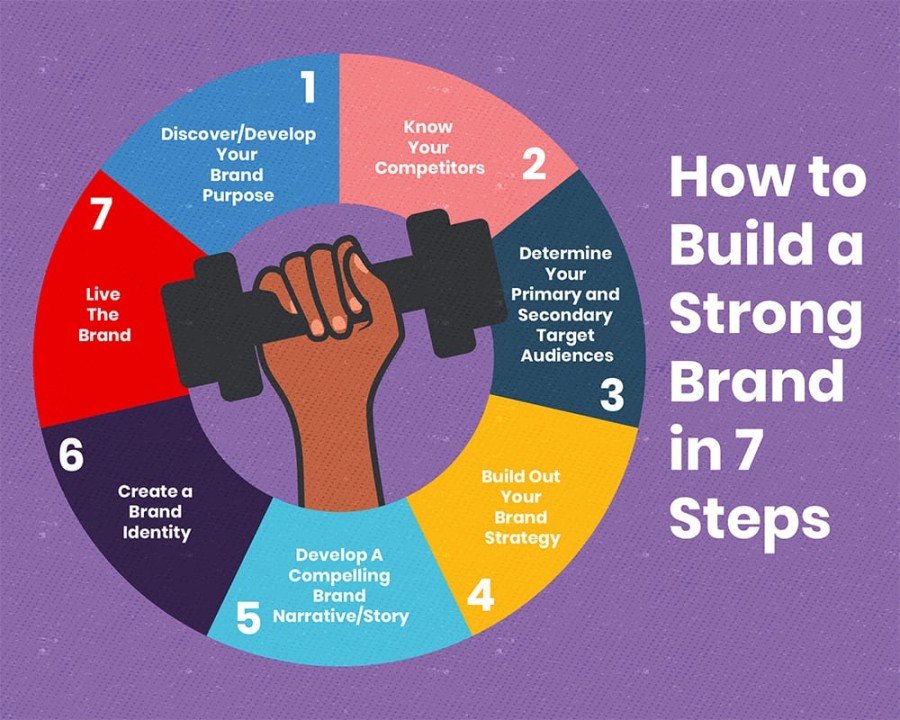
To build a powerful and scalable brand, focus on clarity, consistency, and customer connection. A strong brand goes beyond
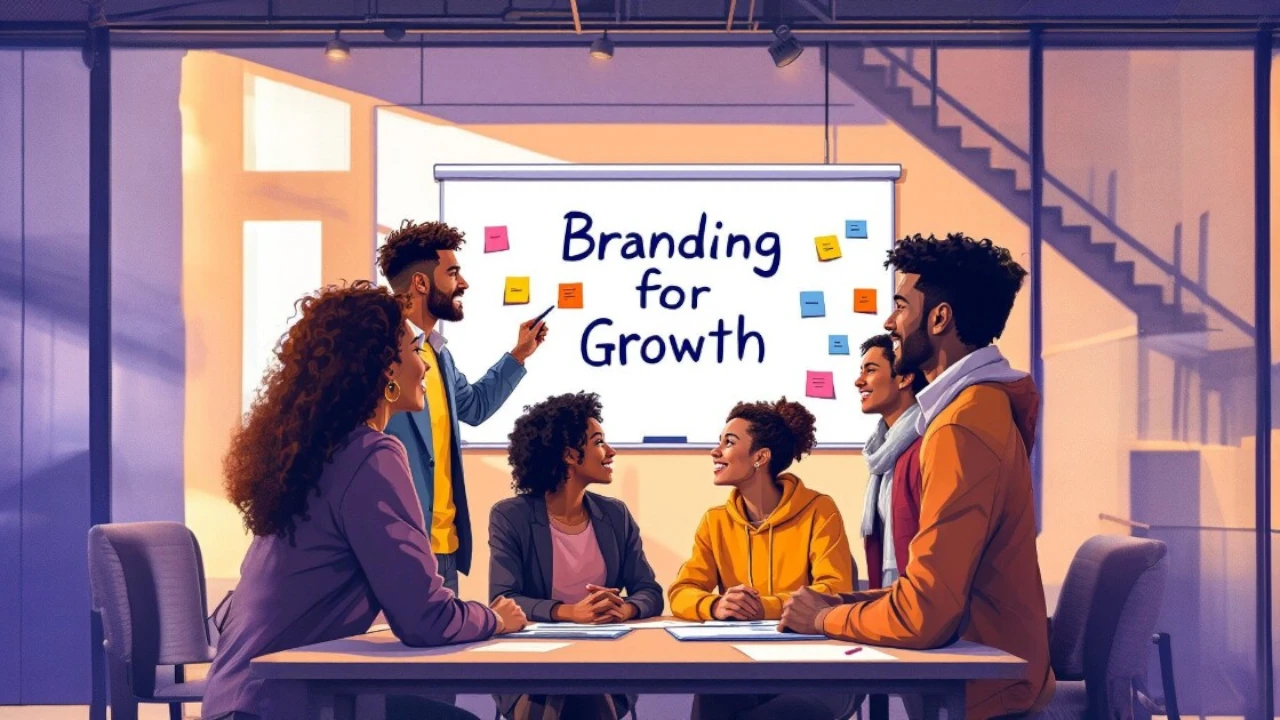
To build a powerful and scalable brand, focus on clarity, consistency, and customer connection. A strong brand goes beyond logos—it creates trust, drives loyalty, and fuels business growth. With the right strategy, you can scale your brand into a market leader that lasts.
Why Branding Is the Engine of Business Growth
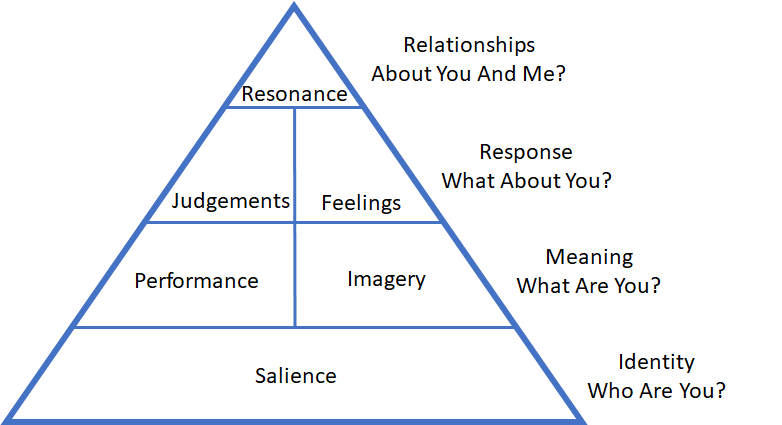
Branding is more than design—it’s the identity, reputation, and emotional connection that sets you apart. A powerful brand doesn’t just attract customers—it inspires loyalty, allows for premium pricing, and provides a foundation for scalability.
When done right, branding becomes your business’s greatest growth asset.
Understanding the Core of a Scalable Brand
A scalable brand is one that can grow across markets, channels, and product lines without losing its essence. To achieve this, you need:
- Clear positioning: Knowing who you are and what you stand for.
- Consistent messaging: Delivering a unified voice across platforms.
- Adaptability: Evolving with trends without losing core identity.
- Strong customer relationships: Building trust at every touchpoint.
This balance of clarity + flexibility ensures your brand can expand without confusion.
Defining Your Brand Purpose and Vision
Every scalable brand starts with a compelling purpose. Ask yourself:
- Why does your brand exist beyond making money?
- What transformation do you bring to your customers?
- What long-term impact do you want to create?
For example, Nike doesn’t just sell shoes—it empowers athletes worldwide. Purpose-driven brands grow faster because they inspire both customers and employees.
Crafting a Unique Value Proposition (UVP)
Your unique value proposition communicates why customers should choose you over competitors. It should be:
- Clear: No jargon, just straightforward benefits.
- Unique: Show how you’re different.
- Customer-focused: Speak to their pain points and desires.
Example: Slack’s UVP—“Be less busy”—captures the essence of its value in just three words.
Building a Visual Identity That Resonates
While branding is more than design, visual identity is its most visible layer. To scale successfully:
- Create a memorable logo that’s simple and timeless.
- Use a consistent color palette and typography across platforms.
- Develop a brand style guide to maintain uniformity as you grow.
Consistency in design builds recognition, while professionalism builds trust.
Establishing Brand Voice and Messaging
Your brand voice is how you communicate with your audience. Whether it’s playful, authoritative, or inspirational, consistency is key.
Tips for developing voice:
- Define tone guidelines for social media, website, and ads.
- Create taglines and slogans that encapsulate your mission.
- Adapt tone for platforms while staying true to your brand’s essence.
A consistent voice ensures customers recognize you instantly—no matter the channel.
Leveraging Storytelling for Emotional Connection
People don’t buy products—they buy stories and experiences. Storytelling humanizes your brand and makes it relatable.
Effective brand storytelling includes:
- Founding story: Why your brand exists.
- Customer success stories: Show transformation.
- Behind-the-scenes narratives: Showcase authenticity.
Think of Apple’s brand story—it’s not about devices; it’s about creativity, innovation, and challenging the status quo.
Expanding Your Brand Without Losing Focus
Scalable brands grow through product diversification, new markets, and partnerships—but growth must align with core values.
Best practices:
- Introduce new products under a cohesive brand umbrella.
- Adapt marketing for new audiences while keeping core messaging.
- Monitor customer perception to ensure growth doesn’t dilute trust.
Amazon scaled from books to global e-commerce—but remained focused on customer obsession.
Harnessing Digital Platforms to Scale Your Brand
In today’s digital-first world, online presence determines scalability. Key steps include:
- Optimize SEO to dominate organic search visibility.
- Leverage social media to engage communities.
- Use influencer partnerships to expand reach.
- Invest in content marketing to build thought leadership.
- Automate with CRM tools to scale customer relationships.
Digital platforms allow brands to scale faster and smarter without losing personalization.
Measuring Brand Growth and Scalability
A scalable brand is data-driven. Track metrics such as:
- Brand awareness (mentions, reach, impressions)
- Engagement (likes, shares, comments)
- Customer loyalty (repeat purchases, NPS scores)
- Market share growth
- Brand equity value over time
Analytics tools like Google Analytics, Brandwatch, and Sprout Social can provide actionable insights.
Common Branding Mistakes That Kill Growth
Avoid these pitfalls when scaling your brand:
- Inconsistent messaging across platforms
- Overcomplicating your brand identity
- Ignoring customer feedback
- Chasing trends that dilute core values
- Neglecting employee alignment with brand mission
Scalable branding requires discipline and clarity—not trend-chasing.
Building a Brand That Lasts
A powerful brand isn’t built overnight—it’s built on purpose, consistency, and adaptability. When you align your vision, voice, and values, scaling becomes natural.
The ultimate test of brand strength isn’t just growth—it’s sustainability and loyalty. Brands that endure are those that connect deeply with people and evolve without losing their essence.
FAQs About Building a Scalable Brand
What makes a brand scalable?
A brand is scalable when it can expand into new markets or products without losing clarity, consistency, or trust.
How long does it take to build a powerful brand?
Brand-building is long-term. Expect 6–12 months for recognition, but true authority can take years of consistency.
Can small businesses build scalable brands?
Yes. Many global brands started small—what matters is a clear identity, customer connection, and growth vision.
How important is storytelling in branding?
Storytelling is critical. It builds emotional connections, differentiates your brand, and inspires customer loyalty.
What’s the biggest branding mistake to avoid?
Inconsistency. Mixed messages or visuals confuse customers and weaken trust.
Conclusion: Make Branding Your Growth Engine
If you want to grow beyond just sales and build a lasting empire, you need a powerful, scalable brand. Focus on purpose, create clarity, stay consistent, and scale with strategy.
Remember: products may change, markets may shift—but a strong brand endures and drives growth for decades.
Now is the time to invest in branding not just as a marketing tactic, but as the core engine of your business growth.
Internal Linking Suggestions:
- Link to an article on how to craft a unique brand identity
- Link to a guide about content marketing for business growth
- Link to insights on customer relationship management strategies
External Authoritative Sources:
- HubSpot Branding Guide
- Forbes on Brand Growth
- Harvard Business Review: The Importance of Brand Purpose