

How to Build a Collaborative Hiring Team That Makes Better Decisions
Bad hires cost companies up to 30% of the employee’s first-year earnings—and poor hiring decisions often stem from one

Bad hires cost companies up to 30% of the employee’s first-year earnings—and poor hiring decisions often stem from one critical mistake: relying on a single interviewer’s gut feeling.
The solution? A collaborative hiring team.
Companies like Google, Airbnb, and HubSpot use structured, team-based hiring to:
✔ Reduce unconscious bias by 50%+
✔ Improve candidate fit and retention
✔ Make data-driven decisions
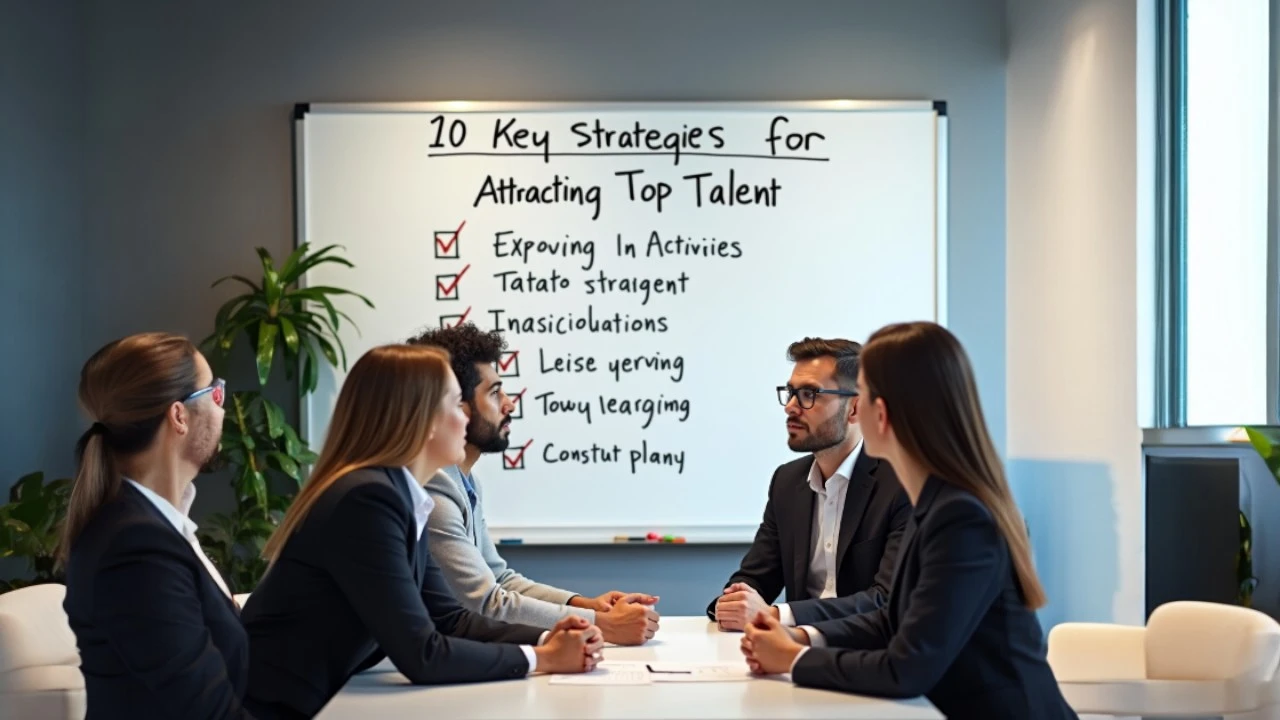
This guide reveals how to build a hiring dream team that identifies top talent—consistently.
Why Traditional Hiring Fails (And How Collaboration Fixes It)
The Pitfalls of Solo Decision-Making
- Confirmation bias: Interviewers favor candidates who “feel right” (similar backgrounds, personalities).
- The Halo Effect: One strong skill overshadows red flags.
- Inconsistent evaluations: Different interviewers assess differently.
The Power of Team Hiring
- Diverse perspectives catch blind spots.
- Structured scoring minimizes subjectivity.
- Shared accountability reduces rushed decisions.
Case Study: After switching to collaborative hiring, Intel reduced mis-hires by 35% and improved diversity hires by 22%.
Step 1: Assemble the Right Hiring Team
Who Should Be Involved?
| Role | Why They Matter |
|---|---|
| Hiring Manager | Defines role requirements, final say. |
| Peers (2-3) | Assess cultural fit, teamwork skills. |
| Cross-Functional | Brings fresh perspective (e.g., marketing hiring engineer). |
| Diversity Advocate | Ensures unbiased language and evaluation. |
Avoid: Too many voices (5+ interviewers causes decision paralysis).
Define Clear Roles
- Hiring Manager: Focuses on skills, experience.
- Peers: Evaluates collaboration, day-to-day fit.
- Cross-functional: Checks adaptability, broader impact.
Step 2: Structure the Process for Consistency
Create an Interview Scorecard
Rate candidates on specific, pre-defined criteria (e.g., technical skills, problem-solving, culture add).
Example Scorecard:
| Criteria | Rating (1-5) | Notes |
|---|---|---|
| Technical Skills | ⭐⭐⭐⭐☆ | Strong in Python, weak in SQL. |
| Collaboration | ⭐⭐⭐☆☆ | Needs clearer communication. |
Assign Focus Areas
- Technical Interviewer: Coding test, case studies.
- Culture Interviewer: Behavioral questions (“Tell me about a conflict you resolved”).
- Role Play: Simulate real work scenarios (e.g., sales pitch, bug fix).
Step 3: Reduce Bias with Blind Evaluations
Before the Interview:
- Remove names/photos from resumes (use initials).
- Standardize questions (ask all candidates the same ones).
During Debriefs:
- Discuss ratings first, then impressions (prevents groupthink).
- Use “Silent Start” (each interviewer writes notes before sharing).
Pro Tip: Ban phrases like “I just liked them” — require evidence-based feedback.
Step 4: Make the Final Decision (Without Drama)
The “3 Strikes” Rule
If 3+ interviewers flag the same concern (e.g., poor problem-solving), pause hiring.
Tiebreaker Tactics:
- Hiring manager gets 2 votes (but must justify overrides).
- Re-test top candidates on 1-2 key skills.
When to Walk Away
- No clear “yes” = “No.” (Don’t settle.)
- Team is split = Reopen the search.
Collaborative Hiring in Action: Real-World Examples
Google’s Hiring Committees
- Panel reviews all feedback (hiring manager can’t single-handedly hire).
- Reduces manager bias by 40%.
Zappos’ “Culture Fit” Veto
- Any team member can veto a hire if they doubt cultural fit.
- Result: 90% retention at 1 year.
Common Mistakes to Avoid
❌ Letting the highest-paid person’s opinion (HiPPO) dominate.
❌ Skipping calibration meetings (interviewers must align on scoring).
❌ Rushing debriefs (leads to “recency bias” favoring last interviewee).
FAQs About Collaborative Hiring
Doesn’t this slow down hiring?
Initially, yes—but it saves time by reducing mis-hires.
What if interviewers disagree strongly?
Reconvene, review scorecards, and retest disputed skills.
How do we handle remote hiring?
Use recorded interviews (team reviews asynchronously).
Should candidates meet everyone?
No—3-4 interviewers max to avoid fatigue.
How do we train interviewers?
Bias training + mock interviews (e.g., “Was that question fair?”).
Conclusion: Better Hiring = Better Teams
Great companies aren’t built by lone wolves—they’re built by teams who hire teams.
Your Next Steps:
- Pick 3 roles for your next hiring squad.
- Build a scorecard for your open position.
- Run one bias-free debrief (try “Silent Start”).
Internal Links:
External Links:
Remember: A-team hires A-players. B-team hires C-players. Build your A-team first.**