

The Best Digital Advertising Tools for Small Businesses
Digital advertising is no longer optional for small businesses—it’s essential. With 97% of consumers searching online before making a
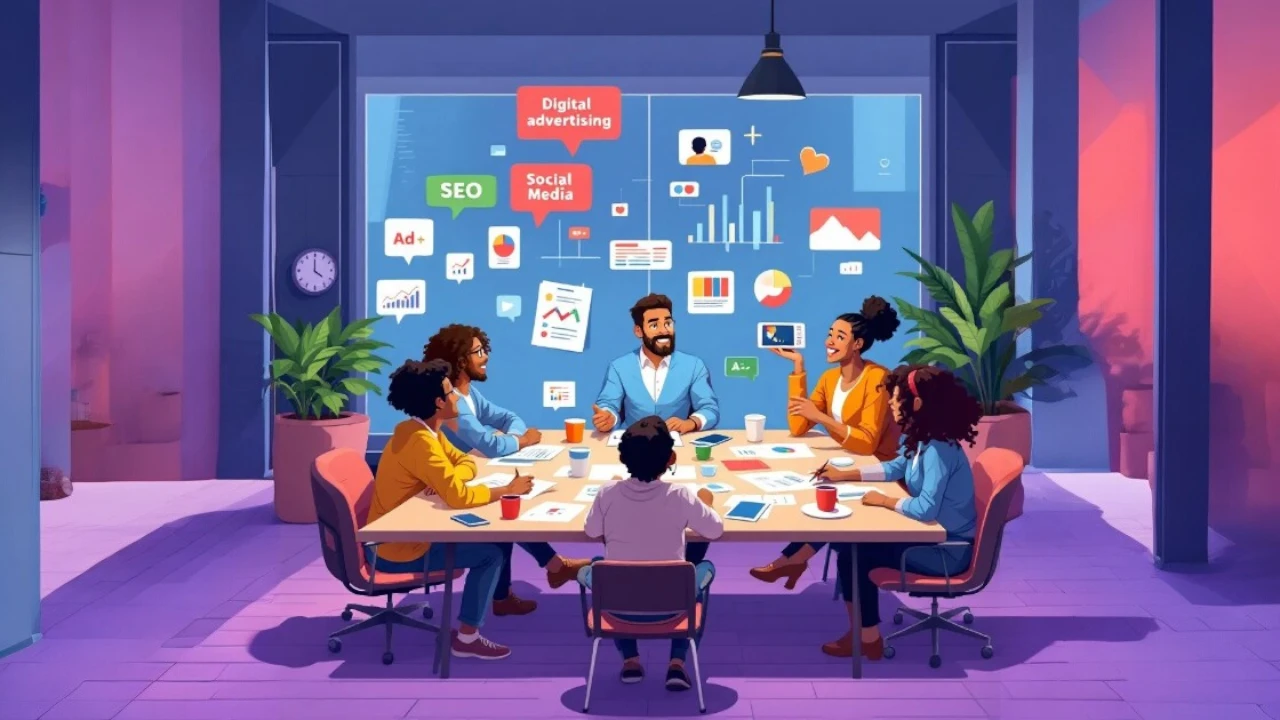
Digital advertising is no longer optional for small businesses—it’s essential. With 97% of consumers searching online before making a purchase, your ability to stand out in a crowded digital space can make or break your growth.
But with countless tools available, how do you choose the right ones without wasting time or money? In this guide, we’ll break down the best digital advertising tools for small businesses—covering everything from social media ads to email marketing automation. Whether you’re a startup or an established local business, these tools will help you reach the right audience, optimize campaigns, and drive sales.
Why Small Businesses Need Digital Advertising Tools
Running ads without the right tools is like driving blindfolded—you might move forward, but you won’t know if you’re heading in the right direction. Here’s why investing in digital advertising tools matters:
- Target the right audience – Avoid wasting money on uninterested users.
- Track performance in real time – Adjust campaigns before budget drains.
- Automate repetitive tasks – Save hours on manual ad management.
- Maximize ROI – Get more conversions per dollar spent.
Without these tools, you risk overspending, missing opportunities, and losing to competitors.
Best Digital Advertising Tools for Small Businesses
Social Media Advertising Tools
Facebook Ads Manager
Best for: Highly targeted ads on Facebook & Instagram.
Key Features:
- Advanced audience targeting (interests, demographics, behaviors).
- A/B testing for ad creatives.
- Detailed analytics to track conversions.
Why Use It? With 2.9 billion monthly active users, Facebook remains the top platform for reaching local and niche audiences.
TikTok Ads Manager
Best for: Brands targeting Gen Z and Millennials.
Key Features:
- Viral potential with engaging short-form video ads.
- Custom audience segmentation.
- Built-in creative tools for quick ad production.
Pro Tip: TikTok ads often perform best with authentic, entertaining content rather than polished sales pitches.
Search Engine Marketing (SEM) Tools
Google Ads
Best for: Capturing high-intent searches on Google.
Key Features:
- Pay-per-click (PPC) model—only pay when someone clicks.
- Keyword planner for optimizing ad spend.
- Local targeting for brick-and-mortar businesses.
Why Use It? Google processes over 8.5 billion searches daily—if you’re not bidding on relevant keywords, competitors will.
Microsoft Advertising (Bing Ads)
Best for: Reaching older demographics at lower costs.
Key Features:
- Lower CPC than Google Ads.
- Syncs with Google Ads campaigns for easy management.
- Strong for B2B and professional services.
Case Study: A small HVAC company reduced cost-per-lead by 30% using Bing Ads alongside Google.
Email Marketing & Automation Tools
Mailchimp
Best for: Beginner-friendly email campaigns.
Key Features:
- Drag-and-drop email builder.
- Automated welcome sequences and abandoned cart emails.
- Integrates with eCommerce platforms like Shopify.
Why Use It? Email marketing delivers $42 ROI for every $1 spent—making it one of the most cost-effective ad channels.
Klaviyo
Best for: eCommerce businesses with segmented audiences.
Key Features:
- AI-driven product recommendations in emails.
- Advanced segmentation (e.g., customers who browsed but didn’t buy).
- Real-time analytics for optimizing sends.
Retargeting & Remarketing Tools
Google Display Network (GDN)
Best for: Visual retargeting across websites.
Key Features:
- Banner ads on millions of partner sites.
- Dynamic ads that auto-update based on user behavior.
- Custom audience lists (e.g., past website visitors).
Why Use It? 70% of abandoned cart users convert after seeing retargeting ads.
AdRoll
Best for: Cross-channel retargeting (social + email + web).
Key Features:
- Syncs with Facebook and Google ads.
- AI optimizes ad spend for best-performing placements.
- Works for both eCommerce and service-based businesses.
Content & SEO Advertising Tools
SEMrush
Best for: Competitor ad research and SEO optimization.
Key Features:
- Spy on competitors’ Google Ads strategies.
- Track keyword rankings and backlinks.
- Content marketing toolkit for blog and ad copy.
Pro Tip: Use SEMrush’s Advertising Research tool to see which ads perform best in your niche.
Canva
Best for: DIY ad creatives (no design skills needed).
Key Features:
- Thousands of ad templates (social media, display ads, etc.).
- Brand kit for consistent visuals.
- Free version available for startups.
How to Choose the Right Tools for Your Business
Not every tool will fit your needs. Ask yourself:
✔ What’s my primary ad goal? (Brand awareness, leads, sales?)
✔ Who’s my target audience? (Age, location, online behavior?)
✔ What’s my budget? (Some tools offer free tiers or scalable plans.)
Example: A local bakery might prioritize Facebook Ads + Mailchimp, while an online store needs Google Ads + Klaviyo.
Common Digital Advertising Mistakes to Avoid
❌ Spray-and-pray targeting (Narrow audiences convert better.)
❌ Ignoring mobile optimization (Over 60% of searches happen on mobile.)
❌ No A/B testing (Always test ad copy, images, and CTAs.)
FAQs About Digital Advertising Tools
Which tool is best for a small budget?
Start with Facebook Ads + Canva—low cost but high impact.
How much should I spend on digital ads?
Aim for 5-10% of revenue; adjust based on ROI.
Do I need multiple tools?
Yes—combine paid ads (Google/Facebook) + email + retargeting for best results.
How long until I see results?
Search ads (Google) work in days; social ads may take 2-4 weeks to optimize.
Can I manage ads myself or hire an agency?
DIY works early on, but consider an agency or freelancer once scaling past $5K/month in ad spend.
Final Thoughts: Start Small, Scale Smart
Digital advertising tools level the playing field—letting small businesses compete with giants. The key is testing, tracking, and optimizing to ensure every dollar drives growth.
Next Step: Pick one tool from this list and launch your first campaign this week. Momentum builds from action!
Found this helpful? Share with another small business owner!
(For deeper strategies: Google’s Small Business Ads Guide or Meta’s Blueprint Courses.)