



How to Track and Optimize Your Digital Ad Campaigns for Maximum ROI
How to Track and Optimize Your Digital Ad Campaigns In today’s digital age, advertising is more than just creating
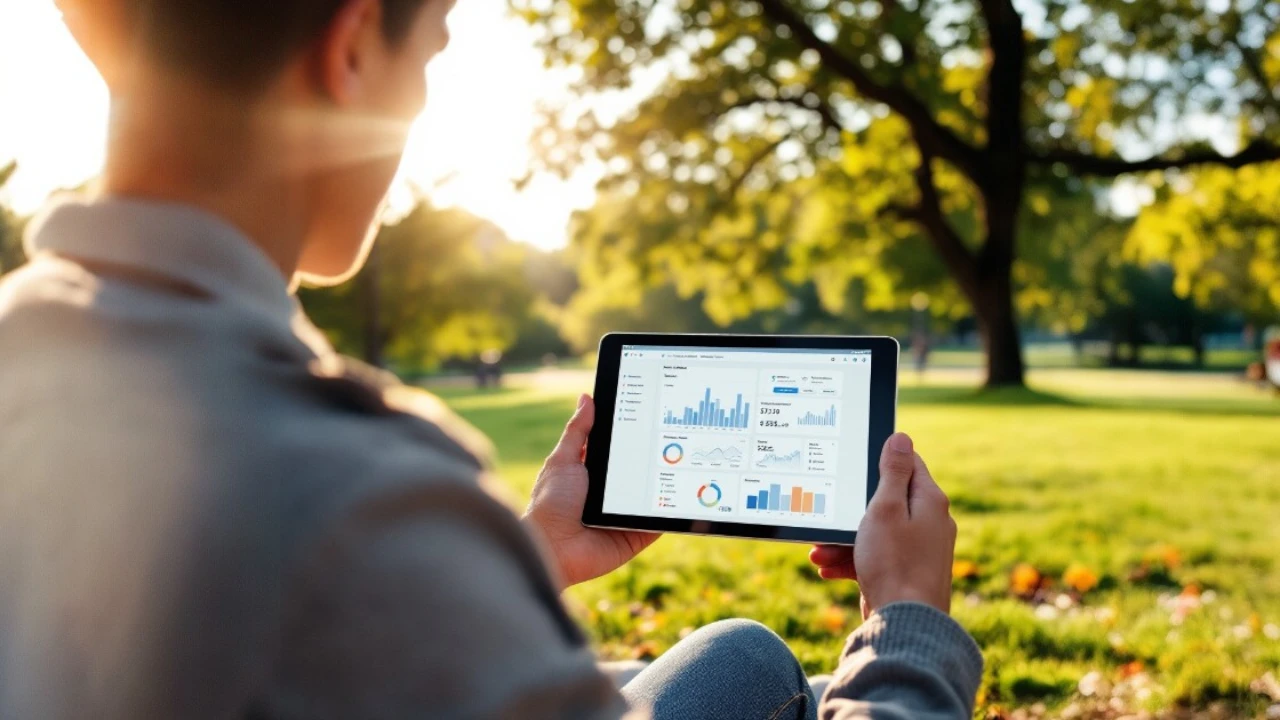
How to Track and Optimize Your Digital Ad Campaigns
In today’s digital age, advertising is more than just creating an eye-catching design or writing a persuasive message. If you’re spending money on ads, you need to make sure they’re working. That means tracking every action and optimizing performance for better returns. Here’s how you can turn your digital ad campaigns into high-performing machines.
Understanding the Importance of Campaign Tracking
Digital advertising without proper tracking is like flying blind. You might get lucky, but you’re more likely to crash. Tracking lets you:
- See what’s working and what’s not.
- Understand your audience behavior.
- Optimize your budget allocation.
- Improve future campaign strategies.
Most importantly, it helps boost your return on investment (ROI) by eliminating guesswork.
Setting Clear and Measurable Campaign Goals
Before you launch any campaign, define what success looks like. Clear goals provide direction and help you measure performance effectively.
Aligning KPIs with Business Objectives
Your Key Performance Indicators (KPIs) should reflect your ultimate business goals:
- Want brand awareness? Track impressions and reach.
- Looking for leads? Monitor form submissions or sign-ups.
- Driving sales? Focus on conversion rates and ROAS (Return on Ad Spend).
This ensures that your metrics aren’t just numbers—they’re business-driving insights.
Choosing the Right Digital Advertising Platforms
Not all platforms are created equal. Each has its strengths depending on your audience and goals.
- Google Ads for intent-based search marketing.
- Facebook and Instagram Ads for targeted social campaigns.
- LinkedIn Ads for B2B and professional outreach.
- YouTube Ads for video-driven brand engagement.
- Native platforms like Outbrain or MGID for content discovery.
Pick platforms based on where your audience spends time, not just trends.
Implementing Accurate Tracking Methods
To measure accurately, your tracking setup must be bulletproof.
UTM Parameters
Use UTM tags in your URLs to track traffic sources, mediums, campaigns, and content:
example.com?utm_source=facebook&utm_medium=cpc&utm_campaign=spring_sale
These parameters integrate seamlessly with Google Analytics for precise attribution.
Conversion Tracking Pixels
Place tracking pixels from Google, Facebook, or your tracker (like Voluum or Keitaro) on key pages:
- Purchase confirmation pages
- Thank-you pages
- Lead submission confirmations
These pixels help platforms attribute conversions correctly and optimize delivery.
Leveraging Analytics Tools for Data Insights
Tracking alone isn’t enough. You need robust analytics tools to turn raw data into actionable insights.
Google Analytics
A must-have tool. Google Analytics shows:
- Traffic sources
- User behavior
- Conversion paths
Use GA4 to track events-based metrics and cross-platform journeys.
Facebook Ads Manager
Track your cost-per-result, click-through rate (CTR), frequency, and ad relevance score in one place.
Voluum, Keitaro, and Other Trackers
For advanced affiliate marketers, trackers like Voluum and Keitaro allow:
- Multi-source tracking
- Campaign rotation
- Cloaking
- Device, OS, and GEO-based performance insights
These tools are invaluable when running complex campaigns across multiple sources.
Key Metrics to Monitor in Campaign Performance
Not all metrics are created equal. Focus on the ones that drive business value.
CTR, CPC, CPA, ROAS
- Click-Through Rate (CTR): Measures ad effectiveness.
- Cost-Per-Click (CPC): How much you pay for each click.
- Cost-Per-Acquisition (CPA): The cost to gain one customer.
- ROAS: Tells you how much revenue you earn for every dollar spent.
Bounce Rate and Engagement Metrics
If users bounce after clicking your ad, it’s time to rethink your landing page or audience targeting.
A/B Testing Your Ads for Better Results
Always be testing. A/B testing (split testing) allows you to find what resonates best with your audience.
Testing Creatives, Headlines, and Calls-to-Action
- Test different images or videos.
- Swap out headline copy.
- Experiment with CTAs like “Shop Now” vs. “Learn More.”
Keep all variables the same except one to get accurate, actionable results.
Optimizing Based on Data, Not Guesswork
Use your tracking data to guide optimizations—not your gut feeling.
Budget Reallocation Strategies
Shift budget toward:
- High-converting keywords or audiences.
- Platforms or ad sets with better ROAS.
- Time slots or days with better performance.
Audience Segmentation and Targeting Tweaks
Create custom audiences based on:
- Website visitors
- Email subscribers
- Cart abandoners
- Lookalike audiences
Narrow targeting can often outperform broad settings when done right.
Avoiding Common Mistakes in Campaign Tracking and Optimization
Even experienced marketers fall into these traps:
- Not tracking at all: Every campaign needs tracking before launch.
- Ignoring mobile performance: Most users browse on mobile—optimize accordingly.
- Over-optimization: Making too many changes too quickly skews results.
- Tracking only vanity metrics: Focus on bottom-line results, not just likes or shares.
Avoid these pitfalls to ensure reliable data and better performance.
The Future of Digital Ad Optimization
As privacy evolves, so do advertising strategies.
- First-party data will become more valuable as cookies phase out.
- AI-driven ad platforms will handle more optimization automatically.
- Attribution modeling will shift toward machine learning and data modeling rather than simple last-click analysis.
Adaptation is key. Keep learning, testing, and iterating.
Conclusion: Turn Insights into Action
Tracking and optimizing your digital ad campaigns isn’t just a technical task—it’s a growth strategy. When done right, it lets you:
- Spend smarter, not harder.
- Reach the right audience at the right time.
- Maximize every marketing dollar.
The key is to combine reliable data, smart tools, and a willingness to adapt. Whether you’re a startup or a seasoned marketer, apply these strategies consistently and watch your ad performance soar.
FAQs
How do I know if my ad campaign is successful?
Success depends on your goals. Monitor key metrics like conversions, ROAS, and CTR in relation to your campaign objectives.
What’s the best tool for tracking ad campaigns?
Google Analytics is essential. For advanced needs, Voluum, Keitaro, and platform-specific tools like Facebook Ads Manager are top choices.
How often should I optimize my campaigns?
Start reviewing data weekly. Make adjustments every 7–14 days to allow performance to stabilize between changes.
Can I run ads without a tracking pixel?
Technically yes, but it’s not recommended. You’ll lack conversion data, which limits optimization and may waste ad spend.
What is the biggest mistake in ad tracking?
Failing to set up tracking before launching. Without baseline data, optimization becomes guesswork.
Helpful Internal and External Resources
- Google Ads Help
- Facebook Business Help Center
- Google Analytics Academy
- HubSpot: Digital Ad Optimization Tips
- Neil Patel’s Guide to Tracking Marketing Metrics