


How to Develop a Strong Brand Identity: Key Strategies

To develop a strong brand identity, start by defining your brand’s values, personality, and target audience. Then, create a unique brand voice, logo, and visual elements that reflect these attributes.
Consistently apply your brand identity across all communication channels and customer touchpoints to build recognition and trust. Building a strong brand identity is crucial for standing out in a competitive market. It involves creating a cohesive and consistent image that resonates with your target audience.
A well-defined brand identity helps establish brand loyalty, fosters credibility, and supports long-term business growth. In this blog post, we will explore effective strategies for developing a robust brand identity that leaves a lasting impression on your audience. Whether you’re a startup or an established business, these insights will help you strengthen your brand’s presence and influence.
The Essence Of Brand Identity
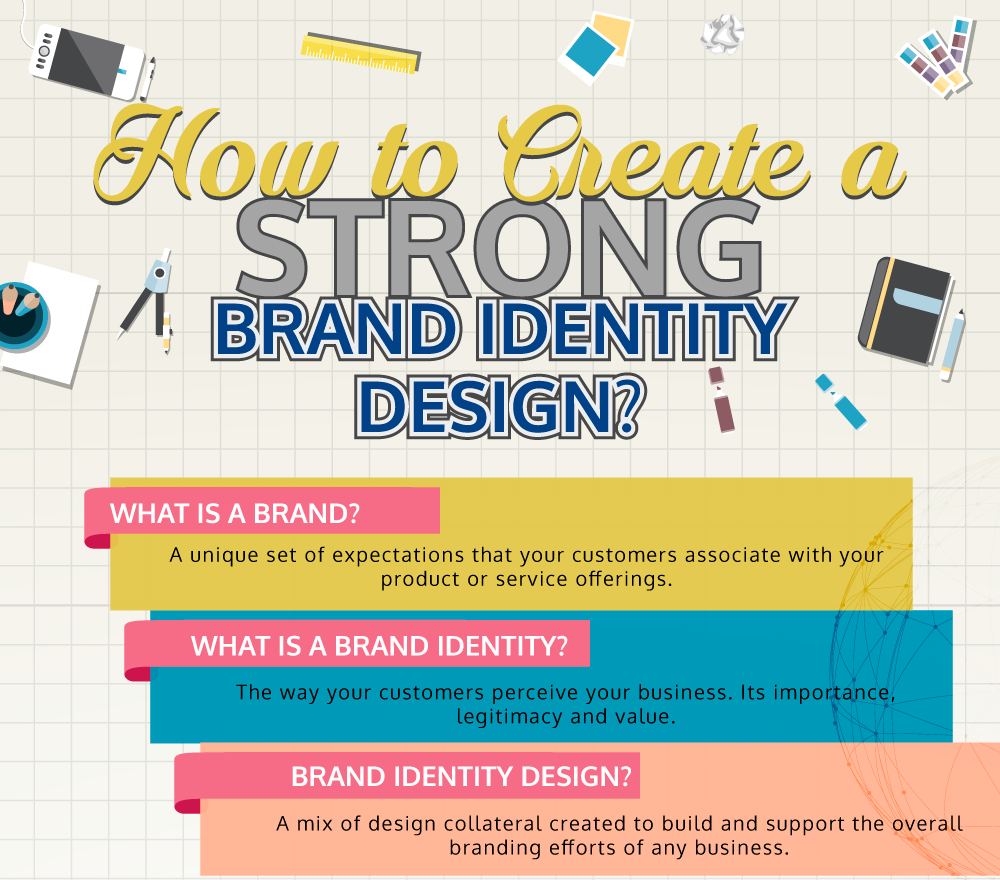
In the competitive landscape of the modern business world, developing a strong brand identity is crucial for standing out and building a loyal customer base. The essence of brand identity lies in creating a unique and memorable image that represents the values, personality, and offerings of a company. This blog post will explore the core elements of brand identity and distinguish between brand identity and brand image.
Core Elements
When developing a brand identity, it’s essential to consider several core elements that collectively contribute to a cohesive and impactful brand image. These elements include brand name, logo, color palette, typography, messaging, and brand voice. Each of these elements plays a significant role in shaping how a brand is perceived by its target audience.
Brand Identity Vs. Brand Image
It’s important to understand the distinction between brand identity and brand image. While brand identity encompasses the visual and verbal aspects that a company uses to portray itself, brand image refers to how the brand is perceived by the audience. The brand identity is what the company wants to convey, while the brand image is the actual perception of the brand by consumers and the public.
Crafting Your Brand Mission And Vision
One of the most crucial steps in developing a strong brand identity is crafting your brand mission and vision. Your brand mission outlines the purpose and core values of your company, while your brand vision sets the long-term goals and aspirations you want to achieve. By defining these essential elements, you can create a powerful brand that resonates with your target audience and sets you apart from competitors.
Defining Your Purpose
Defining your purpose is the foundation of your brand identity. It clarifies why your company exists and what it aims to achieve. Your purpose should be concise, clear, and aligned with the values of your target market. To define your purpose:
- Identify your target audience and understand their needs and desires.
- Consider how your products or services can fulfill those needs.
- Highlight the unique qualities that differentiate your brand from others.
- Create a compelling statement that captures the essence of your purpose.
For example, if you are a sustainable fashion brand targeting environmentally-conscious consumers, your purpose might be:
To provide stylish and eco-friendly clothing options that empower individuals to make sustainable fashion choices and reduce their environmental impact.
Setting Long-term Goals
Setting long-term goals helps guide your brand’s growth and development. These goals should be ambitious, yet realistic, and should align with your brand mission and vision. To set effective long-term goals:
- Reflect on your brand’s values, strengths, and areas for improvement.
- Consider the future direction of your industry and market trends.
- Identify specific objectives that will propel your brand forward.
- Establish measurable milestones to track your progress.
For instance, if you are a technology startup aiming to revolutionize the healthcare industry, your long-term goals might include:
1. Develop innovative healthcare solutions that improve patient outcomes and experiences.
2. Expand into international markets and establish strategic partnerships with leading healthcare providers.
3. Become a recognized industry leader in leveraging technology to drive healthcare advancements.
By crafting a compelling brand mission and setting ambitious long-term goals, you can establish a strong brand identity that resonates with your target audience and drives your business forward.
Understanding Your Target Audience
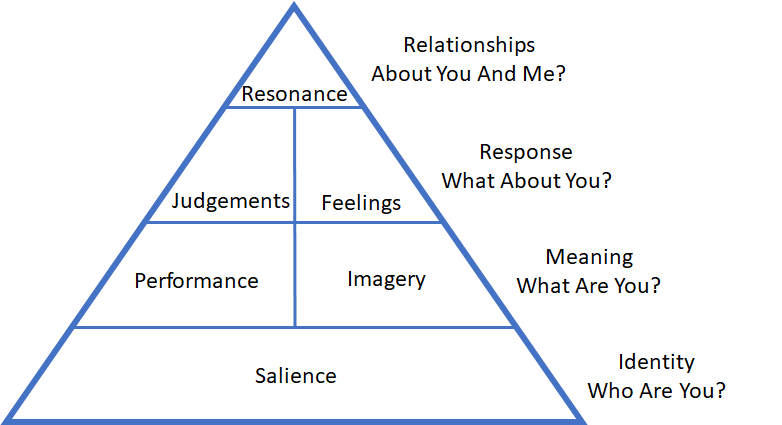
Understanding your target audience is crucial in developing a strong brand identity. By gaining insight into the demographics, needs, and preferences of your potential customers, you can tailor your brand to resonate with them effectively.
Identifying Customer Demographics
To create a compelling brand identity, it’s essential to identify the demographics of your target audience. This includes age, gender, location, income level, and education. Understanding these key factors allows you to personalize your brand messaging and visual elements to appeal directly to your ideal customers.
Analyzing Audience Needs And Preferences
Once you’ve pinpointed the demographics, the next step is to analyze the specific needs and preferences of your audience. This involves delving into their lifestyle, challenges, desires, and values. By recognizing what matters most to your audience, you can align your brand identity to address their concerns and connect with them on a deeper level.
Credit: venngage.com
Developing A Unique Brand Personality
To develop a strong brand identity, focus on creating a unique brand personality that resonates with your target audience. Define your brand’s values, voice, and visual elements to differentiate yourself in the market and build a lasting connection with customers.
Stand out by showcasing what makes your brand special and memorable.
Developing a Unique Brand Personality is an essential step in creating a strong brand identity. Your brand’s personality is what makes it stand out from the crowd and resonates with your target audience. It’s the voice, tone, and traits that define your brand and make it memorable. In this article, we’ll explore the key elements of Developing a Unique Brand Personality, including Choosing Your Brand’s Tone of Voice and Personality Traits that Resonate with Customers.Choosing Your Brand’s Tone Of Voice
Your brand’s tone of voice is the way you communicate with your customers. It’s the language and style you use to convey your brand’s message. To choose the right tone of voice for your brand, consider your target audience, brand values, and communication goals. Your tone of voice should be consistent across all communication channels, including your website, social media, and marketing materials.Here are some tips for Choosing Your Brand’s Tone of Voice:- Define your target audience and their communication preferences
- Choose a tone that aligns with your brand’s values and personality
- Use language that is easy to understand and resonates with your audience
- Be consistent in your tone of voice across all communication channels
Personality Traits That Resonate With Customers
Your brand’s personality traits are the characteristics that make it unique and memorable. These traits should reflect your brand’s values and resonate with your target audience. To identify your brand’s personality traits, consider your brand’s mission, vision, and values. Think about the emotions you want your brand to evoke in your audience and the qualities that differentiate your brand from competitors.Here are some Personality Traits that Resonate with Customers:- Authenticity
- Innovation
- Creativity
- Empathy
- Trustworthiness
- Passion
- Humor
Designing A Memorable Visual Identity
When it comes to developing a strong brand identity, designing a memorable visual identity is crucial. Your visual identity includes elements such as your logo, color scheme, and typography, which work together to create a distinct and recognizable brand image. Let’s explore each of these elements in detail:
Logo Creation
Your logo is the visual representation of your brand and acts as the face of your business. It should be unique, simple, and easily recognizable. When creating a logo, consider the following:
- Reflect your brand’s personality and values
- Keep it clean and uncluttered
- Choose appropriate colors and fonts
- Ensure scalability for various platforms
Color Scheme And Typography
The color scheme and typography you choose play a significant role in establishing your brand identity. Consistency is key here, as it helps create a cohesive and recognizable brand presence. Consider the following when selecting your color scheme and typography:
| Color Scheme | Typography |
|---|---|
|
|
By carefully designing your logo, selecting an appropriate color scheme, and choosing the right typography, you can develop a memorable visual identity that leaves a lasting impression on your target audience. Remember, consistency is key in maintaining a strong brand presence across various platforms and marketing materials.

Credit: visme.co
Consistency Across All Platforms
Consistency Across All Platforms is crucial in developing a strong brand identity. It ensures that your brand is recognizable and memorable to your target audience.
Uniformity In Messaging
Consistent messaging helps customers understand your brand’s values and offerings clearly.
Cohesive Brand Experience
Delivering a cohesive brand experience across all platforms builds trust with customers.
Building Brand Awareness
Developing a strong brand identity is crucial for building brand awareness. By creating a unique and consistent image, businesses can establish a recognizable presence in the market and connect with their target audience. Through effective branding strategies, companies can differentiate themselves from competitors and leave a lasting impression on consumers.
Effective Marketing Strategies
When it comes to building brand awareness, effective marketing strategies play a crucial role. Leveraging various marketing techniques can help increase visibility and reach among your target audience.Leveraging Social Media
Social media is a powerful tool for building brand awareness. It allows you to connect with your audience on a more personal level and engage with them in real time.Building Brand Awareness: – Use social media to engage with audience – Create compelling visual content – Collaborate with influencers for wider reachEffective Marketing Strategies: – Utilize SEO techniques – Run targeted online ads – Participate in industry eventsLeveraging Social Media: – Post consistently – Interact with followers – Analyze metrics for optimization
Credit: www.zekagraphic.com
Measuring Brand Identity Success
Developing a strong brand identity is crucial for success, but measuring its success can be challenging. By tracking metrics such as brand awareness, customer loyalty, and market share, businesses can evaluate the effectiveness of their brand identity and make necessary adjustments.
Key Performance Indicators
Identify relevant metrics to track brand growth.Measure brand visibility, engagement, and loyalty.Utilize tools like Google Analytics for data insights.Customer Feedback And Surveys
Collect feedback through online surveys and social media.Analyze sentiment to gauge customer perception.Engage with customers to build brand relationships.Utilize feedback to refine brand messaging and positioning.Frequently Asked Questions
How Do You Build A Strong Brand Identity?
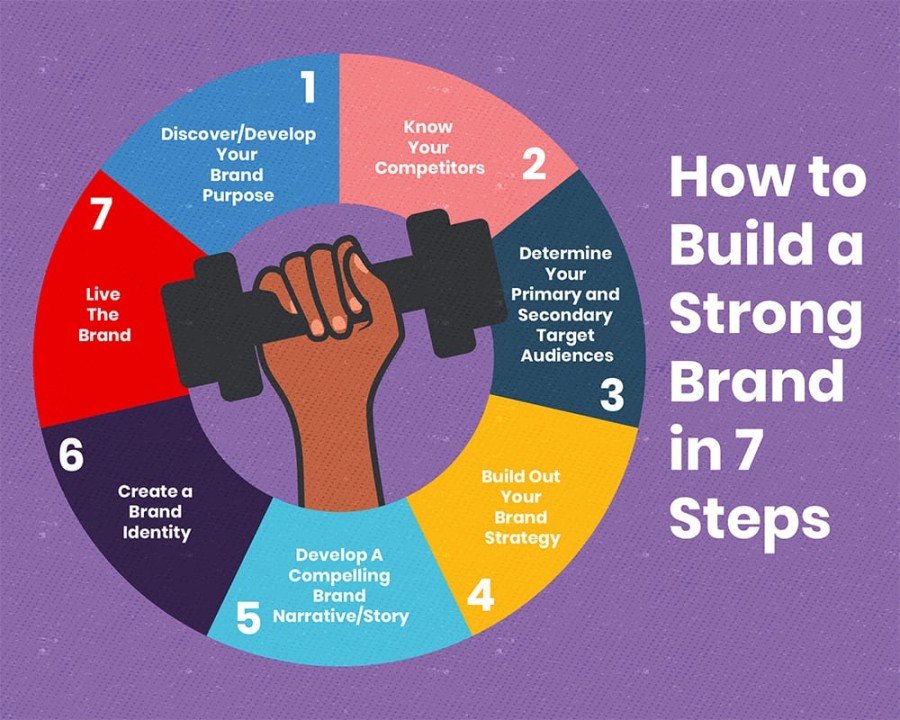
To build a strong brand identity, define your brand’s values, mission, and personality. Create a unique brand voice, visual elements, and consistent messaging. Engage with your audience and deliver high-quality products or services. Stay authentic and communicate your brand story effectively across all channels.
What Are The 7 Steps To Brand Identity?
The 7 steps to brand identity are: research, define your target audience, create a brand mission statement, design your logo and visual elements, develop brand messaging, build brand consistency, and monitor and adjust your brand strategy.
What Are The 5 Steps To Creating Brand Identity Designs?
The 5 steps to creating brand identity designs are: research your audience and competition, define your brand’s personality and values, design the visual elements, create brand guidelines, and implement consistently. These steps help establish a unique and recognizable brand identity.
What Helps To Create Brand Identity?
Creating a brand identity requires a combination of factors such as a strong visual identity, consistent messaging, a unique value proposition, target audience research, and creating an emotional connection with customers. These elements help to establish a brand’s personality, differentiate it from competitors, and build brand loyalty.
Conclusion
Developing a strong brand identity is crucial for the success of any business. By following the steps outlined in this blog post, you can create a brand that resonates with your target audience, differentiates you from competitors, and builds trust and loyalty.
Remember to stay consistent in your messaging, visuals, and customer experience to reinforce your brand identity. With a well-defined brand, you can establish a strong presence in the market and attract and retain customers for the long term.