



Why Soft Skills Matter More Than Ever – And How to Find Candidates Who Have Them
Technical skills get candidates in the door—but soft skills determine who thrives. In an era of AI, remote work,
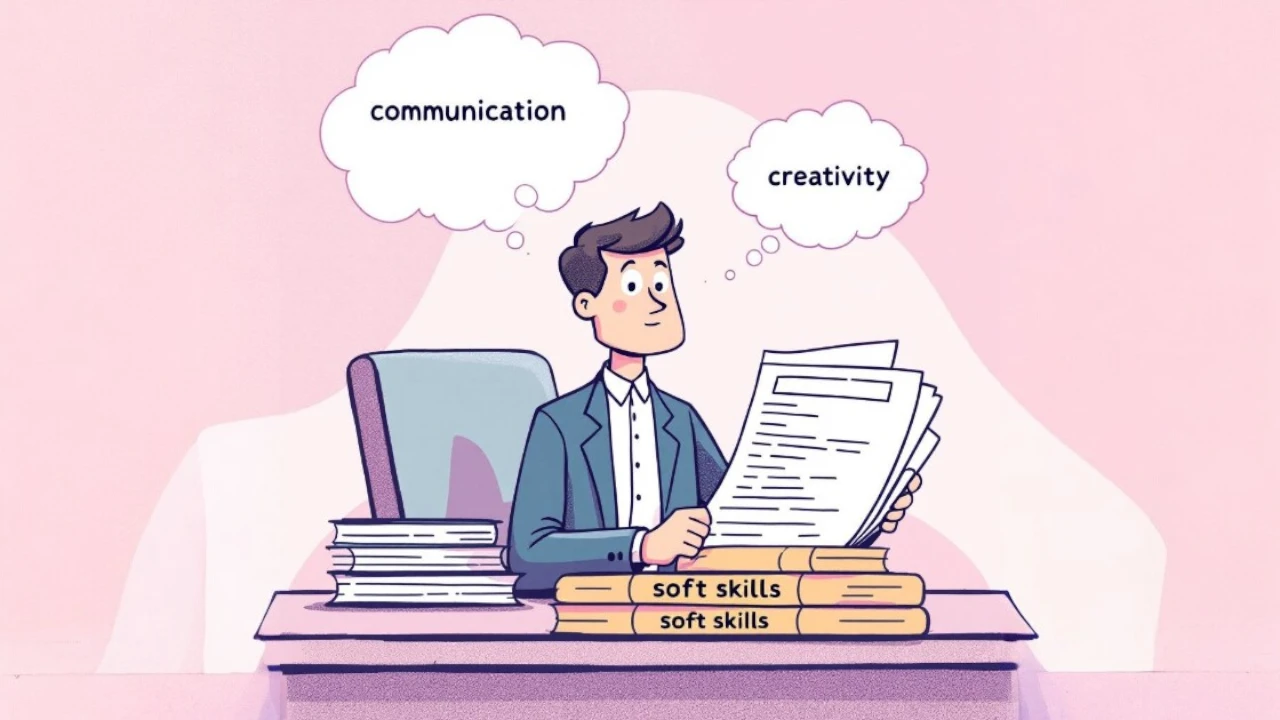
Technical skills get candidates in the door—but soft skills determine who thrives. In an era of AI, remote work, and rapid change, abilities like communication, adaptability, and emotional intelligence aren’t just nice-to-haves; they’re critical predictors of success.
Studies show:
✔ 93% of employers value soft skills as much as hard skills
✔ 89% of hiring failures stem from poor soft skills
✔ Soft-skilled teams see 12% higher productivity
Here’s why these human-centric abilities now dominate hiring—and how to spot them in candidates.
The 5 Most Valuable Soft Skills in 2024
1. Communication (The #1 Hiring Priority)
- Why it matters: Prevents misunderstandings in hybrid teams, drives client trust
- Red flag: Rambling answers, poor email etiquette
2. Adaptability (The AI-Proof Skill)
- Why it matters: 65% of jobs will transform by 2030 (McKinsey)
- Look for: Examples of learning new systems/pivoting roles
3. Emotional Intelligence (EQ)
- Why it matters: High-EQ teams have 31% lower turnover
- Test it: Ask how they handled workplace conflict
4. Critical Thinking
- Why it matters: Solves problems before they escalate
- Spot it: Ask “Walk me through a tough decision you made”
5. Collaboration
- Why it matters: Remote work demands strong virtual teamwork
- Warning sign: Overusing “I” instead of “we”
Why Soft Skills Outweigh Technical Abilities Now
AI Can’t Replicate Human Skills
ChatGPT writes code—but can’t motivate teams or read client emotions.
Remote Work Demands Stronger Communication
Hybrid environments require proactive updates and clear written skills.
Job Roles Evolve Too Fast
Technical skills expire in 2-5 years; soft skills last a lifetime.
How to Assess Soft Skills in Interviews (Beyond “Are You a Team Player?”)
Behavioral Interview Tactics
🔍 For communication:
“Describe a time you explained a complex idea to someone unfamiliar with it.”
🔍 For adaptability:
“Tell me about a major work change you navigated. How did you adjust?”
🔍 For EQ:
“Share an example of when you disagreed with a manager. How did you handle it?”
Observe Nonverbal Cues
- Active listening: Nodding, paraphrasing questions
- Confidence: Steady eye contact (not staring)
- Enthusiasm: Natural tone variation
Practical Tests
- Role-play scenarios (e.g., handling an upset client)
- Group interviews to see collaboration in action
3 Unconventional Ways to Identify Soft Skills
1. Analyze Their Questions
Candidates who ask strategic questions (vs. just benefits) show curiosity and big-picture thinking.
2. Review Their Writing Samples
Emails/project docs reveal clarity, tone, and attention to detail.
3. Contact Their References Differently
Instead of “Were they reliable?”, ask:
“How did they handle stress or unexpected setbacks?”
Soft Skills Training: Worth the Investment?
While some skills are innate, targeted training boosts competency:
- Communication: Toastmasters, writing workshops
- EQ: Active listening courses
- Collaboration: Personality assessments (DISC, Myers-Briggs)
Pro tip: Pair training with real-world practice (e.g., leading meetings).
FAQs About Soft Skills in Hiring
Can you teach soft skills or are they innate?
Core traits (like empathy) are hardwired, but most skills can be improved with coaching.
How do you test soft skills in remote hires?
Use video role-plays, Slack writing tests, and virtual group activities.
What if technical skills are non-negotiable?
Prioritize “learnability”—the ability to quickly acquire hard skills.
Do soft skills vary by industry?
Yes—sales needs persuasion, engineers need cross-team collaboration. Tailor your focus.
How do I spot soft skills on a resume?
Look for:
- Leadership roles (even in volunteer work)
- Projects requiring teamwork
- Continuous learning (courses, certifications)
Final Takeaway: Hire for Skills, Train for Tech
In a world where AI handles technical tasks, human skills are the ultimate competitive edge. Revamp your hiring process to:
- Ask situational questions
- Simulate real challenges
- Value potential over perfection
Your team’s success depends on it.
Internal Links:
- [Our Interview Scorecard Template]
- [How to Train Employees on Emotional Intelligence]
External Trust Builders:
- [LinkedIn Workplace Learning Report]
- [Harvard Study on EQ & Leadership]