

Why Commodity Brands Lose Market Share—and How Positioning Creates Inbound Dominance

Commodity brands often lose market share because they lack differentiation in an increasingly crowded marketplace. Without a unique identity they compete primarily on price or basic features that rivals can easily replicate leading to thinner margins and fickle customer loyalty. Surveys reveal mounting challenges around branding ROI and the need for better positioning to maintain influence as traditional search declines.
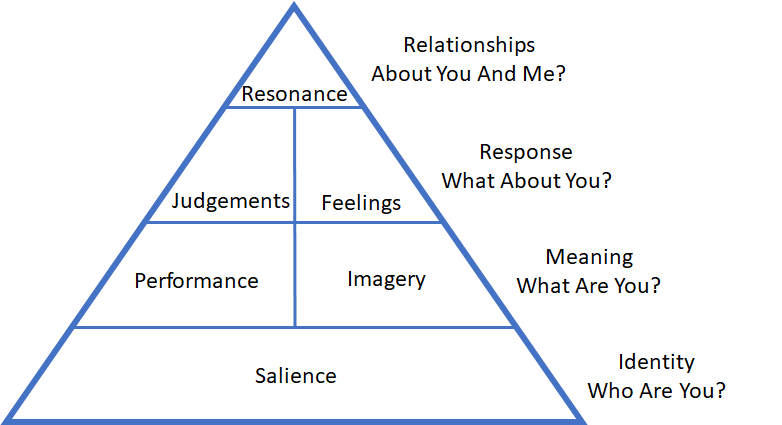
Advanced brand positioning strategies provide the solution by carving out a distinct space in the minds of ideal customers. These strategies build emotional connections and highlight specialized value that draws prospects organically. Leaders adopting advanced brand positioning strategies experience shorter sales cycles and a steady stream of inbound leads from those who already perceive the brand as the obvious choice.
Implementation requires thorough market research competitor analysis and audience personas to uncover unmet needs. Teams then develop compelling statements visual systems and governance rules to ensure consistency. Adaptive models allow quick adjustments without losing core messaging proving essential for 2026 market conditions.
Examples from successful brands illustrate how niche focus innovation leadership and lifestyle alignment create defensible advantages. Combining these with AI insights and zero-party data strategies enhances relevance and personalization further boosting inbound performance. Ultimately such approaches foster resilience and authority that protect against volatility while opening paths to market dominance Brand Positioning Strategy Guide for Success in 2026.
6 Advanced Brand Positioning Strategies That Drive 2026 Leadership
Advanced brand positioning strategies elevate brands beyond basic differentiation by integrating data, culture, and agility for stronger results. One proven approach is niche specialization, where firms like Vault Consulting focus solely on nonprofits to own a segment and attract targeted inbound inquiries from decision makers who value expertise.
Innovation leadership positions companies as forward-thinkers, similar to Tesla’s emphasis on new solutions that draw prospects seeking cutting-edge value and technological edges in their fields. Another key tactic uses emotional resonance, linking brands to customer aspirations as Nike does to foster deep loyalty and organic referrals that fuel inbound leads naturally.
Industry-specific positioning tailors offerings to particular sectors, building credibility that shortens sales cycles for B2B and agency teams pursuing dominance in competitive spaces. Quality and service excellence, exemplified by Apple, reinforces trust through proven outcomes and superior support that converts browsers into loyal customers over time.
Adaptive positioning frameworks allow brands to maintain a core message while adjusting proofs for different markets and channels without losing focus. This resilience proves critical in volatile conditions, enabling consistent inbound performance and growth.
AI-enhanced positioning leverages real-time insights for hyper-personalized experiences that increase relevance and conversion rates among high-value audiences seeking authority.
These advanced brand positioning strategies create competitive moats and drive sustained market leadership through inbound attraction rather than paid acquisition.
Execute, Measure, and Scale Your Brand Positioning for Sustained Growth
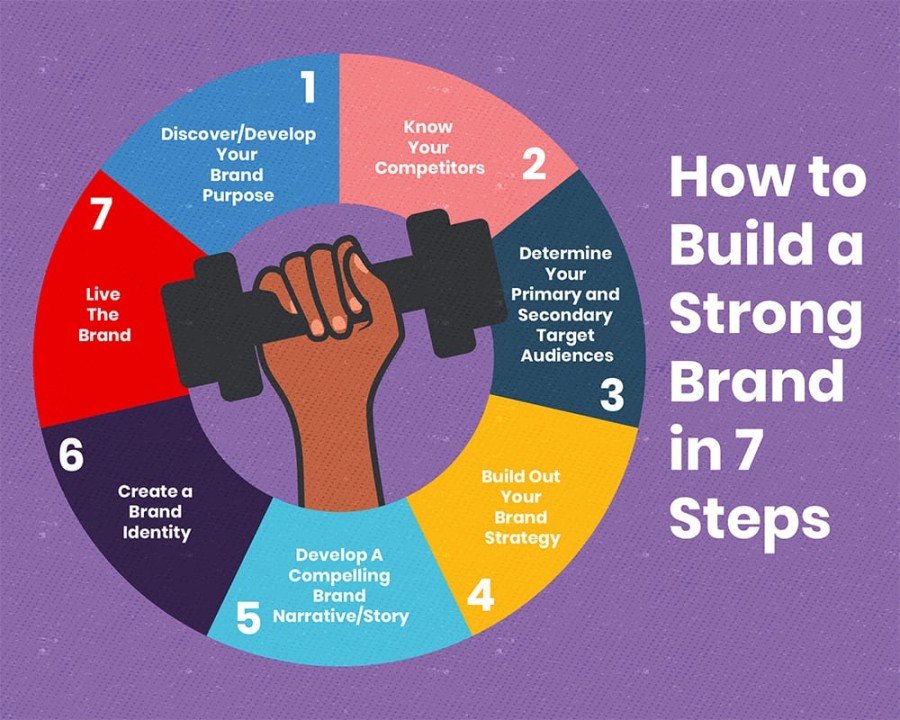
To put advanced brand positioning strategies into action start with a structured implementation plan. Define your brand purpose and values through leadership workshops. Research your market deeply with customer interviews and competitor analysis to identify gaps.
Develop core identity elements including messaging frameworks and visual systems. Create an implementation roadmap that prioritizes high-impact activities with clear ownership and timelines.
Deploy across all touchpoints while establishing brand governance to ensure consistency. Monitor performance using key indicators such as aided awareness net promoter scores and inbound lead quality. Implement real-time dashboards that link brand metrics to commercial results like customer acquisition costs and lifetime value.
Scale effectively by choosing adaptive frameworks that maintain core messaging across regions and channels. Integrate first-party data loops for continuous refinement and use creator systems to amplify reach. Test and learn rapidly to optimize without losing alignment.
Common pitfalls involve ignoring early signals or building static documents instead of living systems. Teams that focus on simple measurement and select two to three frameworks avoid drift and achieve sustained growth. Building resilient brand strategy this way protects against volatility while driving premium inbound opportunities.
Sources
- https://www.kedraco.com/blogs/brand-positioning-strategy
- https://monday.com/blog/marketing/brand-marketing-strategy/
- https://www.fieldtrip.agency/post/brand-strategy-frameworks
- https://mrgreenmarketing.com/2026/02/01/examples-of-brand-strategy/
- https://onadvertising.com/2026-guide-to-building-resilient-brand-strategy/
- https://methodq.com/8-marketing-trends-cmos-cannot-ignore-in-2026/
- https://nielseniq.com/global/en/insights/report/2025/cmo-outlook-for-2026/
- https://www.forbes.com/sites/lilianraji/2025/12/31/your-2026-marketing-strategy-edge-email-education-and-authenticity/
- https://www.htmedia.in/blog/digital-ads-trends-for-cmos-in-2026-what-you-need-to-know-to-stay-ahead
- https://www.demandgenreport.com/industry-news/news-brief/cmos-new-content-priorities-to-win-influence-as-search-declines/51618/