



The Psychology of Hiring: How to Predict a Candidate’s Future Success
Hiring the right candidate can make or break a team, department, or company. Yet traditional resumes and interviews often
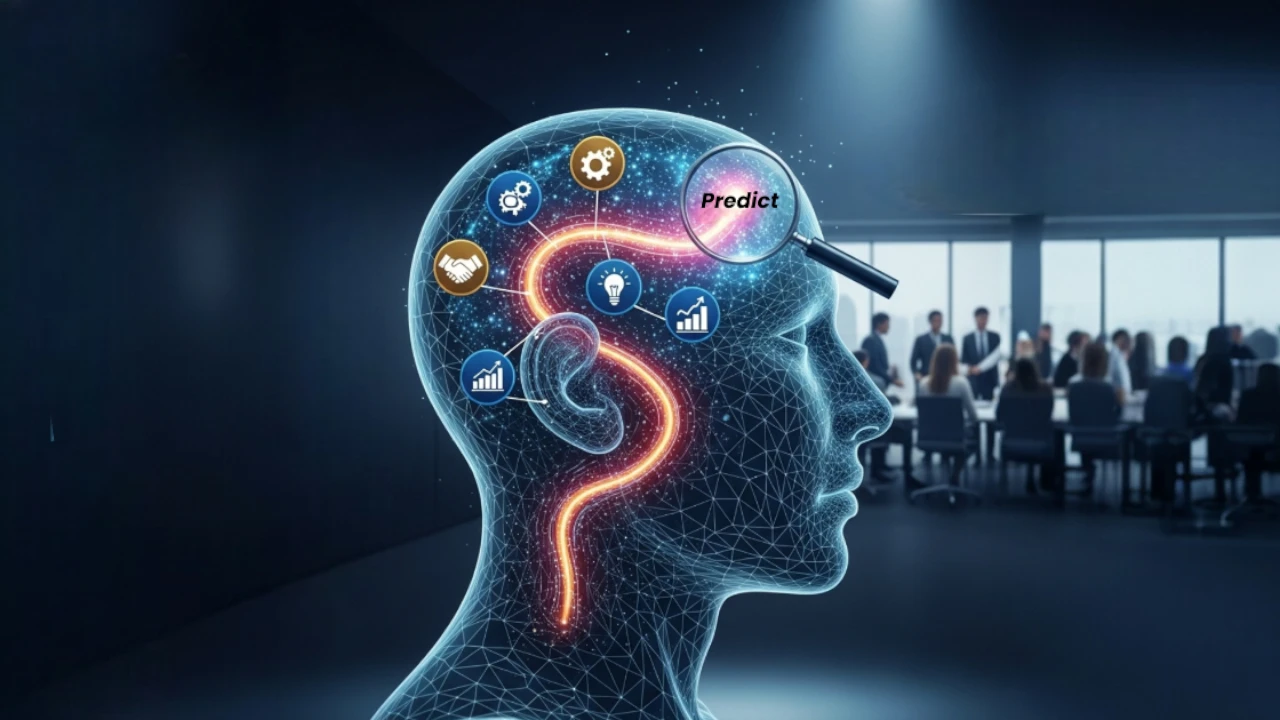
Hiring the right candidate can make or break a team, department, or company. Yet traditional resumes and interviews often fail to accurately predict performance. The secret lies in psychology—understanding human behavior, motivation, and cognitive abilities.
When hiring managers leverage psychological insights, they can foresee how candidates will perform, adapt, and grow. This not only improves business outcomes but also reduces costly turnover and fosters stronger workplace culture.
This guide dives deep into the psychology of hiring and shares proven strategies to predict future success, backed by research and real-world applications.
Why Understanding Psychology Matters in Hiring
Hiring decisions are more than just evaluating skills. Success depends on:
- Cognitive ability – How candidates think, problem-solve, and learn.
- Personality traits – How they interact, adapt, and persist.
- Motivation & values – What drives them day to day.
- Cultural fit – Whether they align with the company’s environment.
Ignoring these factors often results in hiring mistakes—poor fit, low engagement, and high turnover. Psychology provides tools to identify candidates with potential for long-term success.
Key Psychological Principles to Assess Candidates
Cognitive Ability Predicts Performance
Cognitive ability—problem-solving, learning speed, and analytical thinking—is consistently one of the strongest predictors of job performance.
Assessment methods include:
- Structured cognitive tests
- Work sample tests
- Scenario-based problem-solving
High cognitive ability enables employees to adapt, grow, and handle complex tasks effectively.
Personality Traits Influence Work Behavior
Personality significantly impacts performance, teamwork, and adaptability. The Big Five Personality Traits model is widely used:
- Conscientiousness – Reliability, organization, and persistence
- Openness to Experience – Creativity and adaptability
- Extraversion – Collaboration and social engagement
- Agreeableness – Cooperation and conflict resolution
- Emotional Stability (Neuroticism reversed) – Stress management and resilience
Tip: Conscientiousness is often the single most reliable predictor of success across roles.
Motivation Determines Drive and Engagement
Skills alone aren’t enough; motivated candidates consistently outperform their peers.
Psychological indicators of motivation include:
- Past achievements despite obstacles
- Intrinsic passion for work
- Goal-oriented mindset
Behavioral interviews can uncover motivation by asking questions like:
“Tell me about a time you went above and beyond for a project.”
Emotional Intelligence Supports Teamwork
Emotional intelligence (EQ) influences interpersonal effectiveness, leadership, and collaboration. Candidates with high EQ can:
- Manage stress
- Navigate conflicts
- Build positive relationships
Assessment tips: Role-playing exercises, behavioral interviews, and situational questions help evaluate EQ.
Cultural Fit Increases Retention
Cultural fit ensures employees align with company values and work norms. Mismatched hires often leave early, harming productivity and morale.
Psychological indicators of cultural fit:
- Shared core values
- Communication style alignment
- Preference for autonomy vs. structure
- Work-life balance expectations
Surveys, team interactions, and behavioral interviews can reveal fit.
Advanced Techniques to Predict Candidate Success
Structured Behavioral Interviews
Behavioral interviews predict future performance by exploring past behavior.
Ask:
- “Tell me about a time you overcame a major challenge.”
- “How do you handle tight deadlines or conflict?”
Past behavior often reflects future performance.
Situational Judgment Tests (SJTs)
SJTs present hypothetical work scenarios to assess decision-making, problem-solving, and interpersonal skills. They are highly predictive of success because they mimic real job situations.
Work Sample Assessments
Providing real or simulated tasks allows candidates to demonstrate abilities directly. This method is particularly effective for technical or creative roles.
Personality and Psychometric Testing
Validated psychometric tests reveal traits, motivations, and cognitive ability. They provide an unbiased supplement to interviews and resumes.
Predictive Analytics in Hiring
Modern HR tools use AI to analyze resumes, assessments, and interview responses to predict performance and turnover risk. By integrating psychology with data, companies make smarter, faster hiring decisions.
Behavioral Cues to Watch During Interviews
- Consistency: Are answers aligned with experience?
- Problem-solving: Do they approach challenges logically?
- Adaptability: Can they handle hypothetical changes?
- Self-awareness: Can they identify strengths and weaknesses?
- Social cues: Do they communicate effectively and read others’ emotions?
These subtle indicators often predict how a candidate will perform on the job.
Building a Psychology-Driven Hiring Process
- Define success: Identify competencies, behaviors, and traits needed for the role.
- Assess cognitive ability: Use structured tests and problem-solving tasks.
- Evaluate personality: Incorporate validated psychometric tools.
- Measure motivation: Use behavioral interviews to uncover drive.
- Check cultural fit: Assess alignment with company values and team norms.
- Incorporate team input: Peer evaluations can provide additional insights.
- Analyze & predict: Combine data to make informed hiring decisions.
A structured approach reduces bias, increases predictive accuracy, and improves overall team performance.
Benefits of a Psychology-Driven Hiring Process
- Lower turnover rates
- Higher productivity
- Improved team dynamics
- Better employee engagement
- Reduced hiring mistakes
- Stronger leadership pipeline
Investing in psychology-based hiring is an investment in long-term organizational success.
Common Mistakes to Avoid
- Relying solely on resumes or gut feelings
- Asking unstructured, generic interview questions
- Ignoring soft skills and motivation
- Overlooking cultural alignment
- Using unvalidated assessments
Avoiding these pitfalls ensures you hire candidates who truly fit the role and organization.
Internal Link Suggestions
- “Top Employee Engagement Strategies”
- “How to Build High-Performing Teams”
- “Behavioral Interview Guide for Managers”
External Authoritative Sources
- Society for Industrial and Organizational Psychology (SIOP)
- Harvard Business Review — Hiring & Talent Management
- APA — Industrial/Organizational Psychology
FAQs
What is the most important predictor of job success?
Cognitive ability and conscientiousness consistently predict strong performance across most roles.
How can I assess personality in hiring?
Validated psychometric tests like the Big Five or DISC assessments are reliable tools.
Can motivation be measured objectively?
Behavioral interviews, past achievements, and situational questions provide strong insights.
Is cultural fit really necessary?
Yes. Employees aligned with company culture are more engaged, productive, and likely to stay long-term.
Do psychometric tests guarantee hiring success?
No single test guarantees success, but combining tests with interviews and work samples significantly improves predictive accuracy.
Conclusion
The psychology of hiring is a powerful tool for predicting future success. By assessing cognitive ability, personality traits, motivation, emotional intelligence, and cultural fit, companies can make smarter, more data-driven decisions.
Integrating behavioral interviews, work samples, psychometric assessments, and predictive analytics creates a robust, reliable hiring process.
Companies that leverage these insights consistently hire employees who excel, innovate, and remain committed—reducing turnover and building high-performing teams.
Investing in the science of hiring is investing in long-term business success. Understanding psychology isn’t just helpful—it’s essential for organizations that want to thrive in today’s competitive market.