

The Inbound Lead Problem CMOs and Agencies Face in 2026

CMOs and agency owners in 2026 confront saturated markets filled with similar offerings that blur together. Vague agency positioning prevents firms from claiming distinct space, driving reliance on expensive outbound tactics that fail to produce consistent inbound lead generation. Prospects overlook generic promises amid fierce global competition and rapid digital shifts.
The divide between brand efforts and demand activities compounds this issue. Evidence shows firms that integrate brand building with lead generation achieve faster sustainable growth through unified pipelines. Separate budgets and teams create inefficiencies, diluting ROI and weakening competitive stance.
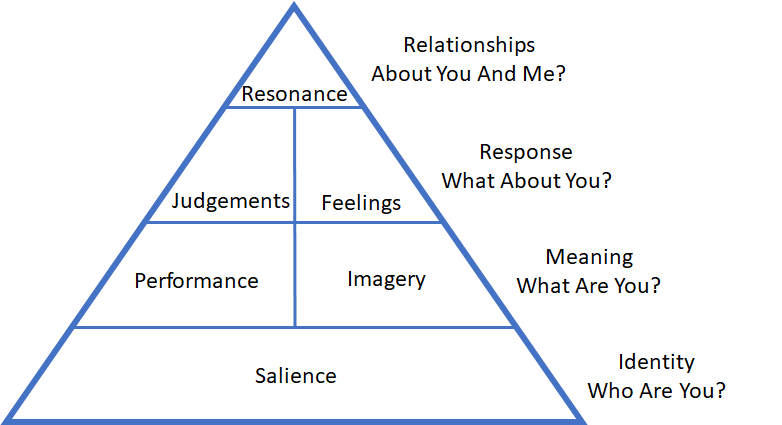
Root causes trace to undefined mental ownership with target audiences. Professional services providers often spread too thin instead of narrowing to high-value niches or roles. Data indicates emotionally resonant positioning boosts loyalty and recall significantly.
Many leaders underutilize AI-driven brand positioning to refine messages in real time across channels. Without this, outbound dependency persists and inbound flows remain unpredictable. Marketing stays viewed as a cost rather than growth accelerator.
Resolving these gaps requires shifting to sharper differentiation that attracts prospects naturally. A strong brand positioning strategy establishes credibility, aligns internal teams, and turns perception into a steady pipeline. The result delivers market dominance with reduced pursuit costs and lasting relevance.
In 2026, standing out demands precision. CMOs who prioritize advanced positioning strategies move marketing forward as the engine for uncommon, inbound-driven expansion.
Quick Wins: Proven Brand Positioning Types That Cut Through Noise
Niche specialization delivers quick relevance by focusing on one audience segment. Vault Consulting positions as the leading accounting firm for nonprofits, attracting inbound leads through targeted expertise rather than broad outreach. Industry or role-based approaches tailor offerings to specific sectors. Sellers Dorsey claims leadership in Medicaid consulting for healthcare providers and state agencies, creating clear differentiation that supports agency positioning success. Quality and service positioning emphasizes tangible proof. Apple maintains supremacy by backing design excellence with consistent customer experiences that foster loyalty. Emotional or lifestyle strategies connect with audience values. Nike builds community around achievement, turning customers into advocates who drive inbound lead generation naturally. Cost-driven options work when efficiency defines the category. Brands like Hinge leverage scale for affordability without sacrificing trust. Innovation and technology leadership positions firms as forward thinkers. Tesla exemplifies this by owning the future of electric vehicles through constant advancements. These types integrate brand and demand effectively, allowing CMOs to test one approach, measure results, and refine AI-driven brand positioning quickly. Advanced positioning strategies start with selecting one lane that aligns with strengths. For agency owners, adopting niche focus yields faster client acquisition and market dominance branding. Each delivers a concrete win by replacing vague messaging with precise, memorable claims that audiences remember and seek out. Research confirms that brands with focused positioning boost revenue by up to 20 percent through higher retention and referrals. Apply these proven types to see relevance gains without lengthy overhauls. Track perception shifts through surveys and inbound metrics to validate impact quickly. The right choice sharpens perception and turns positioning into a lead magnet.
Advanced Positioning Framework: Integrating Brand, Demand & AI for Market Dominance
CMOs and agency owners build on proven positioning types by implementing a structured framework. This approach links a clear brand positioning strategy directly to demand generation while embedding AI and cross-team execution. Prophet research demonstrates that integrating brand and demand delivers stronger ROI across the funnel through shared outcomes and aligned strategies from the outset.
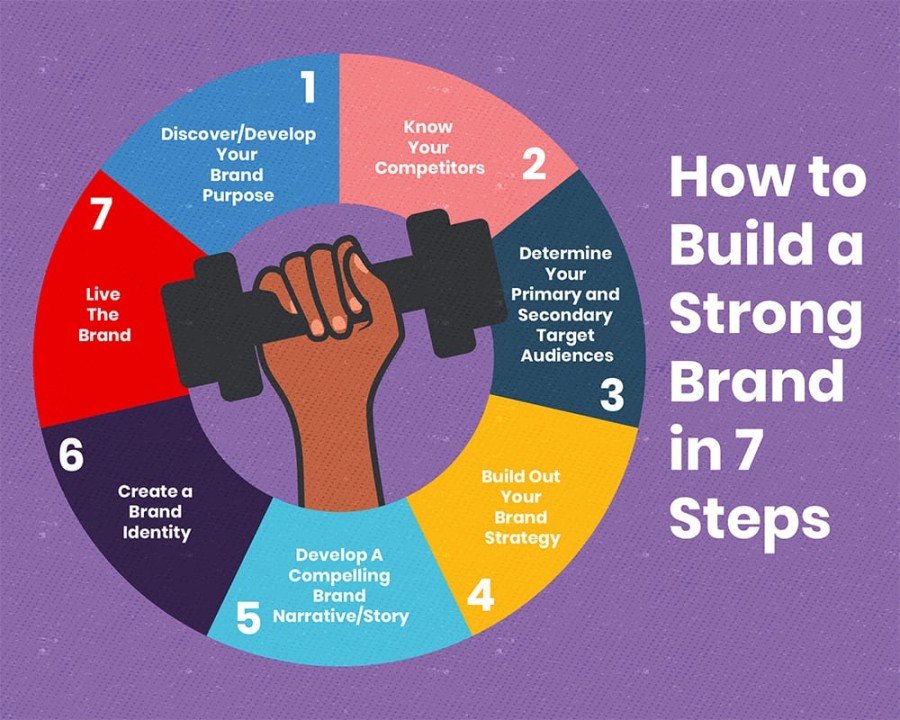
Step 1 starts with defining unified goals and messaging that connect long-term brand equity to short-term conversions. Step 2 requires aligning internal culture so employee behaviors reinforce external promises. Prophet notes this consistency builds trust and turns values into sustained action.
Step 3 incorporates AI-driven insights to refine segmentation and personalize content at scale, adapting the brand positioning strategy in real time. Step 4 breaks silos by forming cross-functional teams with shared data access and planning processes that accelerate collaboration. Step 5 activates positioning across touchpoints while measuring inbound lead generation, perception shifts, and pipeline impact.
For agency owners, this framework accelerates client acquisition by replacing fragmented tactics with repeatable systems. Next actions include auditing current brand and demand separation, piloting AI tools on one audience segment, and training teams on the unified brand positioning strategy. Track results weekly to refine execution. Organizations that apply these steps convert perception into market dominance with predictable inbound flows and reduced dependency on outbound spending.
Sources
- https://prophet.com/thinking/cmo-guide
- https://www.kedraco.com/blogs/brand-positioning-strategy
- https://www.bcg.com/executives/cmo-agenda
- https://setup.us/blog/top-5-growth-strategies-for-agencies
- https://webolutionsmarketingagency.com/blog/digital-marketing/preparing-your-marketing-strategy-for-2026
- https://seranking.com/blog/agency-positioning
- https://sevenfigureagency.com/marketing-agency-growth-plan
- https://blog.uncommonlogic.com/cmo-priorities-2026
- https://www.themarketingcentre.com/blog/why-businesses-that-balance-lead-generation-and-brand-building-grow-faster
- https://hingemarketing.com/blog/story/top-21-inbound-lead-generation-techniques