



How to Use Data Analytics to Boost Your Sales Game
To improve sales outcomes, utilize data analytics effectively. By analyzing data, you can gain valuable insights and make data-driven

To improve sales outcomes, utilize data analytics effectively. By analyzing data, you can gain valuable insights and make data-driven decisions that optimize sales strategies and drive revenue growth.
In today’s highly competitive business landscape, organizations are constantly seeking ways to enhance their sales performance. One powerful tool that can significantly impact sales outcomes is data analytics. By harnessing the power of data, companies can uncover valuable insights and make informed decisions to drive revenue growth.
Data analytics involves the process of collecting, analyzing, and interpreting large volumes of data to identify patterns, trends, and correlations. This information can be used to optimize sales strategies, improve customer targeting, enhance product offerings, and refine pricing models. In this blog post, we will explore how businesses can leverage data analytics to improve sales outcomes. We will discuss the key steps involved in utilizing data analytics effectively, highlight the benefits it can bring to sales performance, and provide practical tips for implementing a data-driven sales approach. So, if you want to take your sales performance to the next level, keep reading to discover how data analytics can transform your sales outcomes.
Credit: decisionpoint.ai
The Role Of Data Analytics In Sales
Data analytics is a powerful tool that can help businesses improve their sales outcomes. By analyzing customer data and identifying patterns, companies can make more informed decisions about their sales strategies. With the right approach, data analytics can lead to increased revenue and customer satisfaction.
Data analytics is playing an increasingly vital role in sales strategies, revolutionizing the way businesses approach selling their products or services. By harnessing the power of data, companies can gain valuable insights into customer behavior, preferences, and market trends. This information empowers sales teams to make data-driven decisions, optimize their processes, and ultimately improve sales outcomes.
The Shift To Data-driven Sales Strategies
Gone are the days of relying solely on intuition and guesswork in sales. With the advent of data analytics, businesses can now base their sales strategies on concrete data and evidence. This shift allows companies to understand their target audience better, identify potential leads, and tailor their messaging and offerings accordingly. By leveraging data analytics, sales teams can optimize their prospecting efforts and focus on the most promising opportunities, increasing their chances of closing deals.
Key Sales Metrics To Track
Tracking key sales metrics is essential for measuring performance, identifying areas for improvement, and setting realistic goals. Here are some critical sales metrics that data analytics can help monitor:
| Metric | Description |
|---|---|
| Conversion Rate | The percentage of leads or prospects that convert into customers. |
| Customer Lifetime Value (CLTV) | The predicted net profit generated by a customer over their entire relationship with the business. |
| Sales Cycle Length | The average time it takes to close a sale from the initial contact with a prospect. |
| Win Rate | The percentage of opportunities or deals won compared to the total number of opportunities. |
By regularly monitoring and analyzing these metrics, sales teams can identify bottlenecks, optimize their processes, and focus on areas that yield the highest returns. Data analytics provides the necessary insights to make informed decisions and drive sales growth.
In conclusion, data analytics has become an indispensable tool for sales teams. By embracing data-driven strategies and tracking key sales metrics, businesses can gain a competitive edge, enhance their sales outcomes, and ultimately thrive in today’s dynamic market.
Getting Started With Sales Analytics
Are you looking to improve your sales outcomes? One way to achieve this is by using data analytics. Sales analytics can provide you with the insights you need to make informed decisions that can drive revenue growth. To get started with sales analytics, you need to first identify your data sources and the tools and platforms you’ll use to analyze the data.
Identifying Your Data Sources
The first step in getting started with sales analytics is identifying your data sources. These are the places where you’ll collect your data from. Some common data sources include:
- Your CRM system
- Your website analytics
- Social media platforms
- Third-party data providers
By collecting data from these sources, you can gain a comprehensive view of your sales performance and identify areas for improvement.
Tools And Platforms For Sales Analytics
Once you’ve identified your data sources, you’ll need to choose the right tools and platforms to analyze the data. Some popular tools and platforms for sales analytics include:
| Tool/Platform | Description |
|---|---|
| Tableau | A data visualization tool that helps you make sense of complex data |
| Google Analytics | A web analytics tool that provides insights into website traffic and user behavior |
| Salesforce | A CRM platform that helps you manage your sales pipeline and track customer interactions |
| HubSpot | A marketing and sales automation platform that provides insights into customer behavior and engagement |
By using these tools and platforms, you can analyze your data in real time and gain valuable insights that can help you improve your sales outcomes.
Understanding Your Customer Through Data
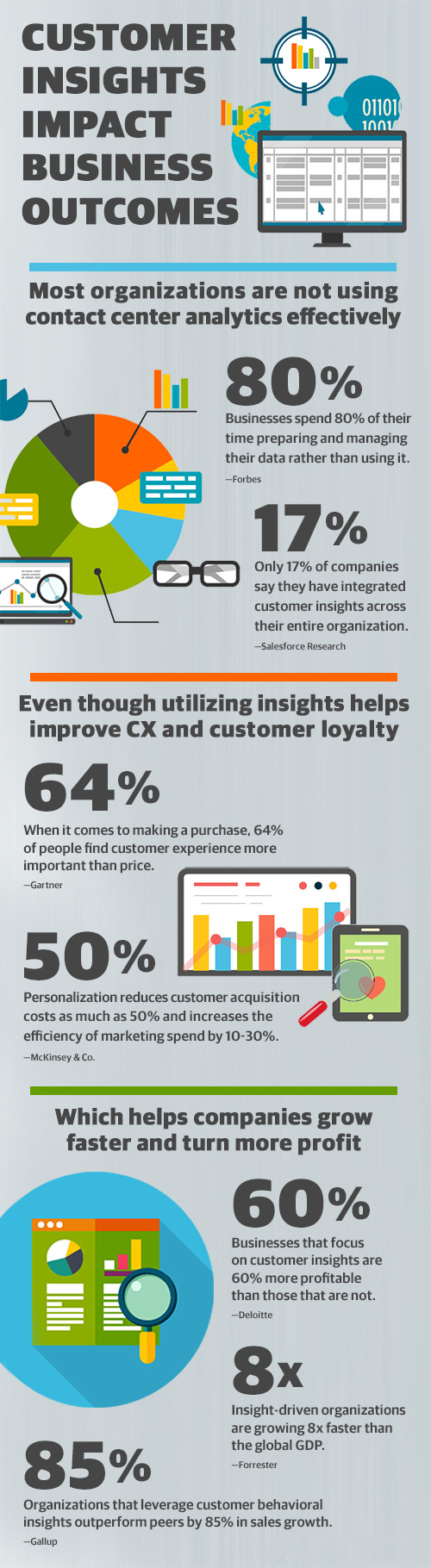
Understanding your customers through data is crucial for improving sales outcomes. By leveraging data analytics, businesses can gain valuable insights into customer behavior, preferences, and purchasing patterns. This understanding allows companies to tailor their sales strategies to meet the specific needs and expectations of their customers, ultimately leading to improved sales performance.
Building Customer Profiles
Building detailed customer profiles is an essential aspect of understanding your customer through data. By analyzing demographic information, purchasing history, and online behavior, businesses can create comprehensive profiles that capture the unique characteristics and preferences of their customer base. These profiles serve as a valuable resource for guiding sales and marketing efforts, enabling businesses to target the right audience with the right message at the right time.
Predicting Customer Behavior
Predicting customer behavior through data analytics empowers businesses to anticipate the needs and preferences of their customers. By identifying patterns and trends in customer data, companies can forecast future purchasing behavior and tailor their sales strategies accordingly. This proactive approach allows businesses to anticipate customer needs and provide personalized experiences, ultimately driving sales and fostering customer loyalty.
Credit: www.ttec.com
Optimizing Pricing Strategies
Enhance sales outcomes through data analytics-driven pricing strategies. By leveraging data insights, businesses can optimize pricing models to align with market demand and consumer behavior, ultimately boosting revenue and market competitiveness.
Competitive Analysis
To optimize your pricing strategy, you need to understand your competition. Conduct a competitive analysis to identify how your competitors are pricing their products or services. This will help you determine if you need to adjust your prices to remain competitive.
You can also use a competitive analysis to identify gaps in the market that your business can fill. For example, if your competitors are all offering similar products at similar prices, you could differentiate your business by offering a premium product at a higher price point.
Dynamic Pricing Models
Dynamic pricing models allow you to adjust your prices in real time based on changes in supply and demand. This can help you maximize revenue by charging higher prices during peak periods and lower prices during slower periods.
To implement a dynamic pricing model, you will need to collect data on customer behavior, market trends, and other factors that impact demand for your products or services. This data can then be used to develop algorithms that automatically adjust your prices based on these factors.
Optimizing your pricing strategy is a critical component of improving your sales outcomes. By conducting a competitive analysis and implementing a dynamic pricing model, you can ensure that your prices remain competitive and maximize revenue.
Enhancing Sales Processes
Using data analytics is a powerful way to enhance sales processes and improve sales outcomes. By analyzing customer behavior and sales data, businesses can gain insights into their customers’ needs and preferences, and adjust their sales strategies accordingly to increase revenue and customer satisfaction.
When it comes to boosting sales outcomes, enhancing sales processes is crucial. By streamlining the sales funnel and automating repetitive tasks, businesses can optimize their sales efforts and improve overall efficiency. Let’s explore these strategies in more detail:
Streamlining The Sales Funnel
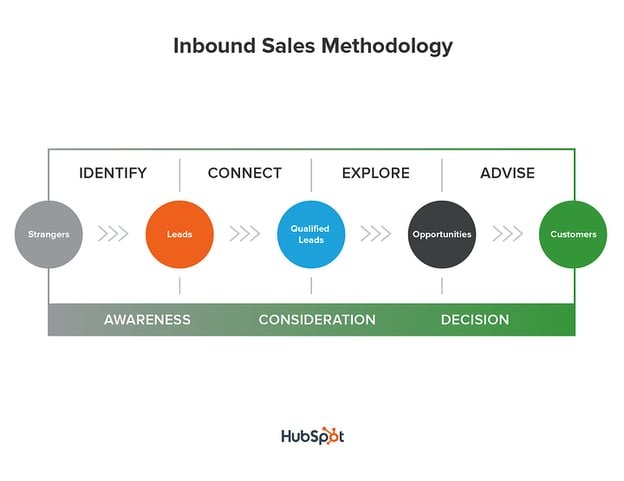
The sales funnel is a step-by-step process that potential customers go through before making a purchase. Streamlining this funnel involves optimizing each stage to ensure a smooth and efficient journey for customers. Here are some ways to achieve this:
- Identify and target high-quality leads: By utilizing data analytics, businesses can identify the characteristics of their most valuable customers and focus their efforts on attracting similar prospects.
- Personalize the customer experience: Tailoring interactions and communications based on customer preferences and behaviors helps build stronger relationships and increases the likelihood of a successful sale.
- Optimize sales collateral and messaging: Analyzing data can provide insights into what messaging and content resonates best with customers, allowing businesses to refine their sales materials for maximum impact.
- Implement effective lead nurturing: By developing automated email campaigns and targeted follow-ups, businesses can nurture leads and guide them smoothly through the sales funnel.
Automating Repetitive Tasks
Repetitive tasks can consume valuable time and resources for sales teams. By automating these tasks, businesses can free up their salespeople to focus on more high-value activities. Here are some tasks that can be automated:
- Data entry and management: Automating the process of capturing and organizing customer data reduces the risk of errors and ensures that information is up-to-date and easily accessible.
- Email and follow-up reminders: Setting up automated email sequences and reminders can help salespeople stay on top of their communication with prospects and customers.
- Lead scoring and qualification: Leveraging data analytics to automatically score and qualify leads based on predefined criteria enables sales teams to prioritize their efforts and focus on the most promising opportunities.
- Reporting and analytics: By automating the generation of sales reports and analytics, businesses can quickly assess their performance and make data-driven decisions to improve sales outcomes.
In conclusion, enhancing sales processes through streamlining the sales funnel and automating repetitive tasks can significantly improve sales outcomes. By leveraging data analytics and implementing these strategies, businesses can optimize their sales efforts, increase efficiency, and ultimately drive more revenue.
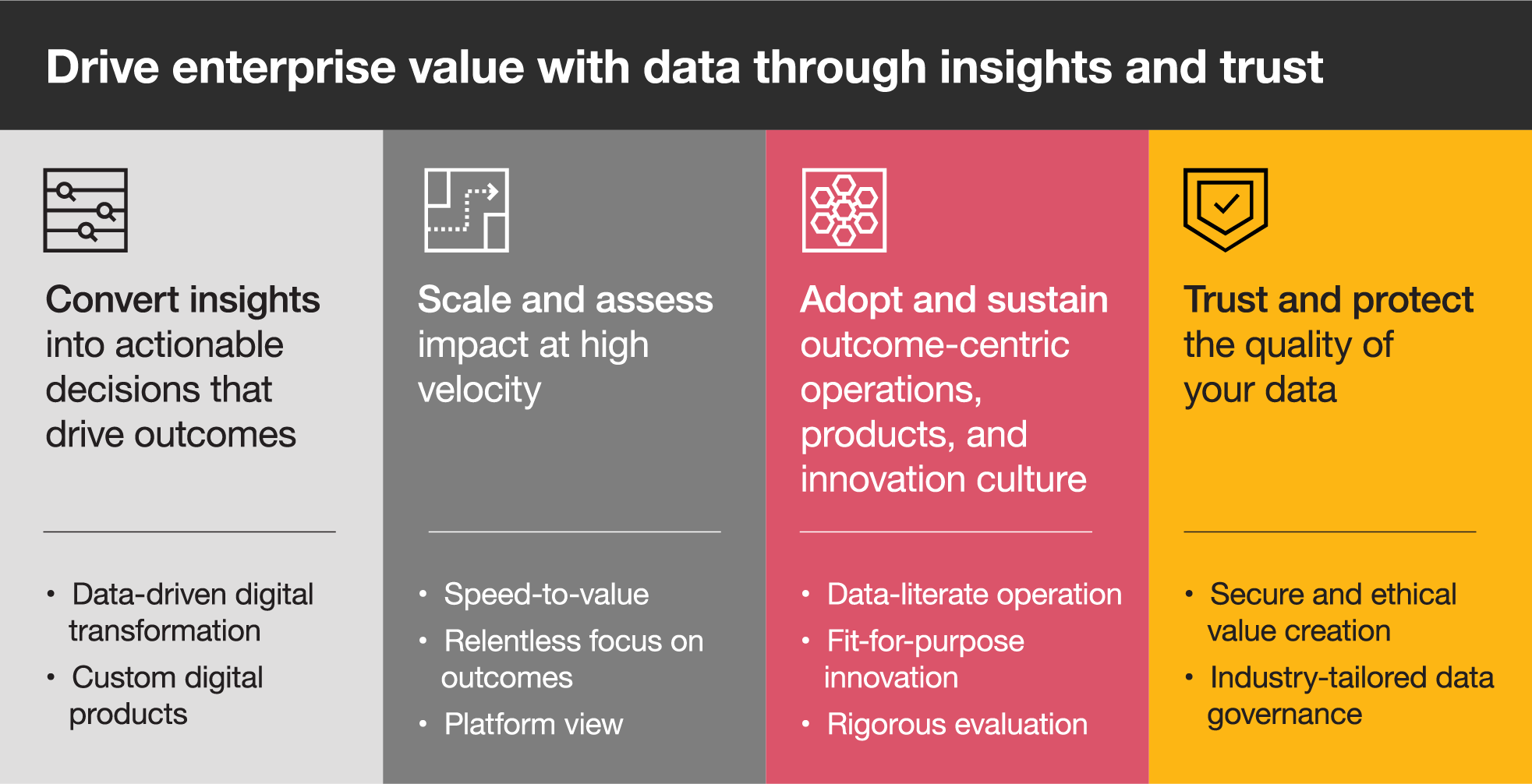
Credit: www.pwc.com
Improving Product Development
Leveraging Sales Data For Product Innovation
Utilize sales data to drive innovative product development strategies.
Identify customer trends to tailor products to market needs.
Time-to-market Reduction Techniques
Implement efficient strategies to accelerate product launches.
- Streamline internal processes for faster production.
- Collaborate closely with sales teams to align product releases.
Personalizing The Sales Experience
Personalizing the sales experience is crucial in today’s competitive market. By leveraging data analytics, businesses can create Customized Marketing Campaigns and offer Tailored Product Recommendations to enhance customer engagement and drive sales.
Customized Marketing Campaigns
Data analytics allow companies to segment their audience based on preferences and behaviors, enabling the creation of targeted campaigns that resonate with individual customers.
Tailored Product Recommendations
Through data analysis, businesses can suggest products based on past purchases and browsing history, providing a personalized shopping experience that increases the likelihood of conversion.
Measuring And Refining Your Approach
Improve your sales outcomes by leveraging data analytics to measure and refine your approach. Gain valuable insights that will help you optimize your strategies and drive more effective results.
Track sales data to identify trends and patterns.
- Monitor individual and team performance consistently.
- Review customer feedback to understand preferences.
Encourage open communication for feedback exchange.
- Implement changes based on feedback received.
- Regularly assess and adjust strategies accordingly.
Case Studies: Success Stories In Sales Analytics
Data analytics is revolutionizing sales strategies. Let’s explore real-life examples of successful sales analytics implementations:
Small Business Wins
Smith’s Bakery increased sales by 30% through targeted customer segmentation.
- Utilized customer data for personalized promotions.
- Optimized pricing strategies based on buying patterns.
Corporate Giants’ Strategies
XYZ Corporation achieved a 25% revenue boost with advanced sales analytics.
- Implemented predictive analytics for demand forecasting.
- Enhanced cross-selling opportunities through customer behavior analysis.
Future Trends In Sales Analytics
Sales analytics is evolving, with a shift towards leveraging data insights to enhance sales performance. By harnessing data analytics, businesses can gain valuable customer insights, optimize sales processes, and drive better outcomes. Embracing this trend can lead to improved decision-making and more effective sales strategies.
The Impact Of AI and Machine Learning
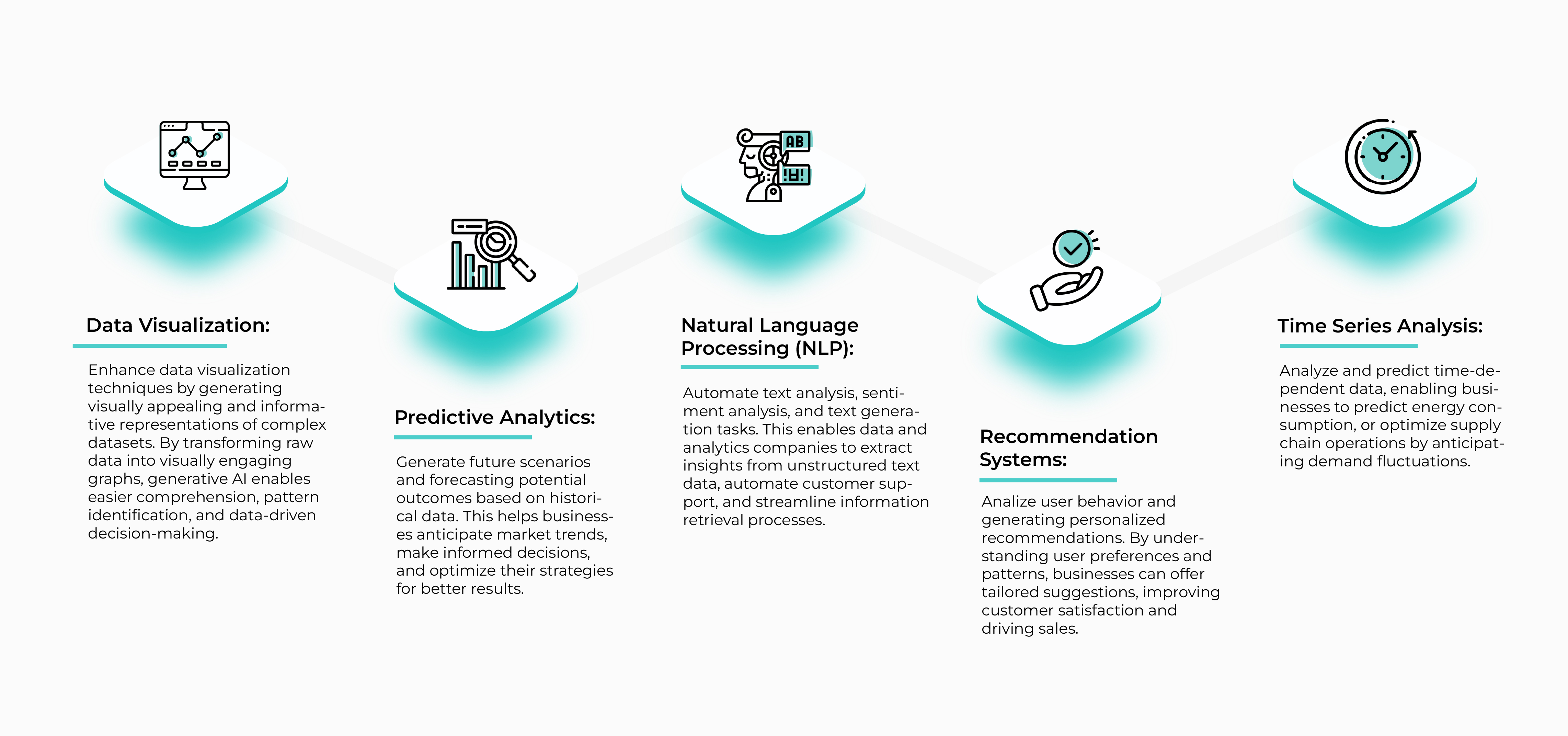
AI and Machine Learning technologies are revolutionizing the world of sales analytics. With the ability to analyze vast amounts of data in real time, AI and ML algorithms can provide valuable insights that help businesses improve their sales outcomes. These technologies can predict customer behavior, identify trends, and recommend personalized strategies for sales teams to maximize their effectiveness. By leveraging AI and ML, companies can streamline their sales processes, identify new opportunities, and make data-driven decisions that drive revenue growth.
Emerging Technologies To Watch
In addition to AI and Machine Learning, there are several other emerging technologies that are shaping the future of sales analytics. These technologies include:
- Internet of Things (IoT): IoT devices can collect data on customer interactions, product usage, and other relevant metrics, providing valuable insights for sales teams.
- Big Data Analytics: With the increasing volume and variety of data available, big data analytics tools can help businesses uncover patterns, correlations, and hidden opportunities to improve sales outcomes.
- Virtual Reality (VR) and Augmented Reality (AR): VR and AR technologies can enhance the sales experience by allowing customers to visualize products, try them virtually, and make informed purchasing decisions.
- Blockchain: Blockchain technology can enhance transparency, security, and trust in sales transactions, enabling more efficient and secure sales processes.
These emerging technologies have the potential to transform the way companies approach sales analytics, providing new avenues for growth and innovation.
In conclusion, the future of sales analytics is bright, with AI, Machine Learning, IoT, Big Data Analytics, VR, AR, and Blockchain leading the way. By embracing these technologies and leveraging the insights they provide, businesses can gain a competitive edge, improve their sales outcomes, and stay ahead in today’s rapidly evolving marketplace.
Frequently Asked Questions
How Data Analytics Helps Sales Reps Win More Deals?
Data analytics helps sales reps win more deals by providing insights into customer behavior, preferences, and trends. This enables reps to tailor their approach, identify opportunities, and prioritize leads effectively, leading to higher conversion rates and increased sales success.
What Is A Way Sales Professionals Can Use Data To Increase Sales?
Sales professionals can use data to increase sales by analyzing customer behavior, identifying patterns, and targeting specific segments. By understanding customer preferences, sales professionals can personalize their approach, optimize pricing strategies, and improve customer satisfaction. Data-driven insights also help in forecasting demand, identifying upselling opportunities, and making informed decisions to drive sales growth.
How Can Leveraging Data Analytics Contribute To Effective Sales Strategies?
Leveraging data analytics improves sales strategies by providing valuable insights for decision-making. It helps identify customer preferences, trends, and buying patterns, enabling businesses to target the right audience and personalize their approach. This data-driven approach enhances customer satisfaction, increases conversion rates, and drives revenue growth.
Why Is Data Analysis Important In Sales?
Data analysis in sales is crucial for identifying trends, customer preferences, and performance indicators. It helps in making informed decisions, optimizing strategies, and improving sales effectiveness. By understanding customer behavior and market dynamics, businesses can enhance their sales processes and drive better results.
Conclusion
Incorporating data analytics can drive sales growth by providing valuable insights for informed decision-making. By leveraging customer behavior patterns and market trends, businesses can tailor their strategies to meet the needs of their target audience. With data-driven approaches, companies can enhance customer satisfaction and boost revenue, ultimately leading to long-term success.