



How to Use CRM Data to Predict Customer Behavior
Imagine knowing what your customers will do before they do it—whether they’ll make a purchase, churn, or need support.
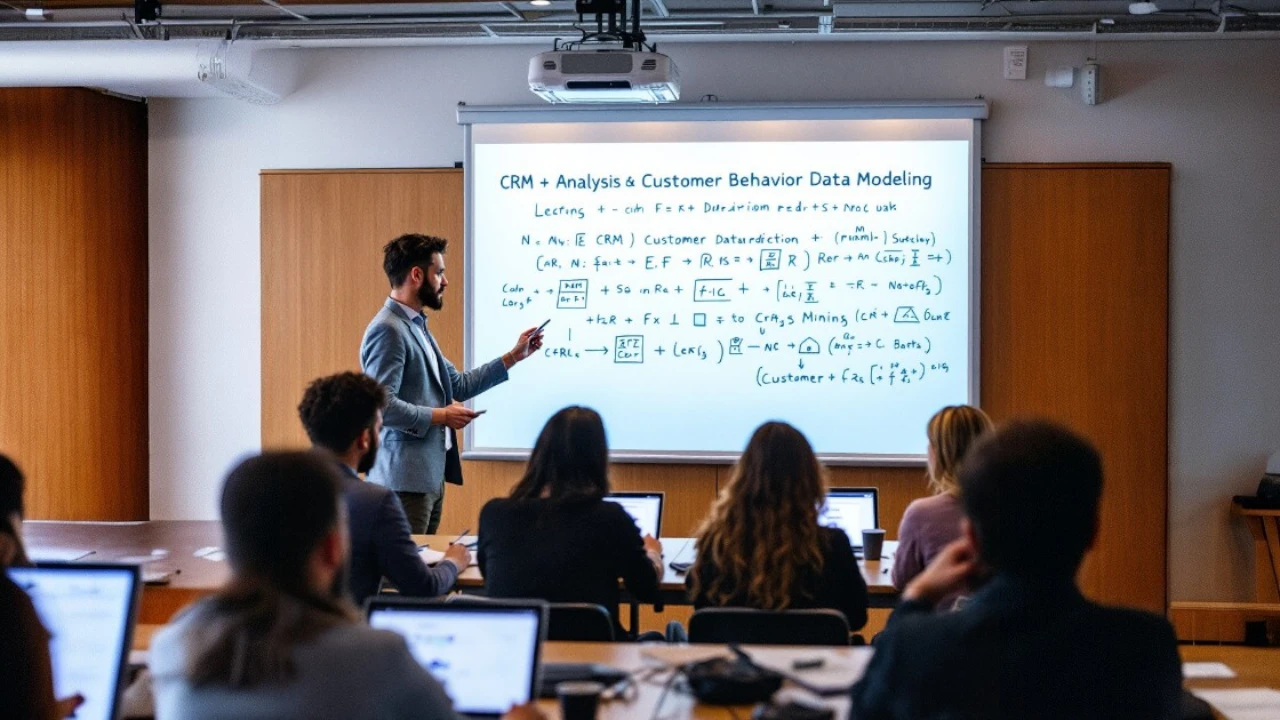
Imagine knowing what your customers will do before they do it—whether they’ll make a purchase, churn, or need support. With the right CRM data analysis, this isn’t just possible—it’s a game-changer for businesses.
Customer Relationship Management (CRM) systems store a wealth of data—purchase history, engagement metrics, support interactions, and more. But raw data alone isn’t enough. The real power lies in predicting customer behavior to drive smarter decisions.
In this guide, we’ll break down how to turn CRM data into actionable insights, forecast trends, and stay ahead of customer needs.
Why Predicting Customer Behavior Matters
Understanding future customer actions helps businesses:
- Increase sales by targeting high-intent buyers.
- Reduce churn by identifying at-risk customers early.
- Personalize marketing for higher engagement.
- Optimize inventory based on anticipated demand.
Companies using predictive analytics see 73% higher customer satisfaction and 20% more sales (Forbes).
Key CRM Data Points for Predictive Analysis
Not all data is equally valuable. Focus on these critical CRM metrics:
Purchase History & Frequency
- What products do they buy?
- How often do they purchase?
- What’s their average order value?
Engagement Metrics
- Email open/click rates
- Website visits & time spent
- Social media interactions
Customer Support Interactions
- Ticket frequency & resolution time
- Sentiment analysis (positive/negative feedback)
Demographic & Firmographic Data
- Age, location, job title (B2C)
- Company size, industry (B2B)
How to Predict Customer Behavior Using CRM Data
Identify Patterns with Segmentation
Group customers based on behavior, such as:
- High-value repeat buyers
- At-risk churn candidates
- Inactive users needing re-engagement
Example: If customers who don’t open emails for 60 days rarely return, flag them for a win-back campaign.
Apply Predictive Lead Scoring
Not all leads are equal. Use CRM data to score leads based on:
- Engagement level (website visits, email clicks)
- Demographic fit (industry, company size)
- Past conversions (similar leads who bought)
Tools like HubSpot and Salesforce Einstein automate this process.
Forecast Churn Before It Happens
Predict at-risk customers by tracking:
- Declining engagement (fewer logins, ignored emails)
- Increased support tickets (frustration signals)
- Competitor interactions (checking rival brands)
Proactively offer discounts or check-ins to retain them.
Anticipate Upsell & Cross-Sell Opportunities
Customers who buy Product A often need Product B. Use association rule mining to recommend:
- Complementary products (phone case with a phone)
- Subscription upgrades (premium plans)
Amazon’s “Frequently bought together” is a perfect example.
Leverage AI & Machine Learning
Advanced CRMs use AI to:
- Predict lifetime value (LTV)
- Automate next-best-action suggestions
- Detect fraud risks
Example: Zoho CRM’s AI forecasts deal closures based on historical data.
Best Tools for CRM Predictive Analytics
| Tool | Key Feature |
|---|---|
| Salesforce Einstein | AI-powered forecasts & insights |
| HubSpot Predictive Lead Scoring | Scores leads automatically |
| Zoho Analytics | Custom reports & trend analysis |
| Microsoft Dynamics 365 | Churn prediction & sales forecasting |
Common Mistakes to Avoid
❌ Ignoring data hygiene – Inaccurate data leads to flawed predictions.
❌ Overlooking qualitative insights – Surveys & feedback add context.
❌ Failing to act on predictions – Data is useless without execution.
Real-World Success Stories
Netflix’s Recommendation Engine
By analyzing viewing history, Netflix predicts what users will watch next—driving 80% of streamed content.
Starbucks’ Personalized Offers
Their CRM tracks purchase habits to send hyper-targeted discounts, increasing repeat visits.
Frequently Asked Questions
Can small businesses use CRM predictive analytics?
Yes! Tools like HubSpot and Zoho CRM offer affordable predictive features.
How accurate are CRM predictions?
With clean data, accuracy exceeds 70-90% for trends like churn and sales.
Do I need AI for predictive analytics?
No—basic trend analysis works, but AI improves precision.
What’s the biggest challenge in predicting behavior?
Data silos—integrating CRM with other tools (ERP, email) maximizes insights.
How often should we update predictions?
Review monthly for trends, but real-time alerts (e.g., churn risks) are ideal.
Final Thoughts
CRM data isn’t just a record of past interactions—it’s a crystal ball for future customer behavior. By applying segmentation, predictive scoring, and AI, businesses can anticipate needs, reduce churn, and boost revenue.
Ready to predict your customers’ next move? Start analyzing your CRM data today—your future sales depend on it.
The companies winning today aren’t just reacting—they’re predicting. Will you be one of them?