



How to Measure Marketing Campaign Success Effectively


To measure the success of your marketing campaigns, track key performance indicators and analyze data. Use tools like Google Analytics to monitor website traffic and conversion rates.
Additionally, assess social media engagement and email open rates for valuable insights. Determining the return on investment (ROI) is crucial for evaluating campaign effectiveness. By measuring these metrics, you can refine your strategies and optimize future marketing efforts for greater success.
Marketing campaign success can be measured through various key performance indicators and data analysis. Monitoring website traffic, conversion rates, social media engagement, email open rates, and ROI are essential for evaluating effectiveness and refining strategies. With the right metrics and tools, you can optimize your marketing efforts for greater success.
Introduction To Marketing Metrics
The Importance Of Tracking Success
Measuring the success of your marketing campaigns is essential for making informed decisions and optimizing your strategies. Tracking the performance of your marketing efforts allows you to identify what is working well and what needs improvement. By monitoring specific metrics, you can gain valuable insights into the effectiveness of your campaigns and allocate resources more efficiently.
Key Performance Indicators (kpis)
Key Performance Indicators (KPIs) are quantifiable measures that help gauge the performance of your marketing activities. These indicators provide valuable data on various aspects of your campaigns, such as audience engagement, conversion rates, and return on investment. By setting clear KPIs, you can align your marketing efforts with your business objectives and track progress towards achieving your goals.
Credit: www.slideteam.net
Setting Clear Campaign Goals
Setting clear campaign goals is crucial for measuring the success of your marketing campaigns. By establishing specific and measurable objectives, you can effectively evaluate the performance of your campaigns and make informed decisions for future strategies. With a well-defined goal, you can track key metrics, analyze data, and optimize your marketing efforts to drive better results.
Setting clear campaign goals is essential for measuring the success of your marketing campaigns. By defining specific, measurable, achievable, relevant, and time-bound (SMART) objectives, you can effectively track the progress and impact of your marketing efforts. Let’s delve into each aspect of SMART objectives to help you align your goals with your business objectives.
Specific
When setting campaign goals, it’s important to be specific. Instead of a vague goal like “increase website traffic,” set a specific target like “increase website traffic by 20% within three months.” This specificity allows you to track your progress accurately and determine the success of your marketing campaigns.
Measurable
Measuring the outcomes of your marketing campaigns is crucial for evaluating their success. Ensure your goals are measurable by using quantifiable metrics. For example, rather than stating “improve brand awareness,” set a goal like “increase brand mentions on social media by 30%.” This way, you can easily assess whether you have achieved your desired results.
Achievable
While it’s important to aim high, it’s equally essential to set goals that are achievable. Unrealistic goals can lead to frustration and disappointment. Consider your available resources, budget, and current performance when defining your campaign goals. By setting achievable objectives, you can maintain motivation and track your progress effectively.
Relevant
Your campaign goals should align with your overall business objectives. Ensure that your marketing efforts are directly relevant to your business’s growth and success. For example, if your business objective is to increase sales, your campaign goal could be to generate a specific number of leads or conversions. This relevance ensures that your marketing campaigns contribute meaningfully to your business’s bottom line.
Time-bound
Setting a clear timeframe for achieving your campaign goals provides a sense of urgency and helps you stay focused. Instead of leaving goals open-ended, establish specific deadlines. For instance, you might set a goal to increase email subscribers by 15% within two months. This time-bound approach enables you to assess the effectiveness of your marketing campaigns within a defined period.
Aligning Goals With Business Objectives
When setting your campaign goals, it’s vital to align them with your overall business objectives. Your marketing efforts should contribute directly to the growth and success of your business. By ensuring that your goals are specific, measurable, achievable, relevant, and time-bound, you can effectively measure the success of your marketing campaigns and make data-driven decisions to optimize your future strategies.
Understanding Different Types Of Metrics
Quantitative Vs. Qualitative Metrics
Quantitative metrics involve numerical data and measurable statistics, while qualitative metrics focus on subjective and descriptive information.
Behavioral Vs. Attitudinal Metrics
Behavioral metrics track actions and engagements, such as clicks and conversions, whereas attitudinal metrics measure perceptions and attitudes, often obtained through surveys and feedback.
Digital Marketing Analytics Tools
Digital marketing analytics tools provide valuable insights into the success of your campaigns. By tracking key metrics such as website traffic, conversion rates, and customer engagement, you can measure the effectiveness of your marketing efforts and make data-driven decisions to optimize your strategy.
Measuring the success of your marketing campaigns is crucial to understand what works and what doesn’t. Digital Marketing Analytics Tools help you track and analyze the performance of your marketing campaigns. By leveraging these tools, you can make data-driven decisions, optimize your campaigns, and improve your ROI. In this post, we’ll focus on the subheading “Digital Marketing Analytics Tools” and explore two essential aspects of it – Popular Analytics Platforms and Integrating Multiple Data Sources.Popular Analytics Platforms
There are several digital marketing analytics platforms available in the market. These platforms offer a range of features and functionalities to help you measure and analyze your marketing campaigns. Here are some popular analytics platforms that you can consider:| Analytics Platform | Key Features |
|---|---|
| Google Analytics | Free, easy to use, tracks website traffic, provides insights on user behavior, tracks conversion rates, integrates with Google Ads |
| Adobe Analytics | Advanced analytics features, tracks customer journeys, provides real-time data, offers predictive analytics, integrates with Adobe Marketing Cloud |
| IBM Digital Analytics | Offers web and mobile analytics, tracks customer behavior, provides insights on customer segmentation, offers real-time data, integrates with IBM Marketing Cloud |
Integrating Multiple Data Sources
Integrating multiple data sources is essential to get a complete picture of your marketing campaigns. By combining data from different sources, you can identify patterns, trends, and insights that you might miss by analyzing data from a single source. Here are some data sources that you can integrate:- Website Analytics
- Social Media Analytics
- Email Marketing Analytics
- Advertising Analytics
- Sales Data
Analyzing Audience Engagement
Measuring the success of your marketing campaigns goes beyond just tracking the number of leads generated or sales made. It’s equally important to analyze audience engagement to understand how effectively your marketing efforts are resonating with your target audience. By diving into key metrics such as social media engagement, email campaign analysis, and website traffic and user behavior, you can gain valuable insights into the impact of your marketing strategies.
Social Media Metrics
When it comes to audience engagement, social media platforms play a crucial role. Monitoring social media metrics can provide valuable insights into how your audience is interacting with your content. Here are some key metrics to consider:
- Number of likes, comments, and shares: These metrics indicate the level of engagement your social media posts are generating. A higher number of interactions demonstrates that your content is resonating with your audience.
- Click-through rate (CTR): Tracking the CTR helps you understand how effective your social media posts are in driving traffic to your website or landing pages. A higher CTR indicates that your audience is interested in learning more about your offerings.
- Follower growth: Monitoring the growth of your social media followers can help you gauge the overall reach and popularity of your brand. Increasing followers indicate a growing audience base.
Email Campaign Analysis
Email marketing remains a powerful tool for engaging with your audience. Analyzing the performance of your email campaigns can provide insights into the effectiveness of your messaging and targeting. Consider the following metrics:
- Open rate: The open rate measures the percentage of recipients who opened your email. A higher open rate suggests that your subject line and sender name are compelling enough to grab your audience’s attention.
- Click-through rate (CTR): The CTR for email campaigns measures the percentage of recipients who clicked on a link within your email. It indicates the level of interest in your offer and the effectiveness of your call-to-action.
- Conversion rate: Tracking the conversion rate helps you understand how many recipients took the desired action after clicking through your email. It provides insights into the effectiveness of your email content and offers.
Website Traffic And User Behavior
Analyzing website traffic and user behavior allows you to understand how visitors are engaging with your website and whether they are taking the desired actions. Consider the following metrics:
- Number of visitors: Tracking the number of visitors to your website provides a baseline for measuring engagement. Increasing visitor numbers indicate a growing interest in your brand.
- Time on page: The average time visitors spend on your website indicates the level of engagement and interest in your content. Longer time on page suggests that visitors find your content valuable.
- Conversion rate: The conversion rate measures the percentage of visitors who complete a desired action, such as making a purchase or filling out a form. A higher conversion rate indicates the effectiveness of your website in driving desired actions.

Credit: www.earlybirdstrategy.com
Evaluating Conversion Metrics
Measuring the success of your marketing campaigns is crucial, and evaluating conversion metrics can help you do just that. By tracking metrics such as click-through rates, conversion rates, and bounce rates, you can gain insights into your campaign’s effectiveness and make informed decisions to improve your marketing strategy.
Lead Generation And Conversion Rates
Lead generation involves attracting potential customers and nurturing them into leads.
Conversion rates measure the percentage of leads who take the desired action.
Cost Per Acquisition
Cost per acquisition determines the expense to acquire a new customer.
Customer Lifetime Value
Customer lifetime value calculates the revenue a customer generates over their lifespan.
Roi: The Ultimate Performance Indicator
ROI, the ultimate performance indicator, provides valuable insights into the success of your marketing campaigns. By measuring the return on investment, you can gauge the effectiveness of your strategies and make data-driven decisions to optimize future campaigns. Track your ROI to ensure your marketing efforts are delivering tangible results and driving business growth.
Calculating Return On Investment
Return on Investment (ROI) is the ultimate performance indicator for measuring marketing campaign success. It helps determine the profitability of your efforts.
Comparing Roi Across Different Campaigns
When comparing ROI across campaigns, consider the total revenue generated and the total costs incurred for each campaign.
A/b Testing For Campaign Improvement
Evaluate the effectiveness of your marketing campaigns with A/B testing, a method that compares two versions of a campaign to determine which one performs better. By analyzing the results, you can make data-driven decisions to optimize your strategies and achieve greater success.
Designing Effective Tests
A/B testing lets you compare two versions of a campaign element.Interpreting Test Results
Analyze data to determine the winning variant for optimization.A/B Testing for Campaign Improvement: A/B testing compares two versions of a campaign element to determine which one performs better.Designing Effective Tests
Create variations with one key difference for accurate results.Interpreting Test Results
Analyze metrics to identify the winning variant for campaign success.Leveraging Customer Feedback
To measure the success of your marketing campaigns, leveraging customer feedback is crucial. Collecting and analyzing feedback from customers provides valuable insights into the effectiveness of your marketing efforts. By monitoring customer feedback, you can gauge the impact of your campaigns and make data-driven decisions to optimize future marketing strategies.
Surveys And Customer Interviews
Leverage surveys and interviews to gather direct customer feedback.Net Promoter Score (nps)
Use NPS to assess customer loyalty and satisfaction levels.Customer feedback is crucial for measuring marketing campaign success. Surveys and interviews provide direct insights. NPS helps gauge customer loyalty and satisfaction.Long-term Impact Assessment
Measuring the success of your marketing campaigns goes beyond just analyzing short-term results. It is essential to assess the long-term impact of your efforts to understand the true effectiveness of your marketing strategies. By evaluating the long-term effects, you can gain valuable insights into how your campaigns have influenced brand awareness, customer perception, and loyalty. Let’s delve into two crucial aspects of long-term impact assessment: brand awareness and perception, and customer retention and loyalty metrics.
Brand Awareness And Perception
Brand awareness refers to the level of familiarity and recognition your target audience has with your brand. It is a vital metric to gauge the success of your marketing campaigns. By tracking brand awareness over time, you can determine if your efforts have effectively increased your brand’s visibility and recognition in the market.
Measuring brand awareness can be done through various methods, such as surveys, social media monitoring, and website analytics. Surveys can help you assess the level of brand recall and recognition among your target audience. Social media monitoring allows you to track mentions, shares, and engagement with your brand’s content, providing insights into the reach and impact of your campaigns. Additionally, website analytics can help you analyze the traffic and behavior of visitors to your website, indicating the effectiveness of your brand messaging and positioning.
Customer perception is closely linked to brand awareness. It refers to how your target audience perceives your brand, its values, and its offerings. Understanding customer perception is essential to ensure that your marketing campaigns align with your desired brand image.
To measure customer perception, you can conduct surveys or gather feedback through customer reviews and testimonials. These insights can help you identify any gaps between your intended brand image and how your customers perceive your brand. By addressing these gaps, you can refine your marketing strategies to better align with your desired brand perception.
Customer Retention And Loyalty Metrics
Customer retention and loyalty are critical indicators of the long-term success of your marketing campaigns. Fostering customer loyalty can lead to repeat purchases, positive word-of-mouth, and increased customer lifetime value.
Tracking customer retention can be done by analyzing customer churn rate, which measures the percentage of customers who stop using your products or services over a specific period. A low churn rate indicates that your marketing efforts are successful in retaining customers and building loyalty.
Loyalty metrics, such as customer satisfaction scores, Net Promoter Score (NPS), and customer lifetime value, provide insights into the level of loyalty your customers have towards your brand. These metrics can help you identify areas for improvement and develop strategies to increase customer loyalty.
By focusing on long-term impact assessment, you can gain a comprehensive understanding of how your marketing campaigns are influencing brand awareness, customer perception, and loyalty. Continuously evaluating these aspects allows you to adapt your strategies and ensure long-term success in a competitive market.
Reporting And Communicating Success
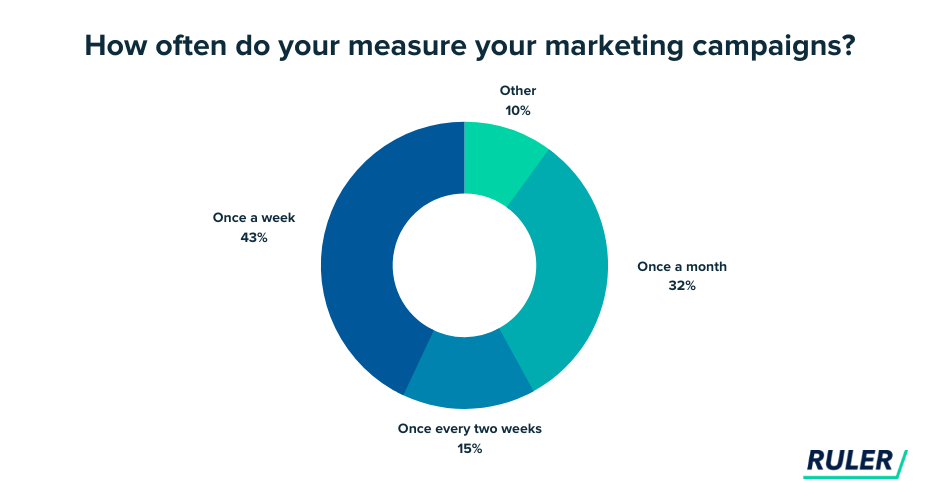
Measure the success of your marketing campaigns by reporting and communicating key metrics. Analyze data such as conversion rates, click-through rates, and social media engagement to gauge the effectiveness of your strategies. Communicate these results clearly to stakeholders, highlighting the achievements and areas for improvement.
Once you have implemented your marketing campaigns, it is important to measure their success. Reporting and communicating the success of your campaigns is crucial to gain valuable insights and make data-driven decisions for future campaigns. In this post, we will focus on the subheading of reporting and communicating success and explore how to create compelling reports and stakeholder presentations that effectively communicate the success of your marketing campaigns.Creating Compelling Reports
When creating reports, it is essential to provide meaningful data that highlights the performance of your marketing campaigns. Here are some tips to help you create compelling reports:- Include clear and concise data that is easy to interpret
- Visualize your data with graphs, charts, and tables for easy understanding
- Highlight the key performance indicators (KPIs) that matter the most to your stakeholders
- Provide insights and recommendations for future campaigns based on the data
Stakeholder Presentations
Stakeholder presentations are an excellent way to communicate the success of your marketing campaigns to decision-makers in your organization. Here are some tips to help you create effective stakeholder presentations:- Focus on the most critical data and insights that will be most impactful to your stakeholders
- Use visuals to present your data and insights in an engaging and memorable way
- Provide context for your data, explaining what it means and why it matters
- Be prepared to answer questions and provide additional details about your campaigns
Credit: www.ruleranalytics.com
Continuously Improving Marketing Strategies
Learning From Campaign Data
By analyzing the performance data from your marketing campaigns, you can gain valuable insights into what has worked well and what has not. Identify the key metrics such as conversion rates, click-through rates, and engagement levels to understand the effectiveness of your campaigns.
Use tools like Google Analytics to track user behavior and demographics, and draw conclusions about which audience segments are responding positively to your messaging. Leverage this information to refine your target audience and tailor your future campaigns more effectively.
Implementing Changes For Future Campaigns
Based on the insights gleaned from the campaign data, it’s essential to make data-driven decisions to enhance your marketing strategies. Adjust your messaging, imagery, or targeting to better resonate with your audience. Test different approaches and closely monitor the results to determine the most impactful changes.
Consider A/B testing variations of your ads or content to see which performs better, and use this data to inform your future campaigns. Continuously evaluating and adapting your strategies based on these insights will help you stay ahead in the ever-evolving landscape of digital marketing.
Frequently Asked Questions
How To Measure A Successful Marketing Campaign?
To measure a successful marketing campaign, track key performance indicators (KPIs) like website traffic, lead generation, and sales. Analyze data to see how the campaign performed against goals and adjust future strategies accordingly. Use tools like Google Analytics and customer feedback to inform decision-making.
How Do You Measure The Success Of A Direct Marketing Campaign?
You measure the success of a direct marketing campaign by tracking response rates, conversion rates, and return on investment. Analyzing customer acquisition cost and lifetime value also helps in evaluating the campaign’s effectiveness.
How To Measure Success Of A Traditional Marketing Campaign?
To measure the success of a traditional marketing campaign, track key performance indicators (KPIs) like brand awareness, customer engagement, and sales conversions. Use tools like surveys, website analytics, and social media metrics to gather data. Analyze the results regularly to make informed decisions and optimize your campaign for better results.
What Kpis Do You Use To Measure The Effectiveness Of The Campaigns?
Common KPIs for campaign effectiveness include CTR, conversion rate, ROI, engagement metrics, and customer acquisition cost.
Conclusion
Measuring the success of your marketing campaigns is crucial for optimizing your strategies and achieving your goals. By carefully tracking key performance indicators, analyzing data, and adapting your approach, you can determine which campaigns are delivering results and make informed decisions for future marketing efforts.
Remember to regularly evaluate and refine your measurement methods to stay ahead in this dynamic digital landscape. Stay proactive, stay data-driven, and watch your marketing campaigns thrive!