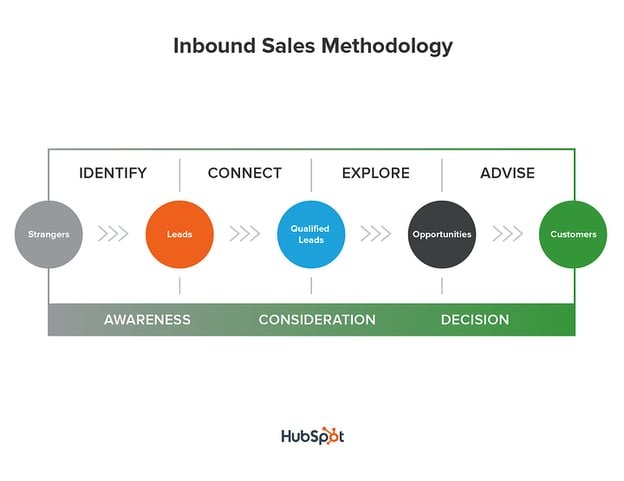




How to Develop a Winning Sales Strategy: Boost Profits Now!

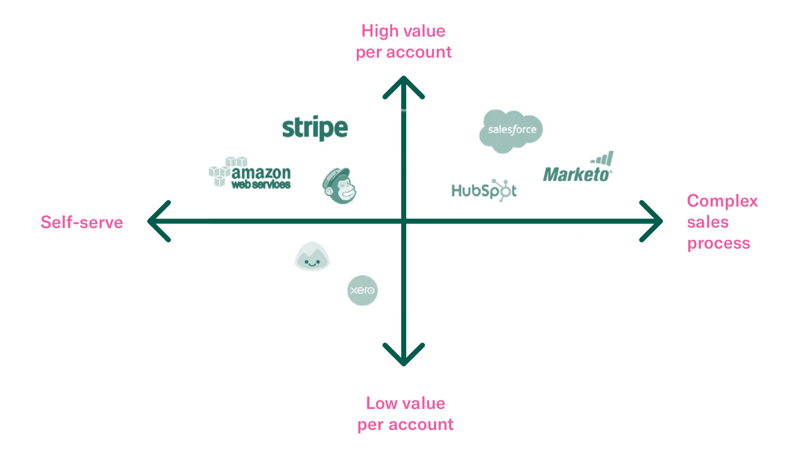
To develop a winning sales strategy, focus on understanding your target audience, setting clear goals, and implementing effective tactics. A well-rounded introduction to developing a winning sales strategy involves a combination of careful planning, thorough market research, and strategic execution.
By understanding your target audience’s needs and preferences, you can tailor your approach to effectively address their pain points and provide solutions. Setting clear, measurable goals helps to keep your team focused and motivated, while also providing a benchmark for success.
Additionally, implementing effective tactics such as proper training, lead generation, and effective communication strategies can significantly enhance your chances of achieving sales success. With these key elements in place, you can develop a winning sales strategy that drives growth and boosts your bottom line.
Introduction To Sales Strategy
A strong sales strategy is crucial for any business aiming to achieve long-term success. It serves as a roadmap that guides sales teams towards their goals and helps them overcome challenges along the way. In this blog post, we will explore the key components of sales success and the importance of taking a structured approach to sales strategy.
Key Components Of Sales Success
Developing a winning sales strategy requires considering several key components that contribute to sales success. These components include:
- Target Audience: Identifying the specific target audience that your product or service caters to is essential. Understanding their needs, preferences, and pain points allows you to tailor your sales approach effectively.
- Value Proposition: Clearly defining the unique value your product or service offers is crucial for convincing potential customers. Highlighting the benefits and advantages you provide over competitors helps differentiate your offering in the market.
- Sales Goals: Setting measurable and realistic sales goals provides a clear direction for your sales team. These goals can be revenue-based, customer acquisition-focused, or even centered around specific product lines.
- Sales Process: Having a well-defined sales process enables consistency and efficiency in your sales efforts. From prospecting and lead generation to closing deals and nurturing relationships, outlining each step helps optimize your team’s performance.
- Sales Training and Development: Continuous training and development of your sales team ensure they stay updated with industry trends, product knowledge, and sales techniques. Investing in their growth enhances their ability to meet sales targets.
- Metrics and Analytics: Monitoring and analyzing relevant sales metrics provide valuable insights into the effectiveness of your strategy. Tracking metrics such as conversion rates, average deal size, and sales cycle length helps identify areas for improvement.
The Importance Of A Structured Approach
A structured approach to sales strategy is essential for maximizing sales potential and achieving consistent results. By implementing a structured approach, businesses can:
- Ensure Consistency: A structured approach helps maintain consistency in your sales process, ensuring that all team members follow the same steps and standards. This consistency builds trust with customers and improves their overall experience.
- Optimize Efficiency: By defining clear processes and workflows, businesses can eliminate inefficiencies and streamline their sales operations. This leads to improved productivity and reduces the chances of missed opportunities.
- Facilitate Scalability: A structured sales strategy allows businesses to scale their sales efforts effectively. As the business grows, having a structured approach enables seamless onboarding of new team members and replicating successful sales practices.
- Enable Continuous Improvement: By tracking and analyzing sales metrics, businesses can identify areas of improvement and make data-driven decisions. A structured approach provides a solid foundation for ongoing optimization and refinement of sales strategies.
With an understanding of the key components of sales success and the importance of a structured approach, businesses can develop a winning sales strategy that drives growth and delivers sustainable results.
Identifying Your Target Market
Identifying your target market is a crucial step in developing a winning sales strategy. Without a clear understanding of who your customers are and what they need, you’ll struggle to connect with them and drive sales. In this section, we’ll explore some market research techniques and strategies for segmenting your audience.
Market Research Techniques
Market research is the process of gathering information about your target market to better understand their needs and preferences. Some effective market research techniques include:
- Surveys – Surveys allow you to gather feedback directly from your target market. You can use tools like SurveyMonkey or Google Forms to create and distribute surveys.
- Focus groups – Focus groups bring together a small group of your target market to discuss your product or service. You can use online platforms like Zoom to conduct virtual focus groups.
- Online analytics – You can use tools like Google Analytics to track user behavior on your website and social media channels. This can provide valuable insights into your target market’s preferences and interests.
Segmenting Your Audience For Tailored Strategies
Once you’ve gathered information about your target market, you can use that data to segment your audience into different groups. This allows you to tailor your sales strategy to the specific needs and preferences of each group. Some common ways to segment your audience include:
| Segmentation Criteria | Description |
|---|---|
| Demographic | Segmenting your audience based on factors like age, gender, income, and education level. |
| Psychographic | Segmenting your audience based on their personality traits, values, attitudes, and interests. |
| Behavioral | Segmenting your audience based on their buying behavior, such as their frequency of purchase, purchase history, and brand loyalty. |
By segmenting your audience and tailoring your sales strategy to each group, you can increase the effectiveness of your sales efforts and drive more revenue.
Setting Clear Sales Objectives
Setting clear sales objectives is a critical step in developing a winning sales strategy. It involves defining measurable goals that align with the overall vision of the business and contribute to its growth. In this section, we’ll explore the importance of defining SMART goals and aligning objectives with the business vision.
Defining Smart Goals
SMART goals are Specific, Measurable, Achievable, Relevant, and Time-bound. When setting sales objectives, it’s essential to ensure that they meet these criteria. Specific goals provide clarity, measurable goals enable tracking progress, achievable goals maintain motivation, relevant goals align with the business, and time-bound goals create a sense of urgency.
Aligning Objectives With Business Vision
Aligning sales objectives with the business vision ensures that the sales strategy contributes to the overall success of the organization. By integrating the sales goals with the broader vision, the team can work towards common objectives that drive growth and profitability.

Credit: www.propellercrm.com
Crafting Your Value Proposition
Crafting your value proposition is crucial for developing a winning sales strategy. By clearly defining the unique benefits and value your product or service offers, you can effectively communicate and persuade potential customers to choose your solution over competitors. Don’t underestimate the power of a well-crafted value proposition in driving sales success.
Crafting Your Value Proposition is a crucial step in developing a winning sales strategy. It is what sets your product or service apart from the competition and communicates the unique value you offer to customers. To create a compelling value proposition, you need to focus on Differentiating Your Product or Service and Communicating Value to Customers.
Differentiating Your Product or Service involves identifying the unique features and benefits that make your product or service stand out from the rest. This could be in terms of quality, price, functionality, or customer service. Once you have identified these unique selling points, you need to communicate them clearly and concisely to your target audience.
Communicating Value to Customers involves understanding their needs, wants, and pain points. You need to show them how your product or service solves their problems or fulfills their desires better than the competition. This could be through the use of testimonials, case studies, or demonstrations.
To craft a value proposition that resonates with your target audience, you need to combine these two elements effectively. You need to differentiate your product or service in a way that communicates clear value to your customers. This will help you stand out in a crowded marketplace and win more business.
In summary, Crafting Your Value Proposition is a critical step in developing a winning sales strategy. By focusing on Differentiating Your Product or Service and Communicating Value to Customers, you can create a compelling value proposition that sets you apart from the competition and resonates with your target audience.
Optimizing Sales Channels
Developing a winning sales strategy requires careful consideration of various factors, and one crucial aspect is optimizing sales channels. By selecting the right channels and integrating multi-channel strategies, businesses can effectively reach their target audience, maximize sales opportunities, and enhance overall business growth. Let’s explore these aspects in more detail.
Selecting The Right Channels
Choosing the right sales channels is essential to ensure that your products or services reach the right customers. It involves understanding your target market and identifying the channels that align with their preferences and buying habits. Here are some key considerations when selecting the right channels:
- Research your target audience to determine their preferred channels of engagement.
- Assess the strengths and weaknesses of various sales channels, such as direct sales, online marketplaces, retail partnerships, or third-party distributors.
- Analyze your competitors’ channel strategies to identify potential opportunities or gaps in the market.
- Consider the scalability and cost-effectiveness of each channel to ensure long-term viability.
Integrating Multi-channel Strategies
Integrating multi-channel strategies allows businesses to leverage the strengths of different channels and create a seamless customer experience. By utilizing multiple channels, you can expand your reach, engage with customers at various touchpoints, and increase the likelihood of conversions. Here are some tips for integrating multi-channel strategies effectively:
- Ensure consistent branding and messaging across all channels to maintain a cohesive brand identity.
- Implement robust data analytics to track customer interactions and preferences across different channels.
- Optimize your website for mobile devices to cater to the growing number of mobile shoppers.
- Offer personalized experiences by utilizing customer data to deliver targeted marketing campaigns.
- Provide seamless transitions between channels, allowing customers to switch between online and offline touchpoints effortlessly.
By selecting the right channels and integrating multi-channel strategies, businesses can position themselves for success in a competitive market. Remember, optimizing sales channels is an ongoing process that requires continuous evaluation and adaptation to changing customer needs and market trends. Stay agile and proactive in refining your sales strategy to stay ahead of the competition and achieve sustainable growth.
Building A Winning Sales Team
Effective recruitment and training processes are crucial for assembling a high-performing sales team.
During recruitment, focus on candidates with strong communication skills and a passion for sales.
Invest in continuous training to enhance product knowledge and sales techniques.
Implementing a robust performance-based incentive system motivates sales teams to excel.
Offer attractive commissions and bonuses to reward top performers.
Recognition programs and awards can also boost team morale and productivity.
Leveraging Technology For Sales Success
Embracing technology is crucial in crafting a successful sales strategy. By integrating advanced tools and analytics, businesses can streamline their operations and boost sales performance.
CRM and Sales Automation Tools
Utilizing CRM systems improves customer relationship management, enhancing communication and tracking sales activities efficiently.
Data Analytics In Sales Strategy
Data analytics empowers companies to make informed decisions, target the right audience, and optimize sales strategies for maximum effectiveness.
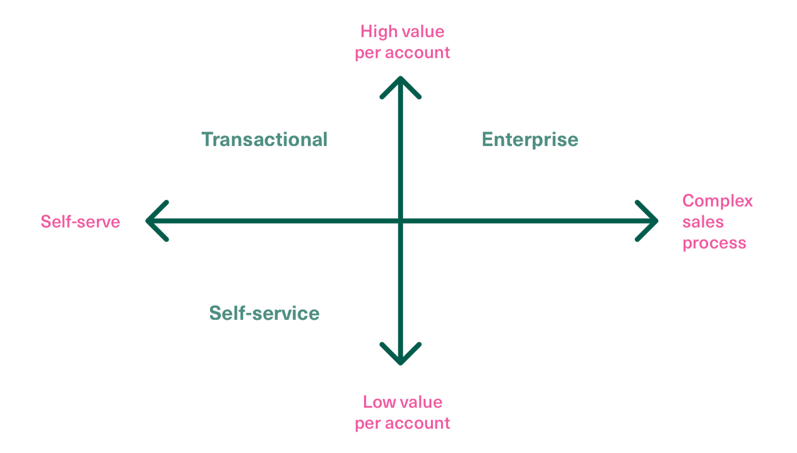
Credit: www.intercom.com
Measuring And Analyzing Sales Performance
Developing a winning sales strategy requires measuring and analyzing sales performance. By tracking key metrics, such as conversion rates and customer acquisition costs, businesses can identify areas for improvement and make data-driven decisions to increase revenue.
Key Performance Indicators (kpis)
In sales, it’s crucial to track Key Performance Indicators (KPIs) to measure success.
Continuous Improvement Through Feedback Loops
Feedback loops drive continuous improvement in sales strategies.
Conclusion: Implementing Your Strategy
To successfully implement your sales strategy, it is vital to monitor its progress and make adjustments as needed. Regularly track key performance indicators and gather feedback from your sales team to ensure that the strategy is effective and aligned with your business goals.
Continuously refine and adapt your approach to stay ahead of the competition.
Action Plan For Immediate Results
Create a sense of urgency to drive quick sales.
Long-term Strategy For Sustained Growth
Focus on building relationships for lasting success.
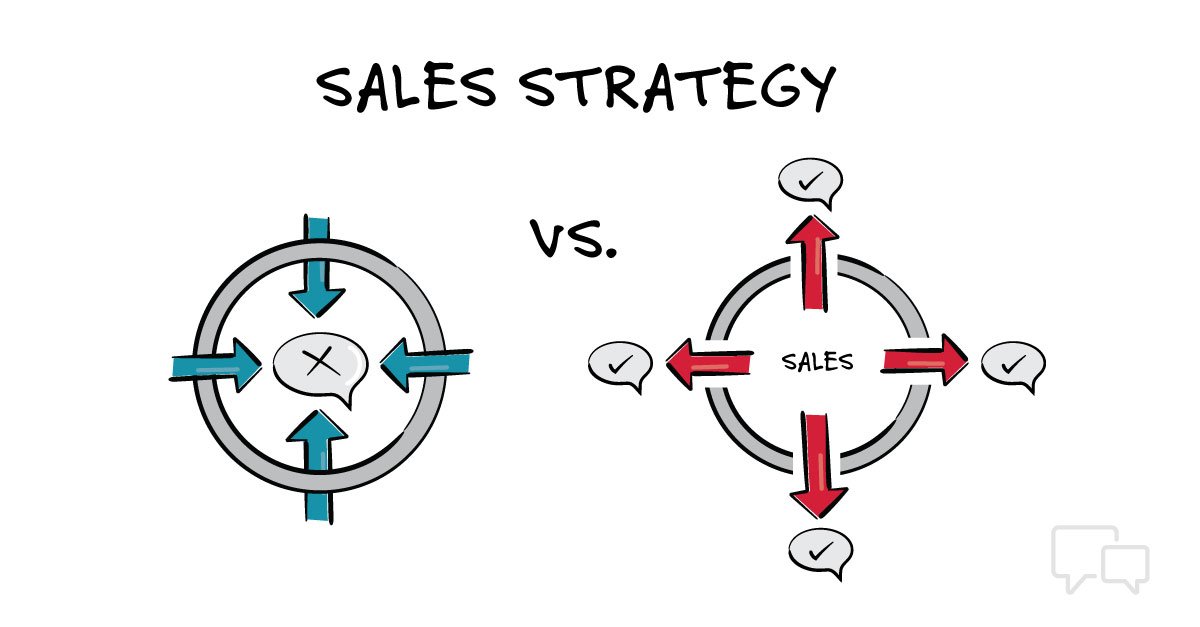
Credit: corporatevisions.com
Frequently Asked Questions
How To Create A Winning Sales Strategy?
To create a winning sales strategy, follow these steps: 1. Define your target audience and their needs 2. Set clear goals and objectives 3. Determine your unique selling proposition 4. Develop a sales plan and tactics 5. Continuously measure and adjust your strategy based on results.
What Are 7 Steps Of Sales Strategy?
The 7 steps of a sales strategy include: 1. Prospecting for potential customers. 2. Qualifying leads to determine their likelihood of purchasing. 3. Making a sales presentation to showcase the product or service. 4. Handling objections and addressing customer concerns.
5. Closing the sale by obtaining a commitment. 6. Following up with customers to ensure satisfaction. 7. Building long-term relationships through ongoing support and additional sales opportunities.
What Is The 3 2 1 Sales Strategy?
The 3 2 1 sales strategy involves reaching out to three new prospects, following up with two potential leads, and closing one sale. This approach helps sales professionals prioritize their efforts and focus on converting leads into customers.
How Do You Develop A Winning Strategy?
To develop a winning strategy, identify goals, analyze the competition, understand your audience, and choose the right tactics. Continuously monitor and adjust your strategy for optimal results.
Conclusion
Incorporating a well-crafted sales strategy is crucial for business success. By understanding your target audience and leveraging data-driven insights, you can create a winning approach. Through effective communication and a focus on customer needs, you can build lasting relationships and drive revenue.
Embrace innovation and flexibility to adapt and thrive in the competitive market landscape.