




How to Develop a Customer-Centric Sales Approach: Boost Loyalty

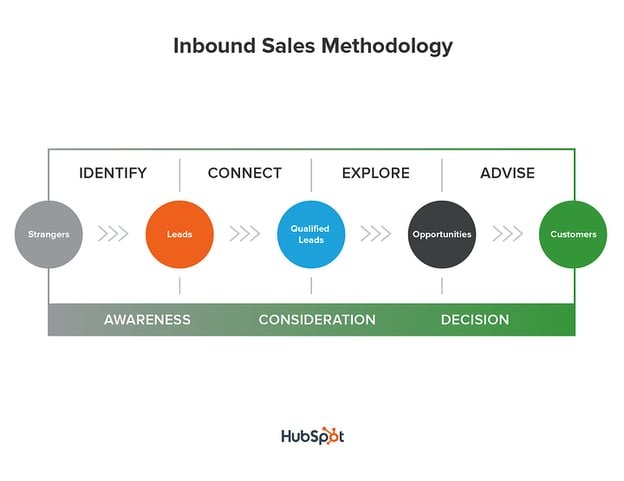
To develop a customer-centric sales approach, focus on understanding your customers’ needs and preferences, and tailor your sales strategy accordingly. By building strong relationships, providing personalized solutions, and consistently delivering exceptional customer experiences, you can create a sales approach that puts the customer at the center of your business.
In today’s highly competitive business landscape, companies are realizing the importance of adopting a customer-centric sales approach. This approach involves shifting the focus from solely promoting products or services to understanding and meeting the specific needs and expectations of customers.
By prioritizing customer satisfaction and building long-term relationships, businesses can not only increase sales but also foster customer loyalty. In this blog post, we will explore effective strategies and techniques to develop a customer-centric sales approach that can drive growth and success in any industry. So, let’s dive in and discover how you can transform your sales process to prioritize the needs of your customers.
Embracing Customer-centricity In Sales
In today’s competitive business landscape, it has become increasingly important for companies to adopt a customer-centric sales approach. Rather than focusing solely on the features and benefits of their products, successful sales professionals are shifting their mindset to prioritize the needs and preferences of their customers. Embracing customer-centricity means understanding that customers are at the heart of every transaction and tailoring sales strategies to meet their specific requirements.
The Shift From Product To Customer Focus
Gone are the days when salespeople could rely solely on product knowledge and persuasive techniques to close deals. With the rise of the internet and social media, customers now have access to vast amounts of information about products and services. As a result, they expect sales professionals to provide personalized solutions that address their unique pain points.
To successfully embrace customer-centricity, sales teams need to shift their focus from product-centric selling to customer-centric selling. This means taking the time to understand the customer’s goals, challenges, and preferences, and aligning the sales pitch accordingly. By doing so, sales professionals can build trust, establish credibility, and ultimately increase their chances of closing the deal.
Key Benefits Of A Customer-centric Approach
Adopting a customer-centric sales approach offers numerous benefits for both the salesperson and the customer. Here are some key advantages:
| Benefits for Salespeople | Benefits for Customers |
|
|
By shifting the focus from product-centricity to customer-centricity, sales professionals can create win-win situations where both parties benefit. Customers feel understood and valued, while salespeople gain a competitive edge and increase their chances of long-term success.

Credit: ascensionstrategy.com
Identifying Your Customer Base
Developing a customer-centric sales approach begins with identifying your customer base. By understanding your target audience, you can tailor your sales strategies to meet their specific needs and preferences, leading to more successful conversions and long-term customer relationships.
Segmentation For Personalized Experiences
Identifying your customer base is the first step in developing a customer-centric sales approach. By understanding who your customers are, you can tailor your sales strategy to meet their unique needs and preferences. One effective way to do this is through segmentation, which involves dividing your customer base into distinct groups based on shared characteristics such as demographics, behavior, and interests.
Once you have identified your customer segments, you can create personalized experiences for each group. For example, you might send targeted emails or offer customized product recommendations based on a customer’s past purchases or browsing history. By providing tailored experiences, you can increase customer satisfaction and loyalty, ultimately leading to more sales and revenue for your business.
Utilizing Data For Customer Insights
In order to effectively identify and segment your customer base, it’s important to gather and analyze data about your customers. This might include information such as their age, gender, location, purchase history, and online behavior. By tracking and analyzing this data, you can gain valuable insights into your customers’ preferences and needs, allowing you to tailor your sales approach accordingly.
There are a variety of tools and technologies available to help you gather and analyze customer data, such as CRM software, website analytics, and social media monitoring tools. By utilizing these tools effectively, you can gain a deeper understanding of your customers and develop more targeted and effective sales strategies.
In conclusion, identifying your customer base is a crucial first step in developing a customer-centric sales approach. By segmenting your customers and utilizing data to gain insights, you can create personalized experiences and tailor your sales approach to meet the unique needs and preferences of each customer group. This can ultimately lead to increased customer satisfaction, loyalty, and revenue for your business.
Building Relationships Over Transactions
Developing a customer-centric sales approach involves prioritizing relationships over transactions. By focusing on building strong connections with customers, businesses can foster loyalty and trust, leading to long-term success.
The Role Of Emotional Intelligence
Emotional intelligence plays a vital role in developing a customer-centric sales approach. It enables sales professionals to understand and empathize with customers’ needs and concerns, fostering deeper connections and trust.
Long-term Engagement Strategies
Implementing long-term engagement strategies is crucial for maintaining strong customer relationships. By prioritizing personalized communication and ongoing support, businesses can cultivate lasting connections and loyalty.
Active Listening And Customer Feedback
Developing a customer-centric sales approach requires active listening and soliciting customer feedback. By truly listening to their needs and concerns, businesses can tailor their sales approach to better meet the needs of their customers.
Active Listening and Customer Feedback are two crucial components of a customer-centric sales approach. Active listening involves giving full attention to the customer, understanding their concerns, and responding appropriately. Customer feedback, on the other hand, is a valuable source of information that can help sales teams improve their approach. In this blog post, we will discuss techniques for effective listening and how to incorporate customer feedback into your sales strategy.
Techniques For Effective Listening
To develop a customer-centric sales approach, it is essential to master the art of active listening. Some techniques that can help you become a better listener include:
- Give your full attention to the customer and avoid distractions.
- Ask open-ended questions that encourage the customer to share more information.
- Paraphrase what the customer has said to confirm your understanding.
- Use nonverbal cues, such as nodding and maintaining eye contact, to show that you are listening.
- Avoid interrupting the customer and allow them to finish speaking before responding.
Incorporating Feedback Into Sales Strategy
Customer feedback is a valuable tool for improving your sales strategy. Here are some steps you can take to incorporate feedback into your approach:
- Collect feedback from customers through surveys, interviews, or other means.
- Analyze the feedback to identify patterns, trends, and areas for improvement.
- Use the feedback to refine your sales strategy and address any issues or concerns raised by customers.
- Communicate the changes to your sales team and ensure they are implemented consistently.
- Continuously monitor customer feedback to ensure your sales approach remains customer-centric.
By actively listening to customers and incorporating their feedback into your sales strategy, you can develop a customer-centric approach that leads to increased customer satisfaction and sales success.
Tailoring Solutions To Customer Needs
Crafting a customer-centric sales approach involves tailoring solutions to individual needs, ensuring a personalized experience. Understanding the customer’s unique requirements and preferences allows for the development of tailored solutions that resonate with them, ultimately leading to increased satisfaction and loyalty.
Customized Offerings For Different Segments
When it comes to developing a customer-centric sales approach, one of the key factors to consider is tailoring solutions to customer needs. In order to effectively address these needs, it is essential to understand the different segments of your customer base. By segmenting your customers based on their specific characteristics, preferences, and requirements, you can create customized offerings that cater to their individual needs.
To begin with, you need to conduct thorough market research and gather data on your target audience. This data will help you identify the distinct segments within your customer base and understand their unique needs and pain points. By analyzing this information, you can develop tailored solutions that align with their preferences and provide them with the most value.
Once you have identified the different customer segments, you can start creating customized offerings for each group. This involves adapting your products or services to meet the specific requirements of each segment. For example, if you have a software product, you can develop different versions or packages with features that cater to the needs of different customer groups. By doing so, you demonstrate your commitment to addressing their specific pain points and provide them with a solution that meets their individual needs.
Adapting Sales Pitches To Customer Pain Points
In addition to customizing your offerings, it is equally important to adapt your sales pitches to address the specific pain points of your customers. By understanding their challenges and concerns, you can tailor your messaging to resonate with their needs and position your product or service as the ideal solution.
When engaging with potential customers, it is crucial to highlight the key benefits and advantages that directly address their pain points. By clearly articulating how your offering can solve their specific challenges, you establish a strong connection and build trust. This enables you to position yourself as a trusted advisor who understands their needs and can provide them with a tailored solution.
To effectively adapt your sales pitches, you need to actively listen to your customers during conversations or interactions. Pay attention to their feedback, concerns, and questions. This will provide you with valuable insights into their pain points and enable you to further refine your messaging. By incorporating their feedback into your sales pitches, you demonstrate that you genuinely care about their needs and are committed to providing them with the best solution.
In conclusion, developing a customer-centric sales approach involves tailoring solutions to customer needs. By customizing your offerings for different segments and adapting your sales pitches to address customer pain points, you can effectively engage with your audience and provide them with the solutions they truly need. This customer-centric approach not only enhances customer satisfaction but also drives sales growth and fosters long-term relationships with your customers.

Credit: pear.vc
Leveraging Technology For Customer Centricity
Developing a customer-centric sales approach requires leveraging technology to understand and anticipate customer needs. With the use of data analytics, businesses can personalize their sales strategies and provide tailored solutions that meet customer expectations. By implementing a customer-centric approach, organizations can improve customer satisfaction and loyalty, leading to increased revenue and growth opportunities.
Crm Systems And Sales Efficiency
Incorporating CRM systems streamlines customer interactions for better results.
Utilize CRM tools to track customer data and enhance sales processes.
The Power Of Data Analytics In Personalization
Leverage data analytics to create personalized customer experiences.
Analyze customer behaviors to tailor sales approaches effectively.
Training Your Team For Customer-centric Selling
Developing a customer-centric sales approach involves training your team to prioritize the needs and preferences of customers. By focusing on building relationships and understanding customer pain points, your team can effectively tailor their sales strategies and provide personalized solutions to drive customer satisfaction and loyalty.
Developing A Customer-focused Mindset
Encourage empathy and understanding in your team members.
Train them to actively listen to customers’ needs.
Teach them to prioritize customer satisfaction above all.
Best Practices for Customer-Centric Training Programs
Best Practices For Customer-centric Training Programs
Implement interactive workshops and role-playing exercises.
Provide ongoing coaching and feedback sessions.
Utilize real-life scenarios to enhance learning experience.
Incorporate customer feedback into training programs.
Encourage continuous learning and skill development.

Credit: www.hsoexecutives.com
Measuring The Impact Of A Customer-centric Approach
To measure the impact of a customer-centric approach, businesses can track customer satisfaction scores, retention rates, and repeat purchase behavior. Developing a customer-centric sales approach involves gathering and analyzing customer feedback, personalizing interactions, and aligning sales strategies with customer needs and preferences.
This approach can lead to improved customer loyalty, higher sales conversions, and long-term business growth.
Key Performance Indicators (kpis) For Customer Satisfaction
Analyzing Sales Growth And Customer Retention
Measuring the Impact of a Customer-Centric Approach
In developing a customer-centric sales approach, it is crucial to measure its impact effectively. Understanding the Key Performance Indicators (KPIs) for customer satisfaction is vital for assessing the success of your strategy. Analyzing sales growth and customer retention provides valuable insights into the effectiveness of your customer-centric approach.
Key Performance Indicators (KPIs) for Customer Satisfaction:
– Net Promoter Score (NPS)
– Customer Satisfaction Score (CSAT)
– Customer Effort Score (CES)
Analyzing Sales Growth and Customer Retention:
– Track repeat purchases
– Monitor customer churn rate
– Evaluate customer lifetime value
By focusing on these metrics, businesses can gauge the success of their customer-centric sales approach and make informed decisions to enhance customer satisfaction and loyalty.
Evolving With The Customer
Embracing the concept of evolving with the customer is crucial in developing a customer-centric sales approach. By understanding and adapting to changing customer expectations, businesses can continuously improve their strategies to foster sustained loyalty.
Adapting To Changing Customer Expectations
Customer expectations evolve, requiring businesses to constantly adapt to meet their needs. Personalization and timely communication are key in this process.
Continuous Improvement For Sustained Loyalty
Fostering loyalty involves ongoing refinement of sales approaches. Feedback and data analysis drive this process.
Frequently Asked Questions
How Do You Create A Customer Centric Approach?
To create a customer-centric approach, focus on understanding customer needs, gathering feedback, and personalizing interactions. Use data to tailor products and services, and prioritize customer satisfaction in decision-making. Regularly communicate and engage with customers to build trust and loyalty.
What Is A Customer Centric Approach To Sales?
A customer-centric approach to sales focuses on putting the customer’s needs and preferences at the forefront. It involves understanding the customer’s pain points, providing personalized solutions, and building long-term relationships. This approach emphasizes delivering value and exceptional service to meet customer expectations and drive satisfaction and loyalty.
What Are The Key 4 Steps On Customer Centricity?
The key steps to customer centricity are: 1. Understand your customers’ needs and wants. 2. Collect and analyze customer data to gain insights. 3. Use the insights to personalize and improve the customer experience. 4. Continuously measure and adapt your strategies based on customer feedback.
What Is A Customer Centric Sales Structure?
A customer-centric sales structure focuses on meeting the specific needs and preferences of each customer. It aims to provide personalized experiences and build long-term relationships. This approach enhances customer satisfaction and loyalty, ultimately driving sales and revenue.
Conclusion
Developing a customer-centric sales approach is essential for building long-term relationships. By understanding customer needs and providing personalized solutions, businesses can create a loyal customer base. This approach not only enhances customer satisfaction but also drives sales and boosts overall business growth.
Embracing a customer-centric mindset is the key to sustained success in today’s competitive market.