



How to Develop a Brand Strategy That Resonates: Insider Tips

To develop a brand strategy that resonates, identify your target audience and their needs. Then, craft a unique brand story and message that connects with them on an emotional level.
Establish brand values and a consistent brand voice to build trust and loyalty among your audience. Creating a brand strategy that truly resonates with your target audience is essential for long-term success. It involves more than just designing a catchy logo or coming up with a clever slogan.
A successful brand strategy requires a deep understanding of your target market, a compelling brand story, and consistent messaging across all touchpoints. By aligning your brand with the values and emotions of your audience, you can create a meaningful connection that fosters brand loyalty and drives business growth. We’ll explore the key steps to developing a brand strategy that resonates with your audience and sets your business apart from the competition.

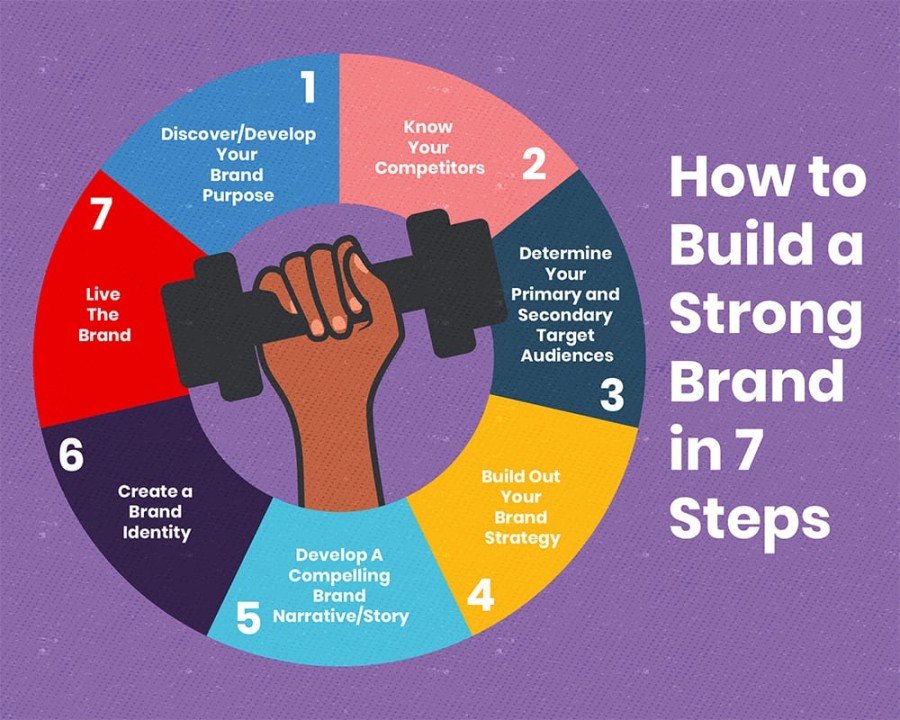
Credit: blog.hubspot.com
The Essence Of Brand Strategy
Creating a brand strategy that resonates with your target audience is essential for the success of your business. The essence of brand strategy lies in its ability to define and communicate the unique value proposition of your brand. It encompasses the core elements that shape how your brand is perceived, differentiates it from competitors, and fosters a strong connection with consumers.
Defining Brand Strategy
A brand strategy defines the long-term plan for the development of a successful brand in order to achieve specific goals. It involves understanding the target audience, establishing a unique brand identity, and crafting a compelling brand story that resonates with consumers.
Importance In The Marketplace
Brand strategy is crucial for standing out in a crowded marketplace. It helps in creating a strong brand presence, building customer loyalty, and gaining a competitive edge. A well-defined brand strategy enables businesses to effectively communicate their value proposition and connect with their target audience on a deeper level, driving brand preference and fostering long-term relationships.
Core Components Of A Brand Strategy
Developing a brand strategy is crucial for any business looking to establish a strong and recognizable presence in the market. A well-defined brand strategy helps to differentiate your business from competitors, build customer loyalty, and create a lasting impression. In order to develop an effective brand strategy, there are several core components that you need to consider: mission statement and vision, brand values and personality.
Mission Statement And Vision
A mission statement and vision are the guiding principles that define the purpose and direction of your brand. The mission statement outlines what your brand aims to achieve and how it plans to make a positive impact on its target audience. On the other hand, the vision statement describes the future aspirations and goals of your brand.
When crafting your mission statement and vision, it’s important to keep them concise, clear, and aligned with your brand’s values. These statements should reflect your brand’s purpose and resonate with your target audience. By clearly communicating your brand’s mission and vision, you can inspire trust and loyalty among your customers.
Brand Values And Personality
Your brand values and personality are the traits and characteristics that define your brand’s identity. They shape the way your brand communicates, behaves, and interacts with its audience. Brand values represent the core beliefs and principles that guide your brand’s actions and decisions.
When determining your brand values, consider what your brand stands for and how it wants to be perceived. Are you committed to sustainability, innovation, or customer satisfaction? Defining your brand’s values helps to establish a strong foundation and sets the tone for your brand’s personality.
Your brand’s personality is the human-like qualities and characteristics that you want your brand to embody. It helps to create a connection with your target audience and differentiate your brand from competitors. Whether your brand is playful, sophisticated, or trustworthy, the personality you choose should align with your target audience’s preferences and resonate with their emotions.
By carefully defining your brand values and personality, you can create a consistent and authentic brand experience that resonates with your target audience. This builds trust, fosters brand loyalty, and ultimately drives business success.
Setting The Foundation: Research And Analysis
Before developing a brand strategy, it’s crucial to lay a strong foundation through comprehensive research and analysis. This stage provides valuable insights into the target audience and the competitive landscape, which are essential for crafting a brand strategy that truly resonates. Let’s delve into the key components of this foundational phase.
Understanding Your Target Audience
Understanding your target audience is the cornerstone of any effective brand strategy. By identifying their needs, preferences, and pain points, you can tailor your brand messaging and offerings to resonate with them. Utilize techniques such as surveys, interviews, and social media analytics to gain a deep understanding of your audience’s demographics, behaviors, and psychographics.
Competitive Analysis Techniques
Conducting a thorough competitive analysis is vital for positioning your brand effectively in the market. Utilize tools like SWOT analysis to identify your competitors’ strengths, weaknesses, opportunities, and threats. Additionally, analyze their marketing strategies, product offerings, and customer feedback to gain a comprehensive understanding of the competitive landscape.
Crafting A Unique Value Proposition
Crafting a unique value proposition is a crucial step in developing a brand strategy that resonates with your target audience. By identifying what sets your product or service apart from competitors and communicating it clearly, you can differentiate yourself and create a strong brand identity.
Crafting a Unique Value Proposition is a critical element of developing a brand strategy that resonates with your target audience. Your value proposition is a clear statement that articulates the unique benefit that your product or service provides to your customers. It should be specific, concise, and highlight the key differentiators that set you apart from your competitors. To create a compelling value proposition, you need to identify your key differentiators and craft messaging that speaks directly to your target audience.Identifying Key Differentiators
To craft a unique value proposition, you first need to identify the key differentiators that set your brand apart from your competitors. This involves analyzing your brand’s strengths, weaknesses, opportunities, and threats, as well as conducting market research to understand your target audience’s needs and preferences. Once you have identified your differentiators, you can focus on crafting messaging that highlights these unique selling points.Creating Compelling Messaging
Crafting compelling messaging is essential to developing a brand strategy that resonates with your target audience. Your messaging should speak directly to the needs and preferences of your customers, highlighting the key benefits that your product or service provides. This can involve creating a tagline or slogan that encapsulates your brand’s unique selling points, or crafting messaging that speaks directly to your target audience’s pain points and desires. To ensure that your messaging is effective, you should test it with your target audience to ensure that it resonates and drives the desired actions.In conclusion, Crafting a Unique Value Proposition is a crucial step in developing a brand strategy that resonates with your target audience. By identifying your key differentiators and crafting compelling messaging that speaks directly to your customers’ needs and preferences, you can create a brand that stands out from the competition and drives the desired actions. Remember to test your messaging with your target audience to ensure that it resonates and drives the desired actions.Visual Identity And Brand Aesthetics
Developing a brand strategy that resonates involves creating a compelling visual identity and brand aesthetics. This includes crafting a cohesive and memorable look and feel that reflects the brand’s values and connects with the target audience. By focusing on consistency and authenticity, a strong visual identity can help reinforce the brand’s message and build a loyal following.
Designing A Memorable Logo
Your logo is the visual representation of your brand, and it plays a crucial role in creating a lasting impression on your audience. When designing a memorable logo, simplicity is key. Keep it clean and uncluttered, using bold and distinct shapes and colors that reflect your brand’s personality. A well-designed logo should be easily recognizable and scalable, ensuring it looks great across various platforms and sizes. Remember, your logo should evoke the essence of your brand and leave a lasting impression on your audience.Consistency Across Marketing Materials
Consistency is vital when it comes to your brand’s visual identity. Your marketing materials, including your website, social media profiles, and printed collateral, should all maintain a consistent look and feel. This consistency helps build brand recognition and reinforces your brand’s message and values. Ensure that your color palette, typography, and graphic elements remain consistent across all platforms. This cohesive approach will help establish your brand as reliable and trustworthy, making it easier for your audience to recognize and connect with your brand.In conclusion, developing a strong visual identity and brand aesthetic is crucial for creating a brand strategy that resonates with your target audience. Designing a memorable logo and maintaining consistency across your marketing materials are key elements in achieving this goal. By paying attention to these details and ensuring they align with your brand’s values and personality, you can create a visually cohesive and impactful brand presence that resonates with your audience. Remember, your brand’s visual identity is often the first impression people have of your business, so make it count.Building A Brand Voice And Tone
Developing a brand strategy that resonates involves building a unique brand voice and tone. By carefully crafting the language and style used in your brand communication, you can create a consistent and memorable experience for your audience. This establishes a strong brand identity and helps to differentiate your business in the market.
Communication Style Guidelines
Establish clear brand voice and tone guidelines for consistent messaging.
Adapting Tone For Different Platforms
Adjust the brand tone based on platform and audience to maintain relevance.
Digital Presence And Social Media Strategy
Crafting a successful digital presence and social media strategy involves developing a brand strategy that resonates with your audience. By understanding your target market and creating engaging, valuable content, you can build a strong online presence and connect with your audience on a deeper level.
Utilizing social media platforms effectively can help in establishing a brand identity that truly reflects your values and resonates with your followers.
Leveraging Online Platforms
Creating a strong digital presence is crucial for brand strategy success.
- Optimize website for user experience and search engines.
- Utilize SEO to enhance online visibility.
- Collaborate with influencers for wider reach.
Engaging With The Community
Building a community around your brand fosters loyalty and trust.
- Encourage user-generated content for engagement.
- Respond promptly to comments and messages.
- Host interactive sessions and contests.

Credit: www.peteramayer.com
Monitoring Performance And Iterating
To develop a brand strategy that resonates, it’s essential to monitor performance and iterate as needed. This means regularly analyzing metrics, gathering feedback, and making adjustments to ensure that your brand is effectively communicating its values and resonating with your target audience.
By continuously refining your strategy, you can strengthen your brand and build stronger connections with your customers.
Key Performance Indicators (kpis)
To effectively measure brand strategy success, identify specific KPIs relevant to your goals.Adapting Strategy Based On Feedback
Feedback helps refine brand strategy for better alignment with audience needs.Monitoring performance and iterating are crucial steps in developing a brand strategy that resonates. Key Performance Indicators (KPIs) help track progress and measure success. Specific KPIs relevant to your goals are essential for effective monitoring. Feedback from customers and data analysis provide insights for adapting the strategy. Iterative adjustments ensure continuous improvement and alignment with audience needs.Case Studies: Successful Brand Strategies
Developing a brand strategy that truly resonates requires careful planning and execution. Case studies on successful brand strategies showcase the power of strategic thinking, storytelling, and customer-centric approaches in building strong brands. Discover how these strategies can inspire and guide your brand development journey.
Lessons From Industry Leaders
Case studies of successful brand strategies provide valuable insights into what makes a brand resonate with its audience.Analyzing What Worked And Why
Studying the strategies of industry leaders sheds light on the key factors that contribute to their success.– Brand consistency: Ensure messaging aligns across all platforms. – Customer-centric approach: Tailor strategies to meet customer needs. – Innovative storytelling: Engage audience with compelling narratives. – Emotional connection: Create a bond with customers through shared values. – Adaptability: Flexibility to evolve with changing market dynamics.| Company | Key Strategy | Result |
|---|---|---|
| Apple | Focus on user experience | Increased brand loyalty |
| Nike | Empower athletes worldwide | Global brand recognition |

Credit: www.linkedin.com
Ongoing Brand Management And Evolution
Developing a brand strategy is just the beginning of your brand-building journey. To create a lasting impact, you must prioritize ongoing brand management and evolution. This involves maintaining brand relevance and finding innovative ways to stay true to your brand’s essence. Effective brand management ensures that your brand remains fresh, resonates with your target audience, and keeps up with changing market trends.
Maintaining Brand Relevance
To maintain brand relevance, it is crucial to stay informed about your target audience’s evolving needs and preferences. Regularly conduct market research and gather customer feedback to stay ahead of the curve. By understanding your audience, you can adapt your brand messaging, products, and services to meet their changing expectations.
Innovating While Staying True To The Brand
Innovation is essential for the long-term success of any brand, but it should always align with your brand’s core values and identity. Find creative ways to innovate your products, services, and customer experiences without compromising the essence of your brand. Embrace new technologies, explore partnerships, and continuously seek out opportunities to differentiate yourself from competitors while remaining true to your brand’s promise.
Remember, brand management is an ongoing process that requires dedication, adaptability, and constant evaluation. By maintaining brand relevance and innovating thoughtfully, you can ensure that your brand remains strong, resonates with your target audience, and continues to grow in a dynamic marketplace.
Frequently Asked Questions
How To Develop A Brand Strategy?
To develop a brand strategy, define your target audience, establish brand values, and create a unique brand voice. Conduct market research and analyze competitors. Develop a brand identity, including logo and visual elements. Implement your strategy across all channels for consistent brand experience.
What Are The Four Types Of Branding Strategies?
The four types of branding strategies are product branding, corporate branding, personal branding, and service branding. Each type focuses on different aspects of a brand’s identity and how it is perceived by consumers.
What Are The 5 Strategies In Brand Development?
The 5 strategies in brand development include defining your brand, conducting market research, creating a brand identity, developing brand messaging, and consistently delivering on brand promises. These strategies help businesses establish and grow their brand presence in the market.
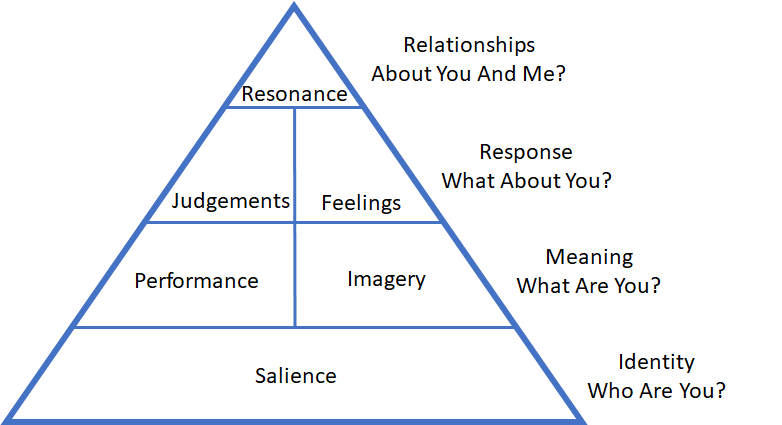
How Do You Build Brand Salience?
To build brand salience, you need to create a consistent brand image, develop a strong brand identity, establish brand recognition, engage with your audience through various channels, and differentiate your brand from competitors. Consistency is key in building brand salience.
By creating a recognizable brand identity, you can increase brand awareness and loyalty. Engaging with your audience through social media, events, and other channels can help to further establish your brand in the minds of consumers. Differentiating your brand from competitors can help to create a unique and memorable brand image.
Conclusion
Developing a brand strategy that resonates with your target audience is crucial for the success of your business. By understanding your brand’s unique value proposition, defining your target market, and crafting a compelling brand story, you can create a strong and authentic brand identity.
Implementing consistent branding across all channels and continuously monitoring and adapting your strategy will help you build brand loyalty and stand out in a competitive market. Remember, a well-developed brand strategy is the foundation for long-term success.