



How to Create a Marketing Strategy So Powerful It Practically Sells Your Brand for You
Creating a marketing strategy that truly moves the needle for your brand requires a deep understanding of your target

Creating a marketing strategy that truly moves the needle for your brand requires a deep understanding of your target audience, a crystal-clear value proposition, and a consistent, data-driven approach. This guide will walk you through the essential steps to develop a powerful marketing strategy that not only attracts customers but also builds lasting brand loyalty.
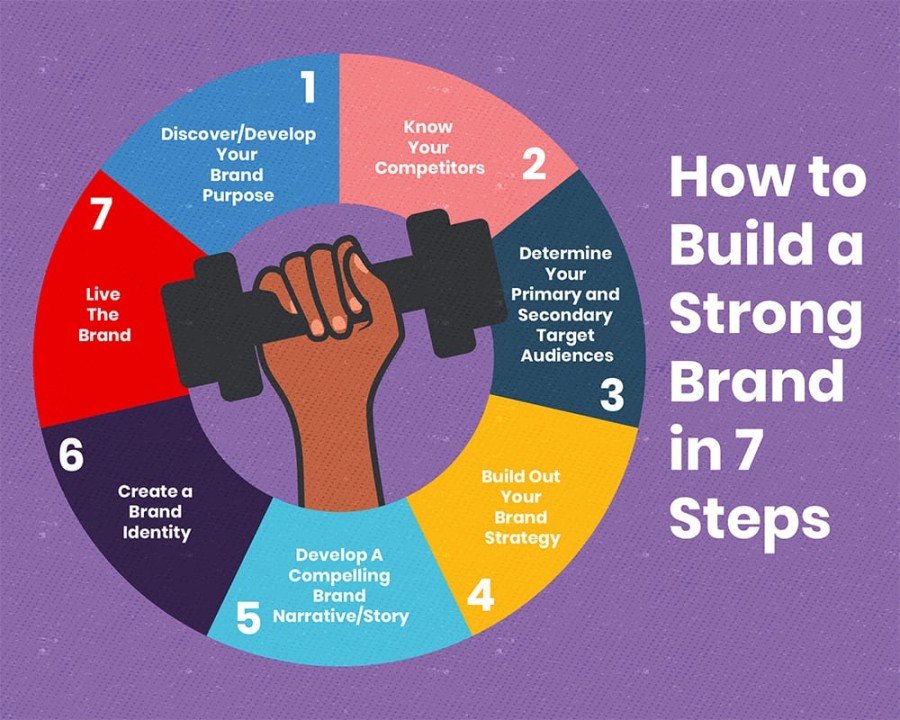
1. Define Your Brand Identity and Target Audience
Before diving into specific marketing tactics, it’s crucial to establish a strong foundation. Begin by clearly defining your brand identity. What makes your brand unique? What are your core values? What message do you want to convey to the world?
Next, conduct thorough market research to pinpoint your ideal customer.
- Who are they? What are their demographics, interests, and online behavior?
- What are their pain points? How can your brand solve their problems and fulfill their needs?
- Where do they spend their time online? Which social media platforms do they frequent? What websites do they visit?
By deeply understanding your target audience, you can tailor your marketing messages and campaigns to resonate with them on a deeper level.
2. Set Clear, Measurable, Achievable, Relevant, and Time-bound (SMART) Goals
Without well-defined goals, it’s impossible to track progress and measure the success of your marketing efforts.
- Increase brand awareness: Aim for a specific percentage increase in social media followers, website traffic, or mentions in relevant publications.
- Drive website traffic: Set targets for organic traffic, paid traffic, and conversions (e.g., leads, sales).
- Generate leads: Establish quotas for email sign-ups, demo requests, and other lead-generating activities.
- Boost sales: Define revenue targets and track key metrics like customer lifetime value (CLTV).
By setting SMART goals, you can ensure that your marketing efforts are aligned with your overall business objectives and that you can effectively measure their impact.
3. Conduct a Competitive Analysis
Understanding your competitive landscape is essential for developing a winning marketing strategy.
- Identify your key competitors: Who are your biggest rivals in the market?
- Analyze their strengths and weaknesses: What are they doing well? Where do they fall short?
- Identify their marketing strategies: What channels are they using? What type of content are they creating?
- Monitor their performance: Track their website traffic, social media engagement, and marketing campaigns.
By analyzing your competitors, you can gain valuable insights into the market and identify opportunities to differentiate your brand and gain a competitive edge.
4. Develop a Compelling Value Proposition
Your value proposition is the unique set of benefits that your brand offers to customers. It’s what differentiates you from the competition and answers the question: “Why should customers choose you?”
- Highlight your unique selling points (USPs): What makes your products or services stand out from the crowd?
- Focus on customer benefits: How do your offerings solve customer problems and improve their lives?
- Communicate your value proposition clearly and concisely: Use compelling language that resonates with your target audience.
A strong value proposition is essential for building brand credibility and attracting new customers.
5. Choose the Right Marketing Channels
The most effective marketing strategies utilize a multi-channel approach.
- Content marketing: Create high-quality, informative content such as blog posts, articles, videos, and infographics to attract and engage your target audience.
- Social media marketing: Leverage social media platforms to build brand awareness, connect with customers, and drive engagement.
- Search engine optimization (SEO): Optimize your website and content to rank higher in search engine results pages (SERPs) and attract organic traffic.
- Email marketing: Build an email list and nurture leads with targeted email campaigns.
- Paid advertising: Utilize paid advertising platforms like Google Ads and social media ads to reach a wider audience and drive conversions.
- Public relations (PR): Secure media coverage and build brand visibility through press releases, media outreach, and influencer marketing.
Select the channels that are most relevant to your target audience and align with your budget and resources.
6. Create High-Quality Content
Content is king in today’s digital world.
- Develop a content strategy: Plan and create valuable, informative, and engaging content that resonates with your target audience.
- Optimize your content for search engines: Use relevant keywords, write clear and concise headlines, and build high-quality backlinks.
- Focus on storytelling: Share compelling stories about your brand, your customers, and your products or services.
- Use visuals: Incorporate images, videos, and infographics to make your content more engaging and shareable.
By creating high-quality content, you can attract and engage your target audience, build brand authority, and drive organic traffic to your website.
7. Build Strong Customer Relationships
Building strong customer relationships is crucial for long-term success.
- Provide excellent customer service: Go above and beyond to meet customer expectations and resolve any issues promptly.
- Encourage customer feedback: Actively seek feedback from your customers and use it to improve your products and services.
- Build a loyal customer community: Create a sense of community around your brand by engaging with customers on social media and hosting events.
- Reward customer loyalty: Implement loyalty programs and offer exclusive discounts and benefits to repeat customers.
By building strong customer relationships, you can increase customer retention, drive repeat business, and generate valuable word-of-mouth marketing.
8. Track, Analyze, and Optimize
Regularly track, analyze, and optimize your marketing campaigns to ensure that they are achieving your desired results.
- Monitor key metrics: Track website traffic, social media engagement, lead generation, and sales conversions.
- Analyze your data: Use data analysis tools to identify trends, identify areas for improvement, and gain valuable insights into customer behavior.
- A/B test different approaches: Experiment with different marketing messages, visuals, and calls to action to see what resonates best with your audience.
- Continuously refine your strategy: Based on your data analysis, make adjustments to your marketing strategy and continuously refine your approach.
By continuously tracking, analyzing, and optimizing your marketing efforts, you can ensure that your campaigns are always performing at their best.
9. Stay Adaptable and Embrace Change
The marketing landscape is constantly evolving.
- Stay up-to-date on the latest trends: Keep abreast of the latest marketing trends, technologies, and best practices.
- Be willing to experiment: Don’t be afraid to try new things and experiment with different marketing approaches.
- Embrace new technologies: Leverage emerging technologies such as artificial intelligence (AI), augmented reality (AR), and virtual reality (VR) to enhance your marketing efforts.
- Be patient and persistent: Building a strong brand takes time and effort. Stay patient, persistent, and never stop learning and improving.
By staying adaptable and embracing change, you can ensure that your marketing strategy remains effective and relevant in today’s dynamic marketplace.
Conclusion
By following these steps and consistently refining your approach, you can create a powerful marketing strategy that drives brand growth, attracts new customers, and builds lasting customer loyalty. Remember that effective marketing requires a data-driven approach, a deep understanding of your target audience, and a commitment to continuous improvement.
FAQs
1. What are the key elements of a successful marketing strategy?
- A clear brand identity and target audience definition.
- Setting SMART goals.
- Conducting a competitive analysis.
- Developing a compelling value proposition.
- Choosing the right marketing channels.
- Creating high-quality content.
- Building strong customer relationships.
- Tracking, analyzing, and optimizing your campaigns.
- Staying adaptable and embracing change.
2. How can I measure the success of my marketing campaigns?
- Track key metrics such as website traffic, social media engagement, lead generation, and sales conversions.
- Analyze your data to identify trends, identify areas for improvement, and gain valuable insights into customer behavior.
3. What are some of the most effective marketing channels?
- Content marketing
- Social media marketing
- Search engine optimization (SEO)
- Email marketing
- Paid advertising
- Public relations (PR)
4. How can I build strong customer relationships?
- Provide excellent customer service.
- Encourage customer feedback.
- Build a loyal customer community.
- Reward customer loyalty.
5. What are some of the latest marketing trends?
- Artificial intelligence (AI) and machine learning
- Video marketing
- Influencer marketing
- Chatbots
- Voice search optimization
This article provides a comprehensive framework for developing a powerful marketing strategy. By implementing these strategies and continuously adapting to the evolving marketing landscape, you can achieve your business goals and drive sustainable growth.