


How Marketing Strategies Is Shaping the Future of Business
Modern marketing strategies are transforming businesses by enhancing customer engagement, driving digital growth, and enabling smarter decision-making. Companies leveraging
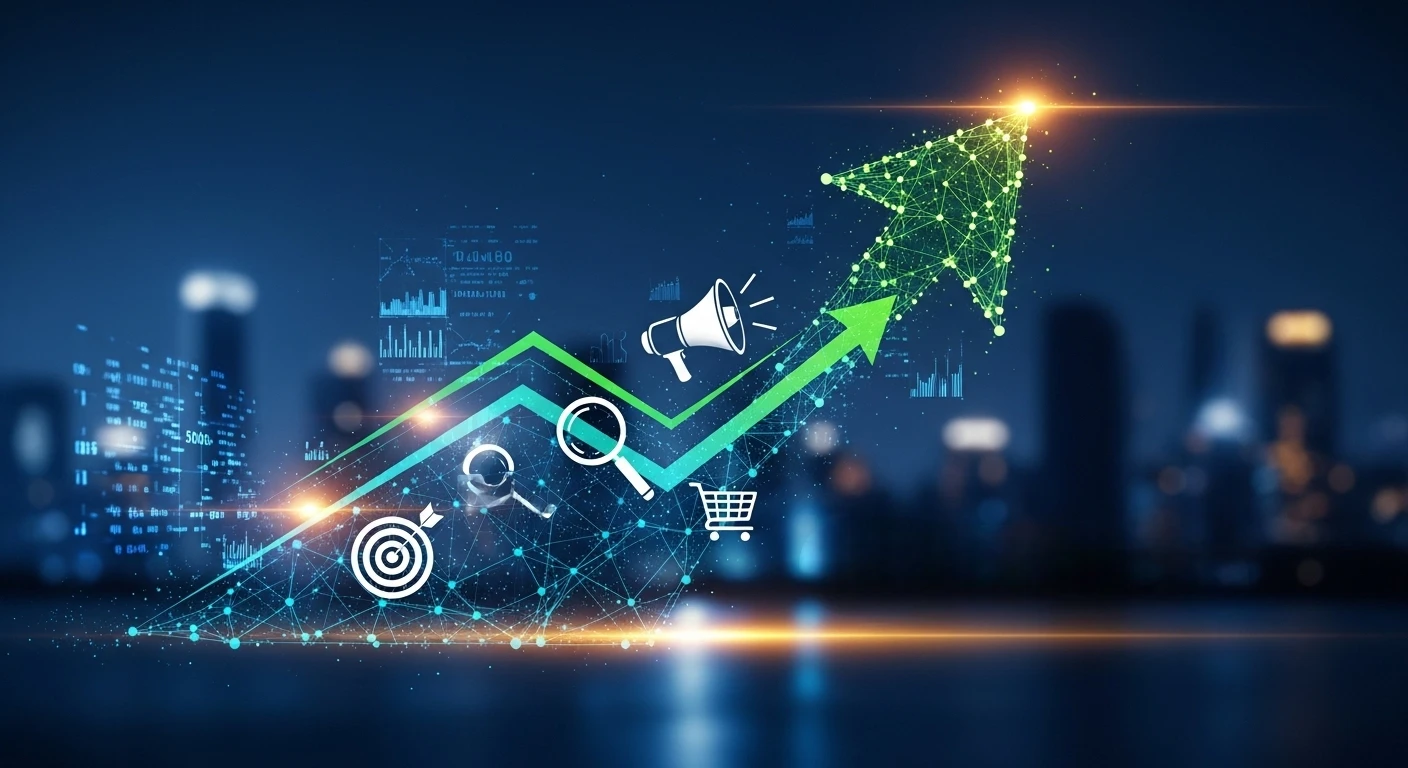
Modern marketing strategies are transforming businesses by enhancing customer engagement, driving digital growth, and enabling smarter decision-making. Companies leveraging AI, data analytics, social media, and omnichannel approaches can scale faster, outperform competitors, and redefine success in an increasingly digital-first world.
The Evolution of Marketing: Why 2025–2026 Is Different
Marketing has evolved far beyond traditional advertising. The modern landscape emphasizes customer-centric approaches, digital innovation, and measurable ROI. Today’s marketing strategies are shaping the business world in three major ways:
- Data-driven decision-making: Businesses can target customers more effectively than ever.
- AI and automation: Campaigns scale quickly while maintaining personalization.
- Omnichannel integration: Seamless customer experiences across platforms increase loyalty and retention.
Marketing has become the engine that powers business growth and innovation.
AI-Powered Marketing Strategies Are Game-Changers
Artificial intelligence is no longer optional—it’s central to modern marketing.
How AI Transforms Marketing
- Predictive analytics: Forecast trends, customer behavior, and sales performance.
- Personalized content: Deliver hyper-relevant messages to individual users.
- Automated campaigns: Scale multi-channel campaigns with minimal manual work.
- Customer insights: AI tools analyze feedback and sentiment to guide strategy.
Impact on Businesses
Companies using AI in marketing see faster lead conversion, higher retention rates, and more efficient budgets, giving them a significant advantage in competitive markets.
Data-Driven Strategies Are Reshaping Decision-Making
Marketing is now deeply intertwined with data analytics. Businesses that leverage insights outperform those that rely on intuition alone.
Key Data Strategies
- Customer segmentation for targeted messaging
- Predictive modeling for future sales trends
- ROI tracking for every campaign
- Competitor analysis using real-time analytics
Data-driven marketing allows companies to adapt faster, personalize better, and maximize profitability.
Social Media Marketing Redefines Customer Engagement
Social media is no longer just a promotional channel—it’s a central business strategy.
Trends in 2025–2026
- Influencer partnerships driving authentic engagement
- Social commerce enabling direct sales on platforms
- Short-form video content capturing attention quickly
- Community-building through interactive campaigns
Social media marketing transforms brand perception, loyalty, and revenue, shaping how businesses grow.
Omnichannel Marketing Creates Seamless Experiences
Customers expect a consistent experience across all touchpoints, whether online or offline.
Omnichannel Strategies Include
- Integrated email, SMS, social, and website campaigns
- Personalized product recommendations across channels
- Real-time customer support and chatbots
- In-store and online engagement alignment
Businesses using omnichannel approaches enjoy higher conversion rates, repeat purchases, and improved brand loyalty.
Content Marketing Shapes Brand Authority
Content remains king—but its role is evolving. Businesses now use content to educate, engage, and convert audiences.
Modern Content Tactics
- Educational blogs and video series
- Webinars and podcasts
- Interactive content (quizzes, calculators, AR experiences)
- Thought leadership pieces
High-quality content establishes brand authority, builds trust, and drives sustainable growth.
Personalization & Customer-Centric Marketing
Modern consumers expect brands to understand their needs.
Techniques for Personalized Marketing
- AI-driven product recommendations
- Behavioral targeting
- Dynamic email and ad content
- Personalized landing pages and web experiences
Personalized marketing increases conversion rates, customer satisfaction, and lifetime value, fundamentally changing how businesses interact with their audience.
Sustainable & Ethical Marketing Is a Competitive Advantage
Consumers increasingly prefer brands that prioritize ethics and sustainability.
Strategies Include
- Transparency in product sourcing
- Purpose-driven campaigns
- Eco-friendly branding and messaging
- Supporting social causes aligned with your audience
Ethical marketing not only drives sales but builds long-term loyalty and brand equity.
Practical Tips to Leverage Marketing Strategies in Business
- Invest in AI tools to automate campaigns and analyze customer data.
- Adopt omnichannel strategies for seamless customer experiences.
- Leverage social media to create communities, not just promotions.
- Focus on personalization to increase engagement and conversions.
- Prioritize sustainability and ethics to resonate with modern consumers.
- Use content to educate and build trust, not just sell.
- Track ROI continuously to optimize marketing investments.
Internal Link Suggestions
- “How Digital Marketing Strategies Is Transforming Business Success”
- “Top Global Economic Trends Secrets the Rich Don’t Want You to Know”
- “How Innovation & Disruption Is Shaping the Future of Business”
External Authoritative Sources
- HubSpot – Marketing Statistics & Trends
- Forbes – Marketing & Digital Strategy Insights
- Harvard Business Review – Marketing in the Digital Era
- Statista – Digital Marketing Trends
FAQs
How are marketing strategies shaping business growth?
By improving customer engagement, leveraging data, and enabling personalized experiences that increase conversions.
Why is AI important in marketing?
AI automates campaigns, predicts trends, personalizes customer interactions, and provides actionable insights.
What is omnichannel marketing?
It’s a seamless marketing approach across multiple platforms, ensuring consistent messaging and experiences for customers.
How does content marketing affect brand authority?
High-quality, educational, and engaging content builds trust and positions a brand as an industry leader.
Why is ethical marketing important?
Modern consumers value sustainability, transparency, and purpose, which drives loyalty and long-term growth.
Conclusion: Marketing Is the Future of Business Success
Marketing strategies are no longer optional—they are the foundation of business growth, innovation, and sustainability. Companies that embrace AI, personalization, omnichannel engagement, content authority, and ethical practices will lead the future.
The future of business is customer-centric, data-driven, and digitally intelligent. Mastering marketing strategies today is the key to thriving tomorrow.