



Creative Campaigns: Proven Strategies to Dominate Your Industry in 2026
In 2026, dominating your industry requires more than traditional marketing—it demands creative campaigns that capture attention, inspire action, and
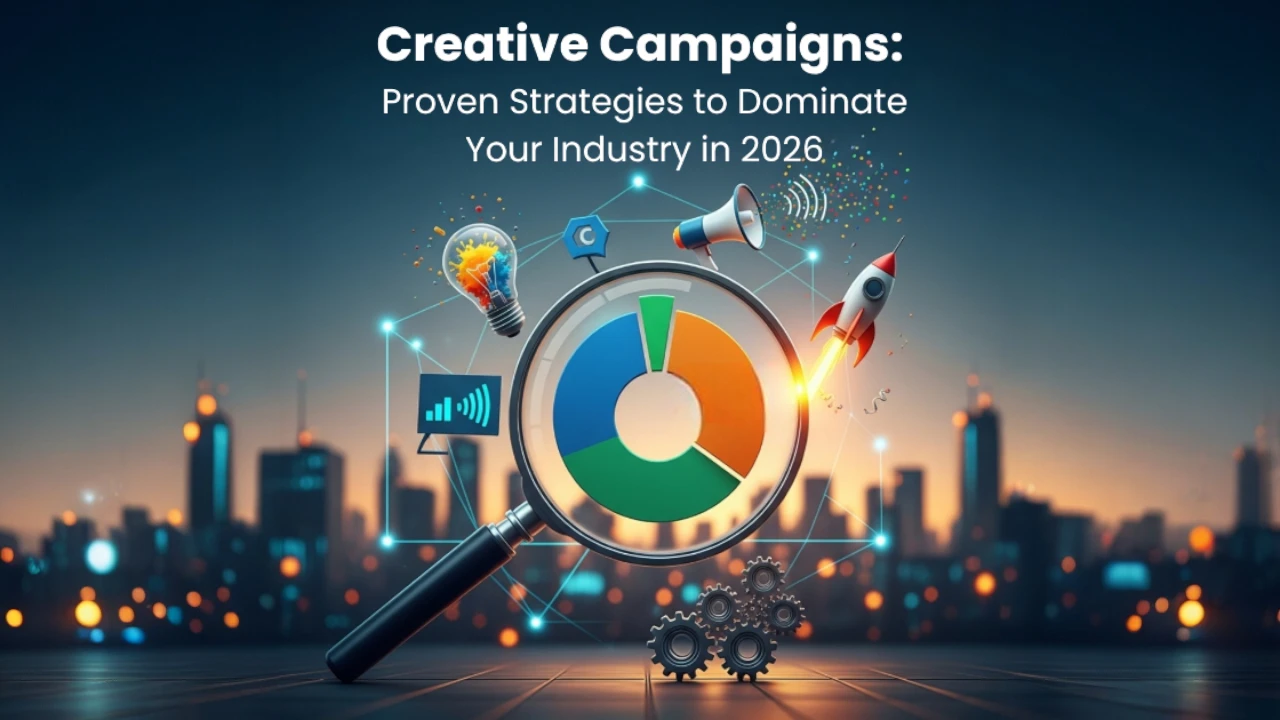
In 2026, dominating your industry requires more than traditional marketing—it demands creative campaigns that capture attention, inspire action, and deliver measurable results. By leveraging proven strategies, innovative frameworks, and emerging technologies, brands can outpace competitors and build lasting customer loyalty. This guide reveals actionable steps to achieve industry leadership.
Why Creative Campaigns Are Critical in 2026
The digital landscape is more crowded and competitive than ever. Consumers are exposed to thousands of messages daily, making attention a scarce commodity.
Creative campaigns are critical because they:
- Capture audience attention with memorable ideas
- Drive engagement across digital and offline channels
- Strengthen brand positioning and authority
- Translate creativity into measurable ROI
Brands that fail to innovate risk stagnation, while those who embrace creativity can dominate their markets.
Core Strategies for Successful Creative Campaigns
1. Understand Your Audience Deeply
Successful campaigns begin with insights. Use:
- Customer personas to define demographics, behaviors, and preferences
- Social listening to track trends and conversations
- Surveys, polls, and focus groups for qualitative insights
- Analytics to monitor engagement and conversion metrics
Knowing your audience ensures that campaigns resonate and inspire action.
2. Leverage Storytelling
Storytelling connects emotionally with audiences:
- Craft narratives that reflect your brand’s purpose
- Highlight customer success stories
- Use visual storytelling through video, images, and interactive media
- Maintain consistency across all channels
Emotionally compelling stories boost recall, engagement, and loyalty.
3. Integrate Multi-Channel Marketing
2026 campaigns require a holistic approach:
- Social media (Instagram, TikTok, LinkedIn)
- Email marketing with personalized content
- Paid ads for targeted reach
- Influencer and affiliate partnerships
- Offline experiences and events
Multi-channel campaigns reinforce messaging and increase touchpoints for conversions.
4. Use Data to Inform Creativity
Data-driven creativity is no longer optional:
- Track engagement metrics in real-time
- A/B test visuals, headlines, and calls-to-action
- Analyze ROI per channel
- Adjust campaigns dynamically based on insights
Balancing creativity with data ensures campaigns are effective and measurable.
5. Build Interactive & Immersive Experiences
2026 audiences crave participation:
- Interactive quizzes, polls, and challenges
- Augmented reality (AR) filters and experiences
- Gamification elements to engage users
- Live streaming with Q&A or demonstrations
Immersive campaigns increase engagement, shares, and brand loyalty.
6. Collaborate with Influencers and Partners
Strategic collaborations amplify reach and credibility:
- Partner with industry influencers who align with your brand
- Collaborate with complementary brands for co-branded campaigns
- Utilize micro-influencers for niche audience engagement
- Track partnership performance for ROI
Collaboration expands reach, drives authenticity, and leverages trust.
7. Focus on Sustainability & Social Responsibility
Consumers increasingly favor brands that reflect values and purpose:
- Highlight eco-friendly products and initiatives
- Support social causes through campaigns
- Showcase ethical practices and transparency
- Engage audiences in corporate social responsibility activities
Sustainability-focused campaigns resonate emotionally and build long-term loyalty.
8. Embrace Emerging Technology
Technology can make campaigns innovative and scalable:
- AI-driven personalization for content and ads
- Chatbots for interactive customer engagement
- Predictive analytics for trend forecasting
- Virtual and augmented reality experiences
Tech-powered campaigns create differentiation and enhance audience experiences.
Framework for Planning High-Impact Creative Campaigns
Step 1: Define Clear Goals
- Brand awareness
- Lead generation
- Sales or conversions
- Customer engagement or loyalty
Step 2: Research & Insights
- Audience demographics and psychographics
- Market trends and competitor analysis
- Emerging technologies and platforms
Step 3: Creative Concept Development
- Brainstorm ideas aligned with goals
- Use storyboarding or mood boards
- Test ideas internally before launch
Step 4: Execution Across Channels
- Multi-channel content creation
- Schedule campaigns for optimal engagement
- Track performance metrics
Step 5: Monitor, Analyze, & Optimize
- Track KPIs in real-time
- Adjust campaigns based on insights
- Incorporate learnings into future campaigns
Following this structured framework ensures consistency, effectiveness, and ROI.
Real-Life Example: Dominating with Creativity
Brand X, a consumer tech startup in 2026, launched a multi-channel interactive campaign:
- AR product demo on Instagram and TikTok
- Influencer partnerships showcasing unique use cases
- Gamified challenges with rewards
- Real-time analytics to optimize messaging
Result: 250% increase in engagement, 35% boost in sales, and recognition as an industry innovator within six months.
Internal Link Suggestions
- “Top Digital Marketing Trends for 2026”
- “How to Create Viral Social Media Campaigns”
- “Brand Storytelling Techniques That Work”
- “Using AI to Optimize Marketing Campaigns”
Authoritative External Sources for E-E-A-T
- HubSpot – Marketing Strategy & Campaign Insights
- Harvard Business Review – Creative Marketing & Innovation
- Forbes – Digital Marketing & Consumer Engagement
- AdAge – Campaign Case Studies
FAQs
1. What is a creative campaign in marketing?
A creative campaign uses innovative ideas, storytelling, and strategic execution to engage audiences, build brand awareness, and drive measurable results.
2. How do I measure the success of a creative campaign?
Use KPIs such as engagement rates, conversion rates, ROI, social shares, and audience growth across channels.
3. Which platforms are best for 2026 campaigns?
Social media (Instagram, TikTok, LinkedIn), email marketing, paid ads, influencer collaborations, and immersive experiences like AR and live streaming.
4. How can small businesses compete with larger brands?
Focus on creativity, niche targeting, personalized experiences, and strategic collaborations to stand out without huge budgets.
5. Is data important in creative campaigns?
Yes. Data helps balance creativity with performance, informing decisions on messaging, audience targeting, and optimization.
Conclusion
Creative campaigns in 2026 are essential to dominate your industry. By combining storytelling, data insights, multi-channel execution, technology, and strategic collaborations, businesses can capture attention, engage audiences, and drive measurable results.
Start implementing these strategies today to stand out, scale, and lead your industry with creativity.