



Branding vs. Marketing: The Essential Guide to Understanding the Difference and Mastering Both
In today’s business world, knowing the difference between branding and marketing is key. Branding is about creating a unique

In today’s business world, knowing the difference between branding and marketing is key. Branding is about creating a unique identity for a business. Marketing is about promoting products or services to the right people. Both are vital for success.
Businesses need to focus on brand development to stand out. This means creating a brand voice, values, and personality that match their marketing. By combining these, businesses can create a strong brand that engages and converts.
In this article, we’ll dive into branding and marketing basics. We’ll look at their differences and how they work together for success. We’ll also see how businesses can use these strategies to grow and succeed.
Introduction to Branding and Marketing
Branding and marketing are key parts of any business plan. Branding is about making a unique identity. Marketing is about promoting products or services to the right people. Knowing the difference helps businesses succeed.
Key Takeaways
- Brand development is the process of creating a unique identity for a business
- Marketing strategies focus on promoting products or services to the target audience
- Effective brand development and marketing strategies are essential for driving business success
- Businesses must invest in brand development to create a unique identity that resonates with their target audience
- Integrating brand development and marketing strategies is crucial for creating a cohesive brand marketing strategy
- Brand development and marketing strategies must align with the target audience’s needs and preferences
Understanding the Fundamentals of Brand Building and Marketing
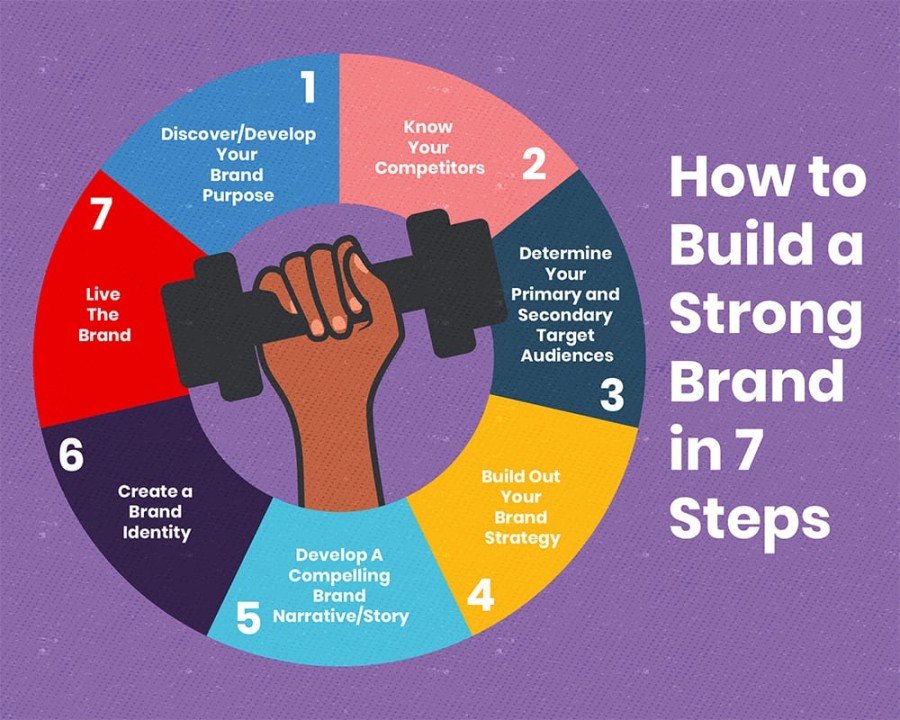
Building a strong brand means knowing your audience well. A brand’s brand identity is what makes it stand out. It includes its values, mission, and how it looks. This identity helps a brand be different from others and make a lasting impression.
To make great marketing campaigns, you need to know the basics of marketing. This includes understanding market research, who your audience is, and how to position your brand. With this knowledge, you can create campaigns that speak to your audience and strengthen your brand.
Key Elements of Brand Building
- Unique brand identity
- Clear mission and values
- Target audience understanding
By focusing on these key elements, businesses can lay a solid foundation for their brand. This helps in creating marketing campaigns that succeed. Branding and marketing work together to achieve business success. Knowing both well helps businesses make campaigns that connect with their audience and strengthen their brand.

The Interconnected Nature of Branding and Marketing
Branding and marketing both need a deep understanding of your audience. They also require creating a unique brand identity. By grasping the basics of marketing and the importance of brand identity, businesses can craft campaigns that succeed. These campaigns help drive business success and reinforce the brand.
| Brand Identity | Marketing Campaigns |
|---|---|
| Unique values and mission | Targeted advertising |
| Visual elements | Social media marketing |
Branding vs. Marketing: Key Differences and Similarities
Brand management and digital marketing are key for a strong online presence. They are different but work together well. A good strategy uses both to its advantage.
Branding aims to build a lasting reputation and identity. Marketing, on the other hand, targets short-term goals like sales or leads. Yet, both aim to connect with the audience.
- Brand management creates a unique identity for a business, including values and visuals.
- Digital marketing uses tactics like social media and SEO to engage with the audience.
Knowing the differences and similarities helps businesses create a strong strategy. This strategy combines brand management and digital marketing for long-term success.
A well-planned brand strategy with smart digital marketing can boost a business’s online presence. It builds loyalty and increases revenue.
The Psychology Behind Brand Development
Understanding the psychology of brand development is key for businesses. It helps them make a lasting impression on their audience. By using brand development and marketing strategies, companies can build a strong bond with their customers.
This bond is based on trust, loyalty, and shared values. It drives customer engagement and keeps them coming back.
Creating a unique brand personality is at the heart of effective brand development. This can be done by establishing a strong brand voice and values. These should match the company’s mission and vision.
This way, businesses can stand out from their competitors. They can also build a loyal customer base.
- Creating emotional connections with the target audience
- Building a unique brand personality
- Establishing a strong brand voice and values
By adding these elements to their marketing, businesses can build a strong brand. This brand drives loyalty and retention. As companies grow, their brand and marketing strategies must evolve too. They need to meet the changing needs of their audience.
Strategic Marketing Approaches in Modern Business
In today’s fast-paced digital world, businesses must use smart marketing strategies to stay ahead. Digital marketing is key, helping companies reach more people and build a strong brand identity. With digital marketing, like social media and content, businesses can make campaigns that engage and convert.
A strong brand identity is vital for businesses to stand out. This means using consistent branding, telling compelling stories, and knowing your audience well. By mixing digital marketing with a solid brand identity, businesses can create a marketing plan that connects with their audience and differentiates them.
- Developing a robust social media presence
- Creating engaging and informative content
- Utilizing data analytics to inform marketing decisions
By using these strategies, businesses can build a strong online presence, gain loyal customers, and achieve long-term success.
How Branding Influences Marketing Success
Effective brand management is key for marketing success. A strong brand identity builds a good reputation and recognition. This boosts marketing efforts. Businesses can make marketing campaigns that speak to their audience by understanding branding’s role.
Important factors include brand recognition, brand loyalty, and measuring brand impact on marketing ROI. These elements help create a unified brand image. This image supports marketing campaigns and drives business success.
- Establishing a unique brand voice and values that resonate with the target audience
- Creating emotional connections with customers through effective brand storytelling
- Developing consistent brand messaging across all marketing channels
By using these strategies in marketing campaigns, businesses can better manage their brand. This leads to more marketing success.
| Brand Management Strategy | Marketing Campaign Benefit |
|---|---|
| Brand Recognition | Increased brand awareness and customer loyalty |
| Brand Loyalty | Improved customer retention and repeat business |
| Measuring Brand Impact | Data-driven decision making and optimized marketing ROI |
By focusing on brand management and using these strategies, businesses can lay a strong foundation for marketing success. This drives long-term growth.
Digital Integration: Where Branding Meets Marketing Online
In today’s world, businesses need to blend their branding and marketing online. This mix is key for success, as it helps reach more people and build a strong digital brand. Good digital marketing strategies are crucial, connecting with the audience and making a brand stand out.
A solid brand development plan is vital for a consistent brand voice online. This means having a strong social media presence, aligning content, and creating a great digital experience. Such efforts boost brand awareness, website visits, and sales.
- Developing a social media strategy that resonates with the target audience
- Creating content that aligns with the brand’s message and values
- Designing a digital brand experience that is engaging and user-friendly
By focusing on these areas, businesses can offer a smooth digital experience. This supports their branding and marketing goals, leading to growth and success through effectivedigital marketingandbrand developmentstrategies.
Building a Cohesive Brand Marketing Strategy
A strong brand identity is key for businesses to stand out. It creates a unique image that people remember. This helps businesses be different from others and keep customers coming back.
Good marketing strategies are also vital for success. They involve knowing who your audience is and what they want. Then, you make marketing that meets their needs. This way, your marketing and business goals work together well.
Important parts of a strong brand marketing strategy include:
- Keeping your brand the same everywhere
- Marketing that speaks to your audience
- Always checking and improving your marketing plans
With these parts, businesses can build a solid base for success. They can also make a lasting brand identity in the market.
Measuring Success: Analytics and Metrics
To see how well brand management and digital marketing work, tracking key performance indicators (KPIs) is key. This helps businesses make smart choices based on data. For brand management, it’s important to watch brand awareness, customer engagement, and loyalty. Digital marketing focuses on website traffic, conversion rates, and return on investment (ROI).
By linking brand performance with marketing KPIs, businesses get a full picture of their success. This way, they can see how brand management affects digital marketing and vice versa. For example, a company can check how its brand work boosts website visits and sales, helping to improve its online strategy.
Some important metrics to look at in brand management and digital marketing are:
- Brand recognition and recall
- Customer acquisition and retention rates
- Website traffic and engagement metrics (e.g., time on site, bounce rate)
- Social media metrics (e.g., followers, engagement rate)
- Conversion rates and ROI
By keeping an eye on these metrics and tweaking their strategies, businesses can do better. Good brand management and digital marketing need ongoing checks to make sure efforts match goals and resources are used well.
Common Pitfalls and How to Avoid Them
Businesses need to watch out for common mistakes in branding and marketing. Good brand development and marketing campaigns are key to growing your business.
To steer clear of these errors, focus on a consistent brand image. Make sure your marketing matches your brand strategy. Some common mistakes include:
- Brand inconsistency issues
- Marketing misalignment
- Budget allocation mistakes
Knowing these pitfalls helps businesses create strong brand development and marketing campaigns. A well-thought-out branding and marketing plan can build a strong brand. It also helps reach your target audience.
| Pitfall | Description |
|---|---|
| Brand Inconsistency | Inconsistent branding can confuse customers and dilute the brand image. |
| Marketing Misalignment | Marketing efforts that are not aligned with the brand strategy can be ineffective. |
| Budget Allocation Mistakes | Incorrect budget allocation can lead to wasted resources and poor marketing performance. |
Conclusion: Mastering the Balance Between Branding and Marketing
In today’s business world, combining brand identity and marketing strategies is crucial for success. This guide has shown how balancing branding and marketing can help businesses grow. It’s a journey that makes companies strong in a competitive market.
Understanding brand building and marketing is key. Companies can then create a plan that speaks to their audience and grows over time. This article has given a clear path for businesses to blend these two important areas.
Starting your journey to improve your brand and marketing, remember the power of integration. Use the insights and synergy to reach your business’s full potential. Success comes from blending branding and marketing well. This will change your organization and help it reach new heights.
FAQ
What is the difference between branding and marketing?
Branding is about creating a unique identity for a business. It includes values, mission, and visual elements. Marketing, on the other hand, is about promoting products or services to the target audience through various campaigns and strategies.
How do branding and marketing work together?
Branding and marketing are connected and share a common goal: driving business success. Branding builds a long-term reputation and identity. Marketing aims for short-term goals like driving sales or generating leads. By understanding both, businesses can create a strong strategy that uses the best of both.
What are the core elements of marketing?
The core elements of marketing are market research, segmentation, targeting, and positioning. These help businesses understand their audience, their needs, and preferences. Then, they can create marketing campaigns that really connect with them.
How does branding influence marketing success?
Branding is key to marketing success. It helps build a strong reputation and identity for a business. This includes brand recognition, loyalty, and how brand affects marketing ROI. By understanding this connection, businesses can make marketing campaigns that succeed.
What are the common pitfalls to avoid in branding and marketing?
Common mistakes in branding and marketing include brand inconsistency, marketing misalignment, and budget mistakes. Knowing how to avoid these can help businesses create successful branding and marketing strategies.