



Brand Storytelling Secrets: Captivate Audiences with Top Techniques
Introduction In today’s saturated market, simply selling products or services is no longer enough. Consumers are bombarded with messages

Introduction
In today’s saturated market, simply selling products or services is no longer enough. Consumers are bombarded with messages from all directions, making it harder than ever to cut through the noise. This is where the power of brand storytelling comes into play. By weaving compelling narratives around your brand, you can forge deeper connections with your audience, build trust, and foster lasting loyalty.
What is Brand Storytelling?
Brand storytelling involves crafting and sharing narratives that communicate your brand’s unique values, mission, and personality. It’s about more than just promoting your products; it’s about creating an emotional connection with your audience by telling a story they can relate to.
Why is Brand Storytelling Important?
- Builds Brand Awareness: Engaging stories help people remember your brand and differentiate you from competitors.
- Increases Brand Loyalty: When customers connect with your brand’s story, they are more likely to become loyal advocates.
- Drives Customer Engagement: Compelling narratives encourage interaction and conversation around your brand.
- Boosts Sales: By creating an emotional connection, you can motivate customers to take action, such as making a purchase.
- Improves Brand Reputation: Authentic storytelling builds trust and credibility with your audience.
Top Brand Storytelling Techniques
Now, let’s delve into some of the most effective techniques for crafting compelling brand stories:
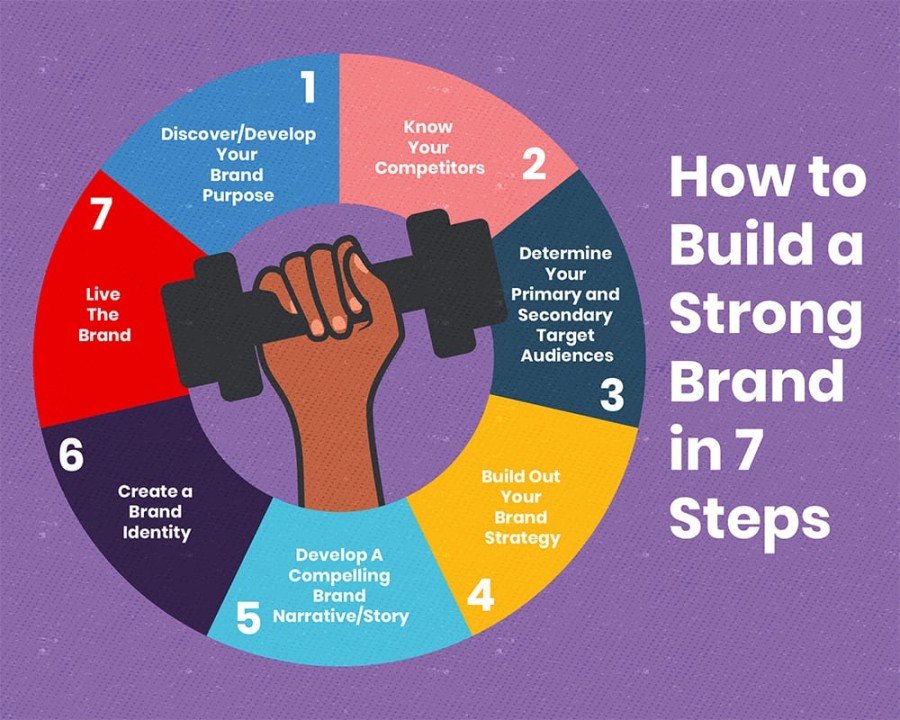
1. Define Your Brand’s Core Values
Before you can tell your brand’s story, you must understand its core values. What principles guide your business decisions? What makes your brand unique?
- Identify your mission statement: What problem are you solving for your customers? What impact do you want to make?
- Define your target audience: Who are you trying to reach with your brand story? What are their interests, values, and pain points?
- Determine your brand personality: How would you describe your brand’s voice and tone? Is it playful, serious, innovative, or traditional?
2. Identify Your Brand’s Unique Selling Proposition (USP)
What makes your brand stand out from the competition? What unique benefits do you offer your customers?
- Highlight your competitive advantage: What do you do better than your competitors?
- Focus on customer benefits: How do your products or services improve your customers’ lives?
- Emphasize your unique selling proposition: What makes your brand truly special and memorable?
3. Craft Compelling Narratives
Once you have a solid foundation, it’s time to start crafting compelling narratives that resonate with your audience.
- Tell customer stories: Share stories of how your products or services have positively impacted your customers’ lives.
- Highlight employee stories: Showcase the passion and dedication of your team members.
- Share your brand’s origin story: How did your brand come to be? What challenges did you overcome?
- Use storytelling in your marketing materials: Incorporate brand stories into your website, social media posts, blog articles, and video content.
4. Leverage Visual Storytelling
Visuals are a powerful tool for capturing attention and conveying emotions.
- Create high-quality images and videos: Use professional photography and videography to showcase your brand’s story.
- Incorporate infographics and data visualizations: Use visuals to present information in a clear and engaging way.
- Utilize social media platforms like Instagram and Pinterest: These platforms are ideal for sharing visual stories.
5. Build a Strong Online Presence
Your website and social media channels are crucial for sharing your brand’s story.
- Create a user-friendly website: Make sure your website is easy to navigate and visually appealing.
- Optimize your website for search engines: Use relevant keywords and meta descriptions to improve your search engine ranking.
- Engage with your audience on social media: Respond to comments and messages, and share relevant and engaging content.
- Build an email list: Collect email addresses from interested customers and nurture them with compelling brand stories.
6. Measure and Analyze Your Results
Track the effectiveness of your brand storytelling efforts by monitoring key metrics.
- Website traffic: Monitor website traffic to see how many people are visiting your site.
- Social media engagement: Track your social media engagement, such as likes, shares, and comments.
- Customer feedback: Gather customer feedback through surveys and reviews.
- Sales and revenue: Monitor sales and revenue to see if your brand storytelling efforts are driving business growth.
7. Adapt and Evolve
The world of marketing is constantly changing, so it’s important to adapt your brand storytelling strategies accordingly.
- Stay up-to-date on the latest trends: Keep an eye on emerging trends in social media, content marketing, and digital storytelling.
- Experiment with new techniques: Try new approaches to see what resonates with your audience.
- Gather customer feedback: Regularly gather customer feedback to understand their preferences and adjust your strategies accordingly.
8. Foster a Culture of Storytelling Within Your Organization
Encourage all employees to become brand ambassadors by sharing their own stories and experiences.
- Create internal communication channels: Share brand stories and company news with employees.
- Organize team-building activities: Encourage employees to connect with each other and share their passions.
- Recognize and reward employee contributions: Acknowledge employees who effectively represent the brand.
9. Build Authentic Relationships with Your Audience
True brand storytelling is about building genuine connections with your audience.
- Be authentic and transparent: Share your brand’s story honestly and openly.
- Listen to your audience: Pay attention to customer feedback and respond to their concerns.
- Build a community around your brand: Create a space for your audience to connect with each other and with your brand.
10. Focus on Long-Term Impact
Brand storytelling is a long-term investment. Don’t expect to see results overnight.
- Be patient and persistent: Continue to share your brand’s story consistently over time.
- Focus on building long-term relationships with your audience.
- **Measure your progress and make adjustments as needed.
Conclusion
By effectively utilizing these brand storytelling techniques, you can create a powerful and lasting connection with your audience. Remember, it’s not just about selling products; it’s about creating a meaningful brand experience that resonates with your customers on an emotional level.
FAQs
- How can I make my brand story more engaging?
- Use vivid language and imagery to bring your story to life.
- Involve your audience in the storytelling process by asking for their input.
- Use humor and emotion to connect with your audience on a deeper level.
- What are some common brand storytelling mistakes to avoid?
- Being inauthentic: Don’t try to be something you’re not.
- Focusing solely on sales: Your primary goal should be to build relationships, not just sell products.
- Ignoring customer feedback: Pay attention to what your audience is saying and adjust your strategies accordingly.
- How can I measure the success of my brand storytelling efforts?
- Track website traffic, social media engagement, customer feedback, and sales to see if your efforts are driving results.
- What are some good examples of brands that tell their stories effectively?
- Patagonia, Airbnb, and Warby Parker are all excellent examples of brands that use storytelling to connect with their audiences.
- How can I get started with brand storytelling today?
- Begin by defining your brand’s core values and identifying your target audience. Then, start crafting compelling narratives that resonate with your audience.
I hope this comprehensive guide helps you unlock the power of brand storytelling and build a stronger, more meaningful connection with your audience.