


How to Develop a Recruitment Plan for Start-Ups: Smart Hiring
To develop a recruitment plan for start-ups, identify the roles and skills needed, create an attractive job description, promote
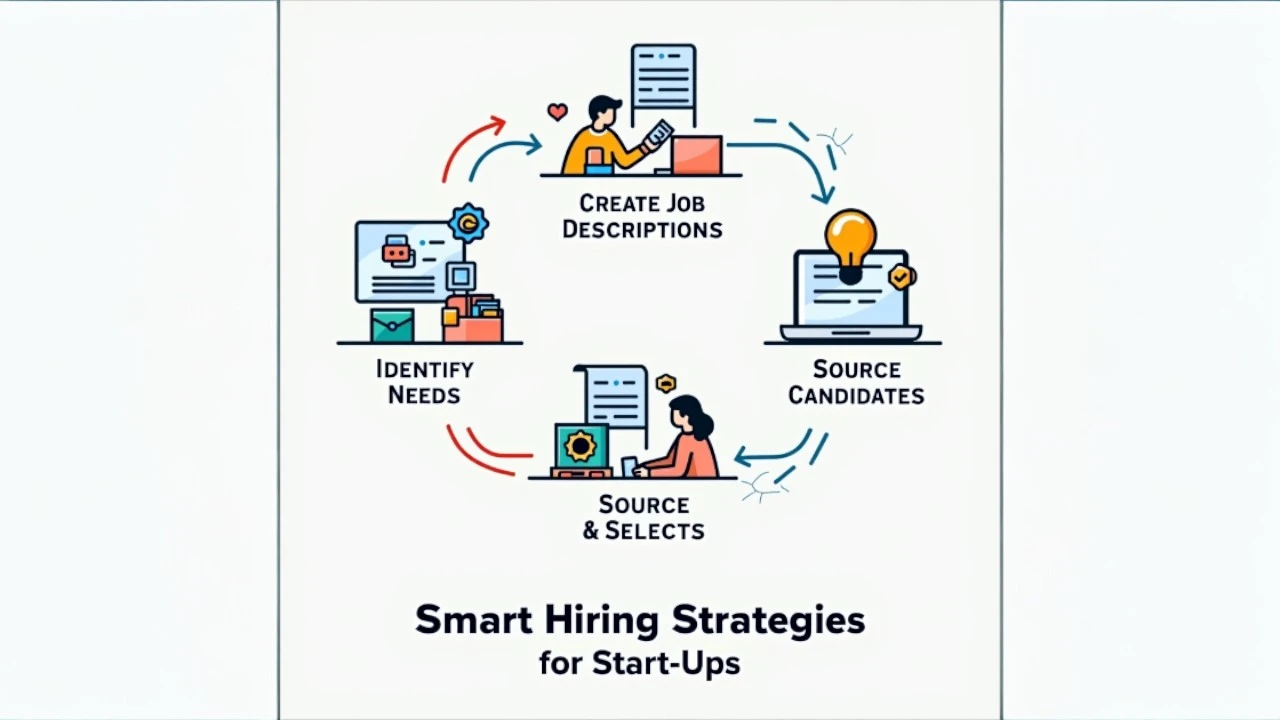
To develop a recruitment plan for start-ups, identify the roles and skills needed, create an attractive job description, promote the openings on relevant platforms, and streamline the interview and selection process. Recruiting the right talent is crucial for the success of any start-up.
However, developing an effective recruitment plan can be challenging, especially when resources and time are limited. To ensure a streamlined and successful hiring process, start-ups need to carefully strategize their recruitment efforts. By identifying the specific roles and skills required, creating enticing job descriptions, leveraging relevant platforms for promotion, and streamlining the interview and selection process, start-ups can attract and hire top talent that aligns with their goals and values.
In this blog, we will explore the key steps involved in developing a recruitment plan for start-ups, helping them build a strong team, and foster growth.
Credit: evalground.com
Introduction To Smart Hiring For Start-ups
Developing a recruitment plan is crucial for the success of start-ups. The process of hiring the right people can be challenging but it’s essential for building a strong foundation for the business. In this blog post, we will discuss the importance of recruitment in start-up success, the challenges involved in start-up hiring, and how to overcome them.
Importance Of Recruitment In Start-up Success
Hiring the right talent is essential for the success of a start-up. The initial team members play a critical role in shaping the company’s culture, driving innovation, and achieving business goals. A well-thought-out recruitment plan can help start-ups attract, select, and retain top talent, ultimately contributing to the overall success of the business.
Challenges In Start-up Hiring
Start-up hiring comes with its own set of challenges. Limited resources, fierce competition for skilled professionals, and the need for individuals who can adapt to a fast-paced environment are some of the common obstacles start-ups face when building their teams. Overcoming these challenges is vital for start-ups to thrive and grow.
Identifying Start-up Hiring Needs
Assessing Current And Future Skill Gaps
Conduct an analysis to identify areas where the current skill set of the team falls short. Anticipate future business needs and pinpoint the necessary skills for growth.
Aligning Recruitment With Business Goals
Ensure that the recruitment plan is directly tied to the business objectives. Closely align the hiring needs with the strategic vision of the company.
Designing The Recruitment Plan
Developing a recruitment plan for start-ups involves defining the hiring needs, creating job descriptions, and selecting suitable sourcing channels. It also requires establishing an employer brand, streamlining the selection process, and incorporating diversity and inclusion initiatives. Effective recruitment plans help start-ups attract top talent and build a strong team.
Setting Clear Job Descriptions
When designing a recruitment plan for start-ups, it is crucial to set clear job descriptions for each role. By clearly defining the responsibilities, qualifications, and expectations for each position, you can attract the right candidates who possess the required skills and experience.
Start by creating a comprehensive list of the tasks and duties that the role entails. Break down the responsibilities into smaller, actionable items that can be easily understood. This will not only help potential candidates understand what is expected of them but also enable you to assess their suitability during the hiring process.
Additionally, include the necessary qualifications and experience required for the role. Clearly state the minimum education level, certifications, and any specific skills or expertise that are essential for success in the position. This will help filter out candidates who do not meet the basic requirements, saving you time and effort in the recruitment process.
Determining The Recruitment Budget
When developing a recruitment plan for your start-up, it is important to determine a realistic recruitment budget. Allocating the right amount of resources for hiring will ensure that you attract and retain top talent without overspending.
Start by evaluating your financial capabilities and assessing how much you can allocate towards recruitment. Consider factors such as advertising costs, recruitment agency fees, and any other expenses associated with the hiring process.
Once you have a budget in mind, explore cost-effective recruitment strategies. Utilize online job boards and social media platforms to reach a wider audience at a lower cost. Consider leveraging your professional network and employee referrals to tap into potential candidates without incurring additional expenses.
Remember, while it’s important to allocate a sufficient budget for recruitment, it’s equally crucial to ensure that your spending is optimized. Continuously evaluate the effectiveness of your recruitment strategies and make adjustments as necessary to get the best return on your investment.
Sourcing Talent Effectively
Developing a recruitment plan for start-ups involves sourcing talent effectively to ensure the right candidates are attracted to your organization. This requires utilizing various strategies to reach a wide pool of qualified individuals. Two effective methods of sourcing talent are leveraging social media and networking, as well as utilizing job boards and recruitment agencies.
Leveraging Social Media And Networking
Social media platforms have become a valuable tool for sourcing talent in today’s digital age. By leveraging platforms such as LinkedIn, Facebook, and Twitter, start-ups can connect with potential candidates and showcase their company culture and job opportunities. Here are some tips to effectively source talent through social media:
- Create engaging and informative social media profiles for your start-up, highlighting your company’s values, mission, and benefits of working with you.
- Regularly post job openings on your social media platforms, ensuring that they are easily shareable to reach a wider audience.
- Engage with industry-specific groups and communities on platforms like LinkedIn, where professionals gather to discuss trends and opportunities.
- Utilize targeted advertisements on social media platforms to reach individuals with specific skills or qualifications.
Utilizing Job Boards And Recruitment Agencies
Job boards and recruitment agencies offer a convenient way to reach a large number of potential candidates quickly. Here’s how you can effectively utilize these resources:
- Research and choose job boards that are relevant to your industry and target audience. Posting your job openings on these platforms increases your chances of attracting candidates with the desired skills and qualifications.
- Consider partnering with recruitment agencies specializing in your industry. These agencies have access to a vast network of candidates and can assist with the screening and selection process.
- Clearly communicate your job requirements and company culture to the recruitment agency, enabling them to find candidates who align with your needs.
- Regularly review and update your job postings on job boards and communicate with recruitment agencies to ensure a steady flow of qualified candidates.
By effectively leveraging social media and networking, as well as utilizing job boards and recruitment agencies, start-ups can source talent efficiently and attract candidates who align with their organizational goals. Remember to continuously evaluate and refine your sourcing strategies based on their effectiveness in attracting the right talent.
Evaluating Candidates
Developing a recruitment plan for start-ups involves evaluating candidates to ensure that the right people with the right skills are hired. Evaluating candidates is a critical step in the recruitment process, and it involves various techniques and tools to assess their qualifications, experience, and suitability for the job.
Crafting An Interview Process
An interview is an essential part of the candidate evaluation process. It allows the recruiters to evaluate the candidate’s communication skills, personality, and job-related knowledge. To craft an effective interview process, start-ups need to prepare a list of questions that can help evaluate the candidate’s skills, experience, and cultural fit. The questions should be relevant to the job and should focus on assessing the candidate’s ability to handle job-related tasks.
Using Skill Assessments And Tests
Skill assessments and tests are an effective way to evaluate a candidate’s technical skills and knowledge. These assessments can be conducted online or in-person and can cover a wide range of topics, including coding, writing, and problem-solving. Start-ups can also use pre-employment tests to evaluate a candidate’s cognitive abilities, personality, and behavioral traits.
It is important to note that while skill assessments and tests are useful in evaluating a candidate’s technical abilities, they should not be the only basis for hiring decisions. The candidate’s cultural fit, personality, and other intangible qualities should also be considered.
Evaluating candidates is a critical step in the recruitment process, and it requires careful planning and execution. Start-ups should craft an effective interview process, use skill assessments and tests, and consider other intangible qualities to ensure that they hire the right people for the job.
Cultural Fit And Onboarding
Developing a recruitment plan for start-ups involves considering cultural fit and onboarding. Ensuring a new hire’s values and work style align with company culture is crucial, as is providing a comprehensive onboarding process to set them up for success.
Assessing Cultural Compatibility
Recruiting the right candidate is crucial for any startup to succeed. Assessing cultural compatibility is vital in ensuring that the candidate is a good fit for the company’s values and goals. To do this, startups need to evaluate the candidate’s work ethics, personal beliefs, and behavior during the hiring process. Additionally, they can use personality tests, behavioral interviews, and reference checks to determine if the candidate aligns with the company culture.
Creating An Engaging Onboarding Experience
Once the right candidate is hired, creating an engaging onboarding experience is essential to ensure their long-term success in the company. Startups need to make the onboarding process engaging, informative, and fun. The process should include introducing the new hire to the company’s values, mission, and culture. Additionally, they should provide training, mentorship, and support to help the new hire integrate into the team and company. A good onboarding experience helps to retain the new hire, build a strong team, and increase productivity.
In conclusion, startups need to focus on assessing cultural compatibility and creating an engaging onboarding experience to ensure the success of their recruitment plan. By doing so, they can hire the right candidates, retain them, and build a strong team that aligns with the company’s values and goals.
Leveraging Technology In Recruitment
To develop a recruitment plan for start-ups, leveraging technology is crucial. Implementing AI-driven applicant tracking systems and using social media platforms can help streamline the hiring process, reach a wider pool of candidates, and ensure a more efficient recruitment strategy.
Applicant Tracking Systems (ats)
Applicant Tracking Systems (ATS) are an essential tool for start-ups looking to streamline their recruitment process. With the increasing number of job applications received, it can be overwhelming for recruiters to manually review each resume and identify the most qualified candidates. ATS automates this process by providing a centralized database where all applications can be stored, organized, and easily searched.
ATS also simplifies the screening process by allowing recruiters to set specific criteria and filters to quickly identify the best-fit candidates. It eliminates the need for manual sorting and enables recruiters to focus their time and energy on interviewing and assessing candidates who meet the necessary qualifications.
Furthermore, ATS facilitates collaboration among hiring teams by providing a platform where multiple stakeholders can access and review candidate profiles. This ensures that all decision-makers are on the same page and can contribute to the selection process, leading to more efficient and effective hiring decisions.
Artificial Intelligence In Talent Acquisition
Artificial Intelligence (AI) has revolutionized the field of talent acquisition for start-ups. By leveraging AI-powered tools and algorithms, start-ups can enhance their recruitment efforts in various ways.
One of the key applications of AI in talent acquisition is resume screening. AI algorithms can analyze resumes and identify relevant keywords, skills, and experiences, enabling recruiters to quickly identify the most qualified candidates. This saves valuable time and ensures that no potential candidate is overlooked.
AI-powered chatbots are another valuable tool in talent acquisition. These chatbots can engage with candidates in real-time, answering frequently asked questions, scheduling interviews, and providing updates on the status of their application. They provide a personalized and responsive experience to candidates, enhancing their overall impression of the start-up and improving the candidate experience.
Additionally, AI can assist in the assessment and evaluation of candidates. Through automated video interviews and online tests, AI algorithms can analyze candidate responses and provide insights on their suitability for the role. This objective evaluation helps reduce bias in the hiring process and ensures fair and informed decision-making.
In conclusion, leveraging technology in recruitment is crucial for start-ups to attract top talent efficiently. Applicant Tracking Systems (ATS) streamline the hiring process by centralizing applications and automating screening, while Artificial Intelligence (AI) enhances recruitment efforts through resume screening, chatbots, and candidate assessment. By incorporating these technological advancements, start-ups can optimize their recruitment strategies and secure the best candidates for their teams.
Credit: evalground.com
Legal Considerations And Compliance
When it comes to developing a recruitment plan for start-ups, legal considerations and compliance are crucial aspects that must not be overlooked. Understanding employment laws and mitigating risks in hiring are essential for creating a successful and legally compliant recruitment strategy.
Understanding Employment Laws
Comprehending employment laws is the foundation of any recruitment plan. Start-ups must be aware of the legal requirements associated with hiring and employment practices. Here are some key aspects to consider:
- Anti-discrimination laws: It is vital to ensure that recruitment practices are in line with anti-discrimination laws, which prohibit discrimination based on factors such as age, race, gender, religion, and disability.
- Minimum wage and overtime regulations: Start-ups must adhere to minimum wage laws and understand the regulations surrounding overtime pay for employees.
- Employee classification: Determining whether workers should be classified as employees or independent contractors is crucial for compliance with tax and labor laws.
- Workplace safety: Complying with occupational health and safety regulations is essential to maintain a safe working environment for employees.
Mitigating Risks In Hiring
Hiring new employees involves certain risks that start-ups need to mitigate. By implementing the following strategies, start-ups can minimize potential legal issues:
- Thorough screening: Conducting comprehensive background checks, reference checks, and verifying qualifications can help identify any red flags and ensure the suitability of candidates.
- Written employment contracts: Creating clear and legally binding employment contracts helps establish the terms and conditions of employment, protecting both the start-up and the employee.
- Proper documentation: Maintaining accurate records of the hiring process, including application materials, interview notes, and employment offers, can serve as evidence if legal disputes arise.
- Training and education: Providing employees and management with training on employment laws, workplace policies, and proper conduct can help prevent legal issues from arising in the first place.
By understanding employment laws and taking steps to mitigate risks in hiring, start-ups can develop a recruitment plan that not only attracts top talent but also ensures compliance with legal requirements. It is important to consult with legal professionals or HR experts to ensure all aspects of the recruitment plan align with the applicable laws and regulations.
Maintaining Flexibility In The Plan
Developing a recruitment plan for start-ups requires maintaining flexibility in the plan. By adapting to changing needs and market trends, start-ups can attract top talent and build a strong team for future growth. Embracing agility allows for effective hiring strategies and ensures success in a dynamic business environment.
Maintaining Flexibility in the Plan
Developing a recruitment plan for a start-up requires a careful balance between structure and flexibility. Being adaptable is essential to respond to the ever-changing needs of a growing business. Here are some strategies to maintain flexibility in your recruitment plan.
Adapting to Market Changes
In a rapidly evolving market, staying flexible is crucial. Monitor industry trends and be ready to adjust your recruitment plan accordingly. Stay updated on the latest technologies and changes in the talent pool to ensure your plan remains relevant.
Scaling the Recruitment Strategy
As your start-up grows, your recruitment needs will change. Implement a scalable recruitment strategy that can expand or contract as necessary. Consider outsourcing certain tasks or using flexible employment arrangements to accommodate fluctuating staffing needs.

Credit: www.slideteam.net
Frequently Asked Questions
How Do You Create A Recruitment Plan?
To create a recruitment plan, follow these steps: 1. Identify the specific job requirements and desired skills. 2. Develop a clear job description and advertisement. 3. Determine the appropriate recruitment channels, such as job boards or social media. 4. Implement a screening process to evaluate candidates.
5. Conduct interviews and select the best candidate.
What Is A Startup Recruiter?
A startup recruiter is a professional who finds and hires talent for new businesses. They help startups build their teams.
How Do Startups Find Employees?
Startups can find employees through various methods such as job boards, social media, referrals, networking events, and career fairs. It is important for startups to define their company culture, values, and job requirements to attract the right candidates. They should also offer competitive salaries, benefits, and growth opportunities to retain top talent.
What Is The Pre Recruitment Strategy?
The pre-recruitment strategy involves planning and actions taken before hiring new employees. It includes defining job requirements, sourcing candidates, and preparing the hiring process. This proactive approach helps attract and select the best candidates for the job.
Conclusion
Developing a recruitment plan for start-ups is crucial for attracting top talent and building a strong team. By focusing on employer branding, utilizing various recruitment channels, and implementing a structured selection process, start-ups can effectively identify and hire the right candidates.
A well-defined recruitment plan is essential for the growth and success of start-up companies.