


How to Build a Winning Recruitment Process: Top Strategies
To build a winning recruitment process, focus on defining clear job requirements, utilizing multiple sourcing channels, conducting thorough interviews,

To build a winning recruitment process, focus on defining clear job requirements, utilizing multiple sourcing channels, conducting thorough interviews, and establishing a streamlined onboarding process. A well-structured recruitment process can significantly increase the chances of hiring the right candidates and reducing employee turnover.
By following these steps, organizations can attract top talent, assess their skills effectively, and ensure a smooth transition into their new roles. Effective recruitment processes are crucial for the success of any organization, as they directly impact the quality of the workforce and overall business performance.
With a strategic and efficient recruitment process in place, companies can build a strong team that drives growth and achieves organizational goals.
The Importance Of A Strong Recruitment Process
Building a winning recruitment process is crucial for any organization’s success. A strong recruitment process ensures that the company attracts top talent, reduces turnover, and fosters a positive company culture. Let’s delve into the importance of having an effective recruitment strategy.
Impact On Organizational Growth
An effective recruitment process directly impacts organizational growth by bringing in skilled individuals who can drive innovation and productivity. Hiring the right people ensures that the company remains competitive and is able to adapt to changing market demands.
The Role Of Recruitment In Company Culture
Recruitment plays a vital role in shaping the company’s culture. By hiring individuals who align with the company’s values and mission, the recruitment process contributes to creating a cohesive and positive work environment. This, in turn, leads to higher employee satisfaction and retention.
Designing The Recruitment Plan
Designing the recruitment plan is a crucial step in building an effective and efficient hiring process. This stage involves creating a framework for attracting, evaluating, and selecting the best candidates for your organization. From setting clear job descriptions to aligning recruitment with business goals, every aspect of the plan contributes to the overall success of your hiring efforts.
Setting Clear Job Descriptions
Clear job descriptions are the foundation of a successful recruitment plan. They provide candidates with a comprehensive understanding of the role, responsibilities, and expectations, enabling them to determine if they are the right fit for the position. In addition, well-defined job descriptions assist recruiters in identifying suitable candidates and streamlining the selection process.
Aligning Recruitment With Business Goals
Aligning the recruitment process with the business goals is essential for ensuring that the new hires contribute to the organization’s success. By understanding the company’s strategic objectives, recruiters can tailor their approach to attract candidates who not only possess the required skills but also align with the company’s culture and long-term vision.
Leveraging Technology In Recruitment
Revolutionize your recruitment process by embracing technology. Implementing AI, data analytics, and automation can streamline candidate sourcing, screening, and assessment, leading to a more efficient and effective hiring strategy. Stay ahead in the talent acquisition game by leveraging technology to build a winning recruitment process.
Applicant Tracking Systems
In today’s competitive job market, leveraging technology is essential for building a winning recruitment process. One of the most powerful tools at your disposal is an Applicant Tracking System (ATS). An ATS is a software application that streamlines and automates the entire recruitment process, from job posting to candidate selection.
With an ATS, you can easily manage job openings, track applications, and screen candidates efficiently. The system allows you to create custom workflows, set up automated email notifications, and collaborate with your hiring team in real-time. By centralizing all recruitment activities in one platform, an ATS saves you time and effort, allowing you to focus on finding the best talent.
The Power Of Social Media
Social media has revolutionized the way we connect and communicate, and it has also become a powerful tool for recruitment. By leveraging social media platforms, you can reach a wider audience and attract top-notch candidates.
Platforms like LinkedIn, Facebook, and Twitter provide you with access to millions of potential candidates. You can use these platforms to showcase your company culture, share job postings, and engage with candidates directly. Additionally, social media allows you to tap into passive candidates who may not be actively looking for a job but could be a great fit for your organization.
By incorporating social media into your recruitment process, you can enhance your employer brand, increase visibility, and create meaningful connections with candidates.
Summary:
Leveraging technology in recruitment is crucial for building a winning recruitment process. Applicant Tracking Systems (ATS) streamline and automate the entire recruitment process, making it more efficient and effective. Social media platforms offer immense potential for reaching a larger pool of candidates and showcasing your employer brand. By embracing technology, you can attract top talent and stay ahead in the competitive job market.

Credit: m.youtube.com
Effective Candidate Sourcing Techniques
When it comes to building a winning recruitment process, one of the most crucial aspects is effectively sourcing candidates. This involves finding and attracting top talent who are the perfect fit for your organization. In this blog post, we will explore two highly effective candidate sourcing techniques: Networking and Employee Referrals, and Utilizing Recruitment Agencies.
Networking And Employee Referrals
Networking and employee referrals are powerful methods to source candidates who may not be actively looking for a job but possess the skills and experience you need. By leveraging your professional network and encouraging current employees to refer potential candidates, you can tap into a pool of talent that might otherwise be overlooked.
Here are some tips to make the most of networking and employee referrals:
- Encourage your employees to actively participate in industry events, conferences, and online communities. This helps them expand their professional network and potentially connect with qualified individuals who may be interested in joining your organization.
- Create an employee referral program that incentivizes your employees to refer qualified candidates. Offer rewards such as monetary bonuses, recognition, or career development opportunities for successful referrals.
- Establish strong relationships with key influencers and thought leaders in your industry. These individuals can provide valuable recommendations and referrals to potential candidates who align with your organization’s values and requirements.
Utilizing Recruitment Agencies
Recruitment agencies are experts in finding and screening candidates, saving you time and effort in the hiring process. They have access to extensive networks and databases of qualified professionals, allowing them to match your job requirements with suitable candidates quickly and efficiently.
Here are some key considerations when utilizing recruitment agencies:
- Research and select reputable recruitment agencies that specialize in your industry or the specific skills you are seeking. Look for agencies with a proven track record and positive reviews.
- Clearly communicate your hiring needs and expectations to the recruitment agency. Provide detailed job descriptions, required qualifications, and any specific criteria you have in mind.
- Maintain open and regular communication with the agency throughout the hiring process. Provide feedback on candidates and collaborate closely to ensure the best possible fit.
By incorporating networking and employee referrals, as well as utilizing recruitment agencies, into your candidate sourcing strategies, you can significantly enhance the quality and diversity of your applicant pool. These techniques enable you to tap into both active and passive job seekers, increasing your chances of finding the perfect candidate for your organization.
Creating An Engaging Candidate Experience
To create an engaging candidate experience and build a winning recruitment process, focus on clear communication, personalized interactions, and streamlined application procedures. Providing timely feedback and incorporating innovative technology can also enhance the overall experience for potential candidates.
Creating an Engaging Candidate Experience is crucial to building a winning recruitment process. The candidate experience is the first impression that a potential employee has of the company and can make or break their decision to apply or accept a job offer. Here are some H3 headings in HTML syntax to streamline the application process, provide effective communication and feedback, and create an engaging candidate experience.Streamlining The Application Process
Simplifying the application process can help create an engaging candidate experience. A lengthy application process can discourage potential candidates from applying, leading to missed opportunities. Here are some tips for streamlining the application process:- Use an applicant tracking system to automate the application process.
- Ask for essential information only and avoid asking for unnecessary details that can be collected later in the hiring process.
- Provide clear instructions and guidelines for completing the application process.
- Ensure that the application process is mobile-friendly to cater to candidates who prefer using mobile devices.
Communication And Feedback
Providing effective communication and feedback can help candidates feel valued and engaged throughout the recruitment process. Here are some tips to ensure effective communication and feedback:- Provide timely and regular updates to candidates about their application status.
- Be transparent about the recruitment process, including the timeline, next steps, and requirements.
- Provide feedback to candidates who are not selected for the job, highlighting their strengths and areas for improvement.
- Encourage candidates to ask questions and provide feedback on the recruitment process to improve it.
Credit: m.youtube.com
Interview Strategies For Better Hiring
To build a winning recruitment process, it’s crucial to have effective interview strategies in place. This includes preparing for the interview, asking behavioral questions, and evaluating candidates based on job requirements. With a well-planned process, you can ensure that you’re hiring the right candidates for your organization.
When it comes to building a winning recruitment process, one of the most critical steps is the interview stage. Interviews are the best way to assess a candidate’s fit for the role and your company culture. However, many recruiters struggle to conduct effective interviews, which can lead to hiring the wrong candidates. In this post, we’ll discuss some interview strategies for better hiring.Structured Interviewing Approaches
Structured interviews are a systematic approach to interviewing that involves asking the same set of questions to all candidates. This approach ensures that all candidates are evaluated based on the same criteria, making the hiring process fair and objective. Structured interviews are also beneficial because they allow you to compare candidates directly.To conduct a structured interview, create a list of questions that are relevant to the position and your company culture. Ask each candidate the same questions in the same order, and make sure to take detailed notes on their responses. This approach will help you assess each candidate’s strengths and weaknesses accurately.Behavioral And Competency-based Questions
Behavioral and competency-based questions are another effective interviewing strategy. These types of questions ask candidates to describe past experiences and demonstrate how they would handle hypothetical situations. These questions are designed to evaluate a candidate’s skills and abilities, providing insight into their potential performance.When asking behavioral and competency-based questions, make sure to focus on the candidate’s actions and outcomes. For example, ask a candidate to describe a challenging situation they faced and how they overcame it. This question will help you evaluate their problem-solving skills and their ability to handle difficult situations.In conclusion, using structured interviewing approaches and behavioral and competency-based questions are effective strategies for better hiring. These approaches will help you evaluate candidates objectively, ensuring that you hire the right people for your team. Remember to take detailed notes on each candidate’s responses and compare them directly to make informed hiring decisions.Evaluating And Selecting The Right Candidates
When it comes to building a winning recruitment process, evaluating and selecting the right candidates is crucial. This step ensures that you hire individuals who not only have the necessary skills and qualifications but also fit well within your company culture. To achieve this, you need to establish effective assessment methods and implement a streamlined decision-making process.
Assessment Methods
Assessment methods are essential in determining a candidate’s suitability for a role. By utilizing various evaluation techniques, you can gain a comprehensive understanding of their abilities and potential. Here are some popular assessment methods:
- Technical Skills Tests: Conducting specific tests to evaluate a candidate’s proficiency in the required technical skills.
- Behavioral Interviews: Asking situational and behavioral questions to assess how candidates have handled certain scenarios in the past.
- Psychometric Assessments: Administering tests to measure a candidate’s personality traits, cognitive abilities, and emotional intelligence.
- Role-Play Exercises: Simulating real-life work situations to observe a candidate’s problem-solving skills, communication abilities, and teamwork.
By combining multiple assessment methods, you can gather a well-rounded evaluation of each candidate’s capabilities.
The Decision-making Process
After conducting assessments, the decision-making process plays a crucial role in selecting the right candidates. It is important to establish a clear and structured approach to ensure fairness and consistency. Here is a step-by-step guide to help you make informed decisions:
- Review Assessment Results: Analyze the results of each candidate’s assessments to identify strengths, weaknesses, and overall suitability.
- Compare Candidates: Compare the performance of different candidates, considering their skills, experience, and cultural fit.
- Consult with the Hiring Team: Engage in discussions with the hiring team to gain different perspectives and insights.
- Consider Future Potential: Look beyond immediate requirements and assess a candidate’s potential for growth and development within the organization.
- Make a Final Decision: Based on the assessment results, comparisons, consultations, and potential considerations, make a final decision on the selected candidates.
By following this decision-making process, you can ensure that your recruitment efforts lead to the selection of the most suitable candidates for your organization.

Credit: www.lucidchart.com
Onboarding For Long-term Success
Welcome to the third section of our blog series on How to Build a Winning Recruitment Process. In this section, we will discuss the crucial aspect of onboarding new hires for long-term success. Effective onboarding is essential for integrating new employees into the team and setting them up for professional growth.
Integrating New Hires Into The Team
Integrating new hires seamlessly into the existing team is vital for building a cohesive and productive work environment. To achieve this, consider the following:
- Assigning a mentor: Pairing new hires with experienced employees can help them navigate their roles and responsibilities more effectively.
- Facilitating introductions: Encourage team members to welcome and introduce themselves to new hires, fostering a sense of belonging from day one.
- Team-building activities: Organize team-building exercises or social events to promote camaraderie and collaboration among team members.
Setting Up For Professional Growth
Providing opportunities for professional growth and development is crucial for employee satisfaction and retention. To ensure new hires have the tools and support they need to thrive, consider the following:
- Training programs: Implement comprehensive training programs that equip new hires with the necessary skills and knowledge to excel in their roles.
- Regular feedback: Establish a culture of feedback and performance reviews to provide guidance and identify areas for improvement.
- Goal setting: Collaborate with new hires to set clear goals and objectives aligned with their professional aspirations and the company’s strategic direction.
By integrating new hires into the team and setting them up for professional growth, you are laying the foundation for their long-term success within your organization. Remember, a well-structured onboarding process not only helps new employees adapt quickly but also ensures they become valuable contributors to your team’s overall success.
Frequently Asked Questions
How To Build A Strong Recruitment Strategy?
To build a strong recruitment strategy, identify talent needs, use data-driven insights, create compelling job descriptions, leverage social media, and provide a positive candidate experience.
What Is The Key To A Successful Recruiting Process?
The key to a successful recruiting process is effective communication, thorough candidate assessment, and a streamlined selection process. This includes clear job descriptions, targeted job postings, and proactive candidate sourcing. Additionally, building a strong employer brand and providing a positive candidate experience are crucial for attracting and retaining top talent.
What Are The 5 Stages Of The Recruitment Process?
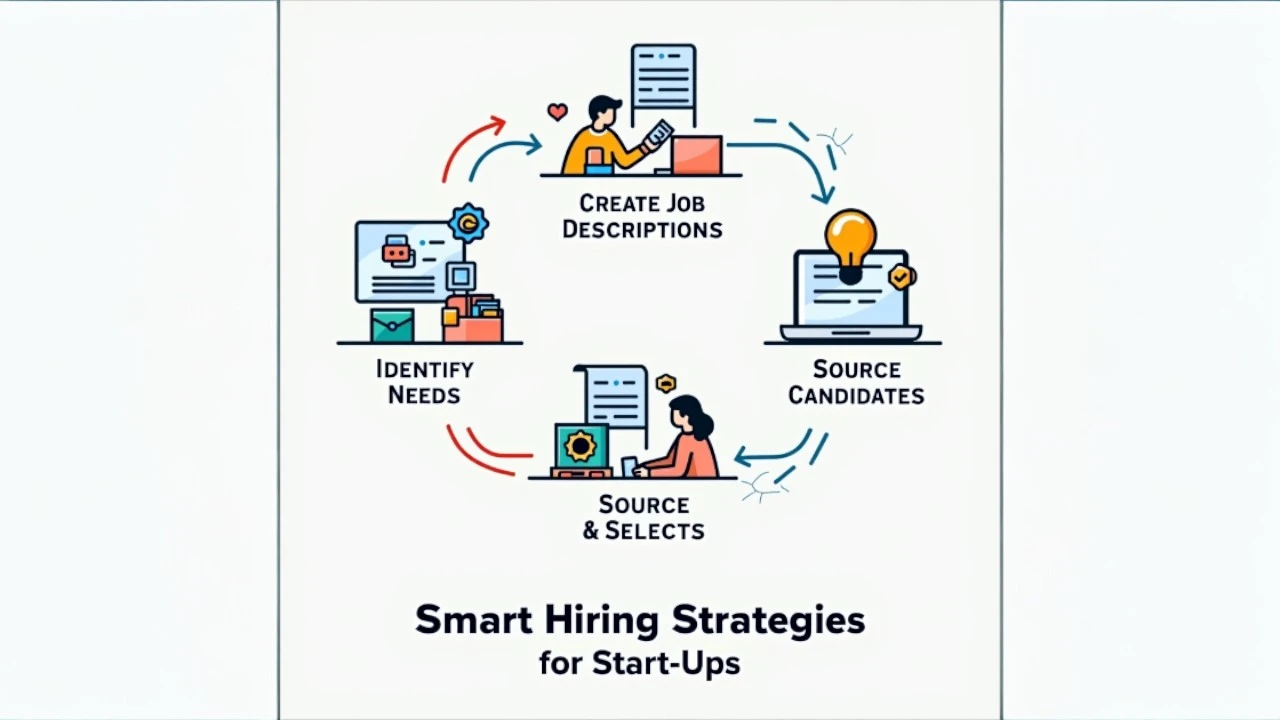
The 5 stages of the recruitment process are: sourcing, screening, interviewing, selecting, and onboarding. These steps involve finding potential candidates, evaluating their qualifications, conducting interviews, choosing the best fit, and integrating the selected candidate into the organization.
What Are The 7 Steps In The Selection Process?
The 7 steps in the selection process are application review, initial screening, testing, interviewing, background checks, selection decision, and job offer.
Conclusion
In crafting a winning recruitment process, it’s crucial to prioritize candidate experience and streamline communication. Embracing technology, leveraging data, and nurturing company culture will set the stage for success. By continuously evaluating and refining your process, you can attract top talent and drive organizational growth.
Always aim for a candidate-centric approach to ensure a competitive edge in the ever-evolving talent landscape.