



How Entrepreneurship Insights Is Shaping the Future of Business
The business world is evolving faster than ever. Traditional corporate hierarchies and fixed strategies no longer guarantee success. Instead,
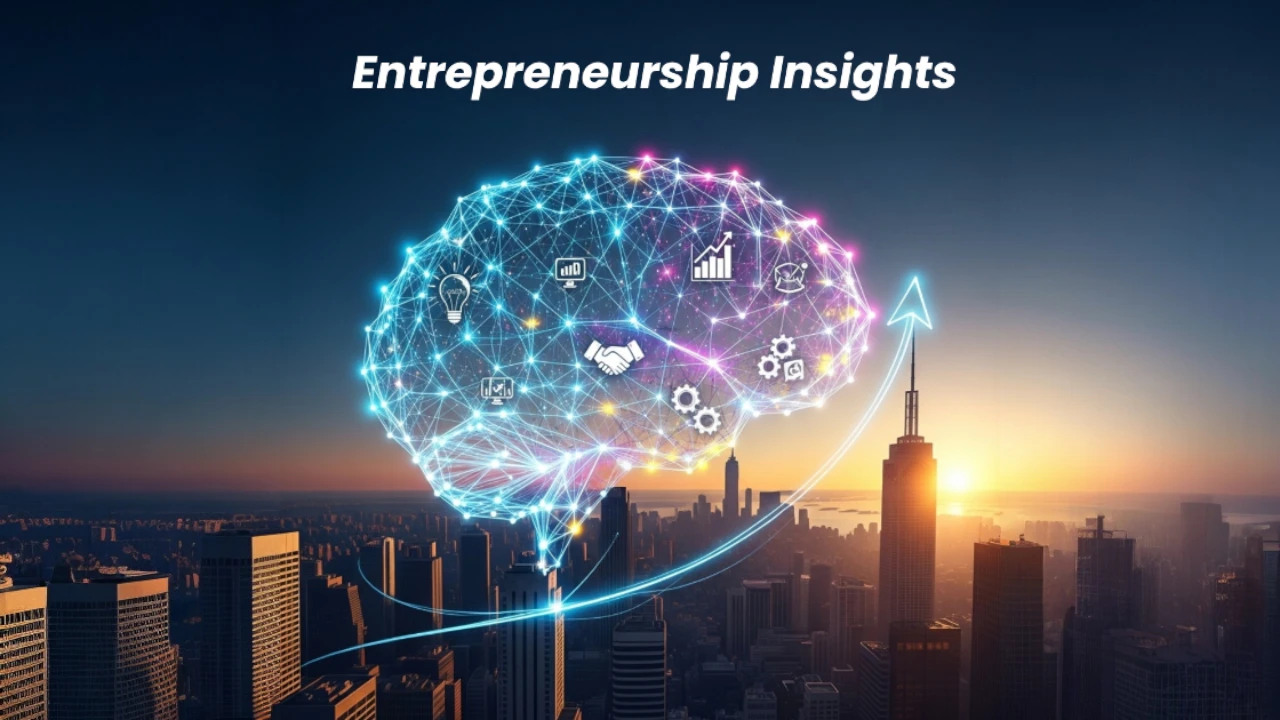
The business world is evolving faster than ever. Traditional corporate hierarchies and fixed strategies no longer guarantee success. Instead, entrepreneurial thinking and insights are becoming the driving force behind innovation, growth, and resilience.
Entrepreneurs are not just business owners—they are problem-solvers, innovators, and visionaries who anticipate trends and adapt to changing markets. By understanding entrepreneurship insights, businesses of all sizes can adopt strategies that promote agility, competitiveness, and long-term success.
In this article, we explore how entrepreneurship insights are shaping the future of business, why they matter, and how companies can leverage these insights to thrive in 2026 and beyond.
Understanding Entrepreneurship Insights
Entrepreneurship insights refer to knowledge, strategies, and lessons derived from entrepreneurial experience. These insights include understanding market needs, leveraging innovation, managing risk, and creating value.
Key Components of Entrepreneurship Insights
- Market Awareness: Identifying gaps, trends, and customer pain points.
- Innovation Mindset: Turning ideas into products, services, or solutions.
- Risk Management: Balancing opportunity and uncertainty effectively.
- Agility and Adaptability: Pivoting business strategies when needed.
- Leadership & Vision: Inspiring teams and stakeholders to embrace change.
These insights guide businesses in navigating uncertainty, responding to market demands, and sustaining competitive advantages.
Why Entrepreneurship Insights Are Crucial Today
The modern business environment is characterized by rapid technological advancements, changing consumer behaviors, and global competition.
Entrepreneurship insights help companies:
- Anticipate Market Changes – Businesses can proactively address trends rather than react to them.
- Drive Innovation – Entrepreneurs experiment and iterate, producing disruptive ideas.
- Enhance Customer Experience – Insights enable a customer-centric approach, improving satisfaction and loyalty.
- Increase Operational Efficiency – Agile problem-solving reduces costs and optimizes resources.
- Foster Growth Mindset – Encouraging creativity and calculated risk-taking leads to sustainable growth.
Companies that integrate entrepreneurial insights are more resilient, forward-thinking, and competitive.
Key Entrepreneurship Insights Shaping the Future of Business
1. Embracing Technology and Digital Transformation
Entrepreneurs understand that technology is not optional—it’s critical. Insights include:
- Adopting AI, machine learning, and automation to improve operations.
- Utilizing cloud-based systems for scalability and remote work.
- Leveraging data analytics to make informed decisions.
Businesses embracing digital transformation are better positioned to innovate and scale.
2. Customer-Centric Business Models
Entrepreneurship insights emphasize deep understanding of customer needs:
- Personalization of products and services.
- Rapid feedback loops to improve offerings.
- Engagement through digital platforms and social media.
Customer-centric businesses outperform competitors and build long-term loyalty.
3. Lean Operations and Agile Strategies
Entrepreneurs often use lean methodologies:
- Minimizing waste while maximizing value.
- Iterative development and testing of products.
- Quick pivoting when market conditions change.
Agility enables businesses to respond faster than larger, rigid organizations.
4. Innovation-Driven Culture
Innovation is the cornerstone of entrepreneurship:
- Encouraging experimentation and creative problem-solving.
- Rewarding calculated risks and learning from failures.
- Fostering collaborative and cross-functional teams.
An innovation-focused culture allows companies to stay ahead of trends and competitors.
5. Sustainable and Ethical Practices
Modern entrepreneurs recognize the importance of social and environmental responsibility:
- Green operations and sustainable supply chains.
- Ethical business practices that enhance brand reputation.
- Balancing profit with purpose for long-term growth.
Consumers increasingly support companies that align with their values, creating both social impact and profitability.
How Entrepreneurs Are Influencing Traditional Businesses
Traditional corporations are learning from startup agility and entrepreneurial thinking:
- Corporate Innovation Labs: Companies create internal teams to explore new business ideas.
- Strategic Partnerships: Collaborations with startups accelerate innovation.
- Data-Driven Decisions: Corporations adopt analytics for product development and marketing strategies.
- Customer Engagement: Leveraging feedback to improve products faster.
This blend of entrepreneurship insights with established operations is reshaping industries and business models globally.
Entrepreneurship Insights and Future Trends in Business
Several emerging trends are influenced directly by entrepreneurial thinking:
1. Platform Economy
Entrepreneurs build platforms that connect consumers, service providers, and businesses, creating network effects that accelerate growth.
2. Remote and Hybrid Work Models
Startup insights show that flexible work increases productivity and employee satisfaction.
3. Subscription-Based Models
Entrepreneurs innovate with recurring revenue models, ensuring predictable cash flow and long-term sustainability.
4. Artificial Intelligence Integration
AI tools streamline operations, enhance decision-making, and personalize customer experiences.
5. Purpose-Driven Business
Entrepreneurs emphasize social impact, sustainability, and community engagement, influencing future corporate strategies.
Strategies for Businesses to Leverage Entrepreneurial Insights
1. Adopt a Growth Mindset
Encourage teams to embrace challenges, experiment, and learn from failures.
2. Foster Innovation
Create spaces for creative collaboration, rapid prototyping, and continuous improvement.
3. Engage Customers
Implement real-time feedback systems and co-creation opportunities to improve products.
4. Embrace Digital Tools
Utilize AI, cloud computing, and analytics to make data-driven decisions.
5. Cultivate Leadership
Train leaders to think entrepreneurially, make agile decisions, and inspire teams.
Internal Link Suggestions
You could link to related content such as:
- “Top Business Strategies for Startups in 2026”
- “How Innovation Drives Long-Term Business Growth”
- “Digital Transformation Tips for Modern Entrepreneurs”
External Authoritative Sources for E-E-A-T
- Harvard Business Review – Entrepreneurship Insights
- Forbes – Future of Business & Innovation
- McKinsey & Company – Digital Transformation
- World Economic Forum – Innovation & Business Trends
- Kauffman Foundation – Entrepreneurship Studies
FAQs
1. What are entrepreneurship insights?
Entrepreneurship insights are knowledge and strategies derived from entrepreneurial experience, including innovation, market awareness, and risk management.
2. How do entrepreneurship insights impact traditional businesses?
They enable corporations to innovate faster, adapt to market changes, and implement customer-centric strategies.
3. Can large companies adopt entrepreneurial thinking?
Yes. By fostering agility, innovation culture, and lean processes, even large organizations can benefit.
4. Why is customer-centric innovation important?
Understanding and responding to customer needs ensures loyalty, drives growth, and reduces market risks.
5. How will entrepreneurship shape business in 2026?
Entrepreneurial thinking will drive digital transformation, platform-based business models, purpose-driven practices, and agile innovation strategies.
Conclusion
Entrepreneurship insights are shaping the future of business by promoting innovation, agility, and customer-centric strategies. Companies that adopt these insights can navigate disruption, create value, and sustain growth in a rapidly changing world.
For entrepreneurs and innovators, the key takeaway is clear: think like an entrepreneur, act with purpose, and embrace continuous innovation. Businesses that internalize these principles will define the future of commerce and lead industries in 2026 and beyond.