




The Benefits of CRM for E-Commerce Businesses
CRM (Customer Relationship Management) systems empower e-commerce businesses to understand customers, streamline interactions, and drive sales. By centralizing data,
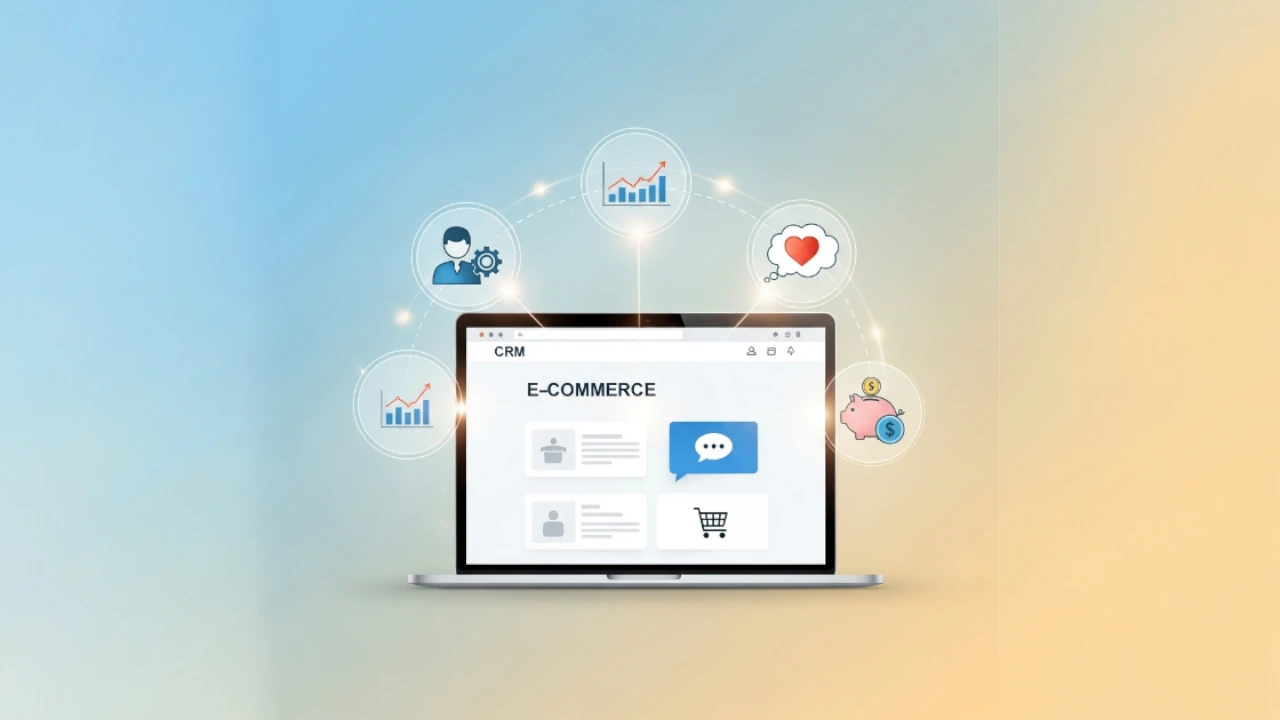
CRM (Customer Relationship Management) systems empower e-commerce businesses to understand customers, streamline interactions, and drive sales. By centralizing data, personalizing experiences, automating marketing, and improving customer support, e-commerce brands can increase revenue, foster loyalty, and optimize operations, creating a seamless shopping experience for every customer.
Customer experience is the heart of e-commerce success. In a competitive digital landscape, businesses must not only attract new customers but also retain them. A CRM system provides the tools and insights to do both—turning casual shoppers into loyal brand advocates.
This guide explores the top benefits of CRM for e-commerce businesses, how it can transform operations, and strategies to maximize results.
Understanding CRM for E-Commerce
CRM, or Customer Relationship Management, is software designed to manage interactions, track data, and enhance customer relationships.
For e-commerce, a CRM centralizes information about:
- Customer purchases
- Browsing behavior
- Preferences
- Support inquiries
- Marketing interactions
By consolidating this data, businesses gain actionable insights to boost engagement, conversions, and loyalty.
Why CRM Is Essential for E-Commerce Businesses
E-commerce faces challenges like:
- High competition
- Customer churn
- Abandoned carts
- Fragmented data
A CRM solves these issues by offering a 360-degree view of customers, enabling personalized marketing, efficient support, and data-driven decisions.
Key advantages include:
- Better customer understanding
- Improved retention rates
- Targeted marketing campaigns
- Streamlined operations
Benefit 1: Centralized Customer Data
Centralizing customer data is foundational. CRM systems:
- Store purchase history
- Track website activity
- Record support interactions
- Monitor engagement across channels
This single source of truth allows teams to make informed decisions and personalize communication effectively.
Benefit 2: Personalized Marketing and Recommendations
Personalization drives sales. CRM enables:
- Targeted email campaigns
- Product recommendations based on purchase history
- Segmented promotions for specific audiences
Personalized experiences increase engagement and conversion rates while building long-term loyalty.
Benefit 3: Enhanced Customer Support
CRM helps e-commerce businesses deliver exceptional customer service. Features include:
- Ticketing systems for quick response
- Knowledge base integration
- Customer history access for personalized support
Quick, informed support increases satisfaction and encourages repeat purchases.
Benefit 4: Improved Customer Retention
Retention is more profitable than acquisition. CRM assists by:
- Sending reminders for abandoned carts
- Offering loyalty rewards or exclusive deals
- Tracking engagement to identify at-risk customers
A proactive CRM strategy strengthens relationships and reduces churn.
Benefit 5: Automation of Marketing and Sales Processes
Automation saves time and ensures consistency. CRM automates:
- Email marketing campaigns
- Follow-ups for abandoned carts
- Post-purchase engagement
- Loyalty program communications
Automation frees teams to focus on strategy while maintaining personalized experiences at scale.
Benefit 6: Insights Through Analytics and Reporting
Data is invaluable. CRM analytics provide:
- Customer behavior patterns
- Sales trends
- Campaign effectiveness
- ROI measurement
Businesses can optimize strategies based on data, improving both marketing and operational decisions.
Benefit 7: Integration With E-Commerce Platforms
Modern CRMs integrate seamlessly with e-commerce tools like:
- Shopify
- WooCommerce
- Magento
- BigCommerce
This integration ensures real-time data flow, smooth operations, and better coordination across sales, marketing, and support teams.
Benefit 8: Streamlined Communication Across Teams
CRM ensures that marketing, sales, and support teams are aligned. Benefits include:
- Shared customer insights
- Clear task assignments
- Coordinated campaigns
This collaboration enhances efficiency and consistency in customer interactions.
Benefit 9: Scalability for Growing Businesses
As e-commerce businesses expand, CRM systems scale with them. They handle:
- Increasing customer data
- Multi-channel engagement
- Complex marketing campaigns
Scalability ensures that business growth doesn’t compromise customer experience or operational efficiency.
Implementing CRM Successfully in E-Commerce
To maximize CRM benefits:
- Define business goals: Retention, conversion, or customer insights.
- Choose the right CRM: Evaluate features, integrations, and pricing.
- Train your team: Ensure everyone knows how to leverage the system.
- Integrate with existing platforms: Sync with e-commerce, email, and analytics tools.
- Continuously monitor and optimize: Adjust campaigns based on insights and trends.
Internal Link Suggestions
- How to Boost E-Commerce Sales With Email Marketing
- Top Tools for E-Commerce Analytics and Insights
- Strategies to Reduce Cart Abandonment in Online Stores
External Sources
- HubSpot: CRM Benefits for E-Commerce
- Salesforce: CRM for Small Businesses
- Forbes: How CRM Drives Customer Loyalty
FAQs
What is the main benefit of CRM for e-commerce?
CRMs centralize customer data, enabling personalized marketing, improved support, and data-driven decision-making.
Can CRM help increase sales?
Yes. By targeting campaigns, recommending products, and automating follow-ups, CRMs boost conversions and revenue.
Do small e-commerce businesses need a CRM?
Absolutely. Even small teams benefit from centralized data, automated marketing, and improved customer relationships.
How does CRM improve customer retention?
CRM allows businesses to track engagement, offer personalized incentives, and proactively manage relationships to reduce churn.
Which CRM platforms are best for e-commerce?
Popular options include Shopify CRM, HubSpot, Salesforce, Zoho CRM, and BigCommerce integrations.
Conclusion
A CRM system is a game-changer for e-commerce businesses. It centralizes data, automates marketing, improves customer support, and provides actionable insights. By implementing a CRM strategically, businesses can increase revenue, foster loyalty, and scale operations efficiently.