

Why Employer Branding Is the Secret Weapon of Successful Hiring
Employer branding is the key to attracting and retaining top talent in today’s competitive job market. It shapes how
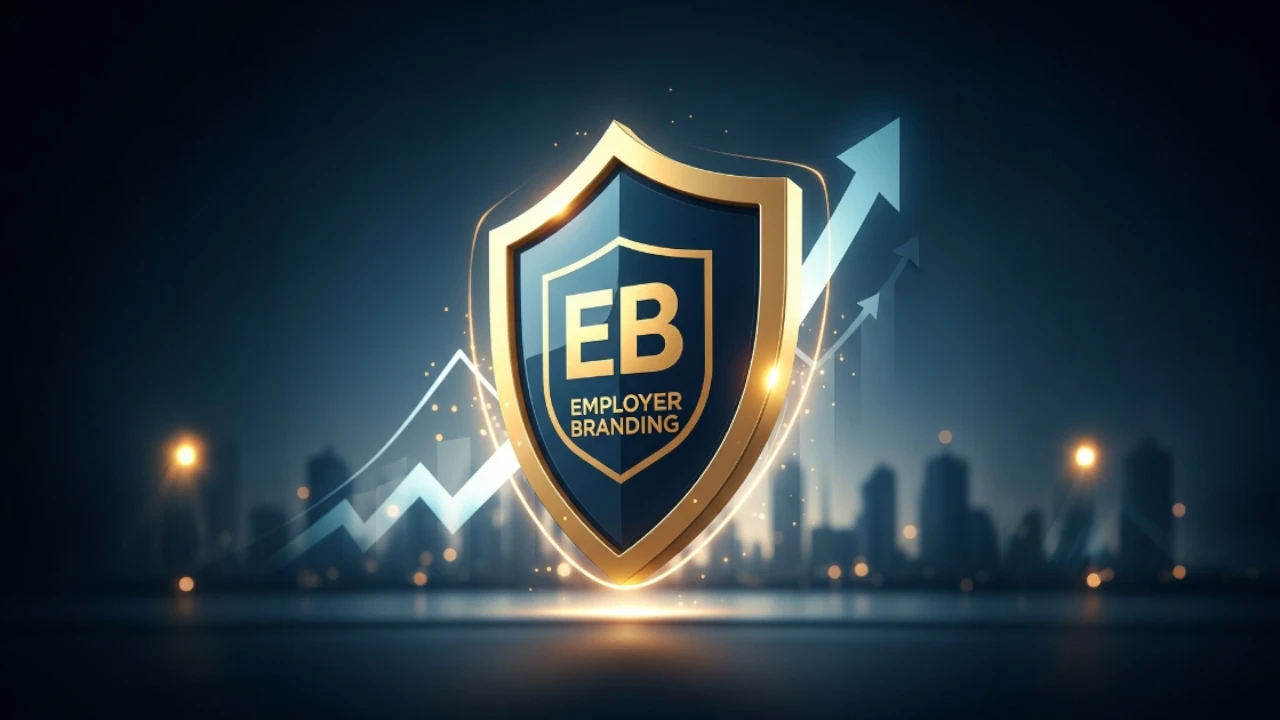
Employer branding is the key to attracting and retaining top talent in today’s competitive job market. It shapes how potential employees perceive your company, influencing who applies, how long they stay, and how engaged they become. Strong employer branding isn’t optional—it’s a strategic advantage that defines hiring success.
What Is Employer Branding—and Why It Matters More Than Ever
In simple terms, employer branding is how your company is perceived as a workplace.
It’s the story employees, candidates, and even the public tell about what it’s like to work with you.
In a world where job seekers have endless options, your reputation as an employer can make or break your recruitment strategy.
A strong employer brand communicates your values, culture, and commitment to employees.
It says, “This is who we are, what we stand for, and why you’ll love working here.”
According to LinkedIn, companies with strong employer brands see 50% more qualified applicants and reduce cost-per-hire by 43%.
That’s not just marketing fluff—it’s a tangible hiring advantage.
How Employer Branding Impacts Successful Hiring
Top talent doesn’t just look for a job—they look for a brand they believe in.
A well-crafted employer brand directly influences three critical areas of hiring success:
- Attraction: The best candidates are drawn to companies with a strong reputation for employee satisfaction.
- Engagement: Employees who identify with your values are more motivated and productive.
- Retention: People stay longer when they feel proud of where they work.
Example:
Google’s reputation as an innovative, inclusive, and employee-focused company means it receives millions of applications yearly—even without excessive recruitment advertising.
The Psychology Behind Employer Branding
Humans are emotional decision-makers.
Before applying for a job, most candidates ask themselves:
👉 “Will I belong here?”
👉 “Do their values match mine?”
👉 “Will my career grow here?”
A strong employer brand answers these questions clearly.
When your online presence, job descriptions, and company culture align with genuine values, you create an emotional connection—and that connection turns applicants into brand advocates.
Elements of a Powerful Employer Brand
Successful companies don’t leave their reputation to chance.
They intentionally build their employer brand around these pillars:
- Company Culture: A positive environment where people feel valued.
- Leadership Style: Transparent, inspiring, and people-first.
- Employee Value Proposition (EVP): What makes working for you different from anyone else.
- Career Development: Opportunities for growth, learning, and impact.
- Work-Life Balance: Modern employees want flexibility and trust.
- Social Responsibility: People want to work for companies that make a difference.
When these elements are authentic and consistently communicated, they form a magnetic employer brand that draws the right people to your business.
Employer Branding vs. Recruitment Marketing: The Key Difference
It’s easy to confuse employer branding with recruitment marketing, but they’re not the same.
- Employer Branding is your long-term reputation as a great place to work.
- Recruitment Marketing is how you promote specific roles using that reputation.
Think of branding as planting the tree and marketing as harvesting the fruit.
Without a strong brand foundation, even the best recruitment campaigns will fall flat.
How Fortune 500 Companies Use Employer Branding to Attract Talent
Fortune 500 companies have mastered the art of employer branding—and there’s a lot smaller businesses can learn from them.
Example 1: Microsoft
Microsoft’s “Come as you are. Do what you love.” slogan humanizes the brand and attracts diverse talent by emphasizing authenticity and inclusion.
Example 2: Salesforce
Salesforce highlights its “Ohana Culture” of family and unity, using storytelling and employee testimonials to build emotional connections with job seekers.
Example 3: Unilever
Unilever’s employer brand centers around sustainability and purpose, appealing to millennials and Gen Z professionals who value impact-driven careers.
These companies understand that the best way to attract great people is to show that you care about people—not just profit.
How to Build a Strong Employer Brand: A Step-by-Step Guide
Creating an employer brand that attracts top talent takes strategy and authenticity. Here’s a proven roadmap:
Step 1: Define Your Employee Value Proposition (EVP)
Ask yourself:
- What makes our company unique as an employer?
- Why do people love working here?
- What do we offer beyond salary?
Your EVP should summarize these answers in one sentence—your brand promise to current and future employees.
Example: “At [Your Company], we empower people to grow, innovate, and make an impact every day.”
Step 2: Collect Real Employee Stories
Authenticity sells.
Encourage employees to share their experiences on LinkedIn, company blogs, or videos.
Real stories build credibility—something job seekers trust more than corporate claims.
Step 3: Optimize Your Online Presence
Your website and social media profiles should reflect your culture and values.
- Add an “Inside [Company]” section on your careers page.
- Feature testimonials, photos, and behind-the-scenes content.
- Keep your Glassdoor and Indeed profiles updated and honest.
Step 4: Align Leadership and HR Communication
Your leaders must embody your brand. When CEOs or managers share stories about company culture, it humanizes your brand and strengthens emotional trust.
Step 5: Celebrate and Share Wins
Share team achievements, milestones, and CSR efforts. Every celebration adds to the positive perception of your company as a great place to work.
The Role of Social Media in Employer Branding
Social media is no longer just for marketing—it’s your window into workplace culture.
Platforms like LinkedIn, Instagram, and TikTok allow potential employees to “peek” into your daily work life.
To leverage it effectively:
- Post employee highlights and behind-the-scenes moments.
- Use hashtags like #LifeAt[YourCompany] or #Inside[YourBrand].
- Respond to comments and reviews actively.
- Share thought leadership from your executives.
Pro Tip: Video content performs best. A 60-second “day in the life” clip of your team can attract more engagement than any job post.
Employer Branding in Remote and Hybrid Work Era
Post-pandemic, workplace flexibility is a huge part of brand perception.
Companies that embrace remote or hybrid cultures are seen as progressive and people-oriented.
To strengthen your employer brand in this era:
- Highlight your remote work culture in job listings.
- Offer digital onboarding and virtual team-building activities.
- Prioritize mental health and well-being.
Show that you care about employees as humans, not just workers.
How Employer Branding Reduces Hiring Costs
Employer branding doesn’t just attract better talent—it saves money.
Strong brands spend less on ads, recruitment agencies, and job promotions because people come to them.
They also experience:
- Faster hiring cycles
- Lower employee turnover
- Higher employee referrals
According to Glassdoor, 69% of job seekers are more likely to apply to a company that actively manages its employer brand.
Measuring the Success of Your Employer Branding
You can’t improve what you don’t measure.
Track these metrics to evaluate your progress:
- Application-to-hire ratio (Are you attracting quality candidates?)
- Employee retention rate
- Candidate satisfaction surveys
- Social media engagement on culture-related content
- Glassdoor ratings and reviews
Analyzing this data helps you refine your strategy and continuously strengthen your employer brand.
Common Employer Branding Mistakes to Avoid
Even great companies make branding mistakes. Avoid these pitfalls:
- Overpromising perks or culture you can’t sustain.
- Ignoring employee feedback on platforms like Glassdoor.
- Inconsistent messaging between HR and marketing.
- Lack of internal engagement—your team should live the brand values first.
Remember: Employer branding is not a marketing trick—it’s a reflection of real culture.
Conclusion: Your Employer Brand Is Your Hiring Superpower
In today’s talent-driven market, salary isn’t enough to win the best candidates.
People want purpose, culture, and growth.
When your company becomes a place people love to work, hiring becomes effortless—and retention becomes natural.
Employer branding isn’t just a buzzword; it’s your secret weapon for sustainable success.
Start building your narrative today, and watch how the right people find you.
FAQs
Q1: What is an employer brand?
An employer brand is your company’s reputation as a workplace. It reflects how employees and job seekers perceive your culture, values, and leadership.
Q2: Why is employer branding important for hiring?
A strong employer brand attracts top talent, reduces recruitment costs, and improves employee retention—making hiring more effective and efficient.
Q3: How can small businesses build an employer brand?
Start with authentic storytelling, employee testimonials, and a clear EVP. You don’t need a big budget—just consistency and transparency.
Q4: How does social media affect employer branding?
Social media allows potential employees to see your culture in real time. Regular, authentic posts help build trust and attract like-minded professionals.
Q5: How do I know if my employer branding is working?
Monitor metrics like application volume, retention rate, social engagement, and Glassdoor reviews. Positive trends indicate a strong employer brand.
Internal Link Suggestions:
External Link Suggestions: