


How an Entrepreneur Turned a Small Idea into a Global Empire
Introduction: Big Dreams Start Small Every global brand you know—whether it’s Amazon, Spanx, or Airbnb—began with a small idea.
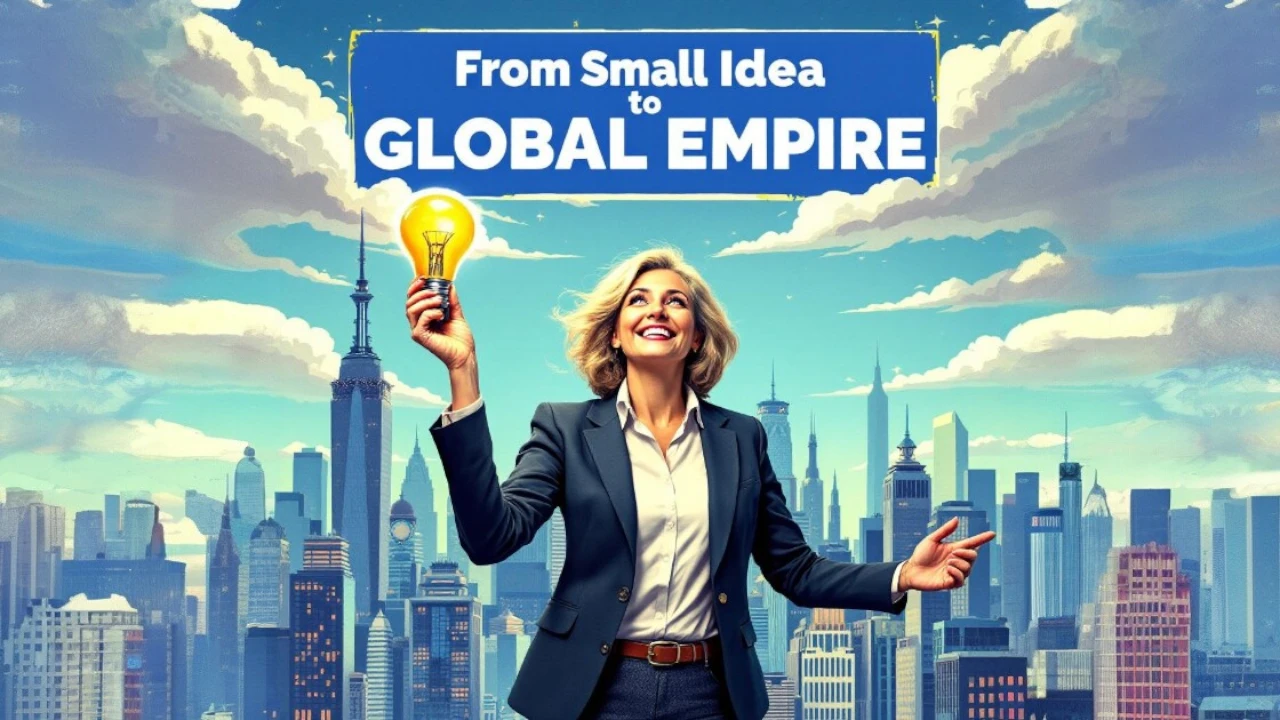
Introduction: Big Dreams Start Small
Every global brand you know—whether it’s Amazon, Spanx, or Airbnb—began with a small idea. One spark of inspiration, often born from frustration or a personal need, can become the foundation of something world-changing.
What separates the dreamers from the empire builders? Execution. Strategy. Grit. Vision.
In this article, we break down the journey of a bold entrepreneur who transformed a small, unproven idea into a thriving global business empire—and reveal the proven tactics and mindset shifts that helped them rise to the top.
If you’ve ever wondered how to take your idea to the world, this is the blueprint.
Spotting the Opportunity Others Missed
Great businesses often begin by solving a real problem. The entrepreneur in our story didn’t wait for the perfect product or ideal timing—they noticed a gap in the market that no one else was addressing.
They asked:
- “What frustrates people every day?”
- “What could be simpler, faster, cheaper, or better?”
- “Why hasn’t someone fixed this yet?”
Identifying an underserved niche gave them first-mover advantage. Instead of trying to build something trendy, they created something timeless and necessary.
Validating the Idea on a Small Scale
Before launching a global brand, this entrepreneur started lean. They:
- Created a basic prototype or MVP (minimum viable product)
- Tested the idea with real users
- Gathered feedback and iterated
They didn’t pour thousands into branding or manufacturing up front. They used early customer insights to refine their offering and ensure there was real demand before scaling.
This approach reduced risk and ensured they were building something people genuinely wanted.
Bootstrapping with Limited Resources
With no big investors in the beginning, the founder had to rely on:
- Personal savings
- Small sales reinvested into the business
- Leveraging free or low-cost marketing strategies (like word-of-mouth and social media)
Resourcefulness became their superpower. They learned to do more with less, wearing multiple hats—from marketer to customer support rep to product developer.
This phase taught discipline, focus, and resilience—traits that would prove essential later on.
Creating a Strong Brand from Day One
Even with limited funds, the entrepreneur knew that branding matters. It’s not just about logos or colors—it’s about the promise and personality behind your business.
They focused on:
- A clear, memorable brand message
- Consistent voice and visuals across channels
- Building trust through transparency and authenticity
This brand identity made the company stand out in a crowded market, and built an emotional connection with early adopters.
Leveraging Digital Marketing for Explosive Growth
Once the product-market fit was established, the founder turned to scalable marketing. They harnessed the power of:
- Content marketing (blogs, videos, podcasts)
- Social proof (testimonials, influencer collaborations)
- Facebook and Google ads for targeted reach
- Email marketing to build long-term customer loyalty
By understanding their ideal customer deeply, they crafted messages that converted—and used analytics to optimize every campaign for ROI.
This data-driven approach helped them grow fast without wasting resources.
Scaling the Operations Without Losing Control
As sales increased, they focused on building systems, not just chasing sales.
They:
- Automated repetitive tasks
- Outsourced non-core work (e.g., fulfillment, customer support)
- Created SOPs (Standard Operating Procedures) for team members
- Hired slowly and strategically
Instead of chasing growth blindly, they built a foundation that could scale without chaos—allowing them to focus on strategy, partnerships, and innovation.
Expanding Internationally with Local Sensitivity
Taking the brand global wasn’t about copy-pasting the original model. The entrepreneur understood the importance of cultural nuance and local market research.
They tailored:
- Product variations for different regions
- Localized marketing messages and content
- Strategic partnerships with regional distributors or influencers
This respectful, informed approach earned the trust of international audiences and prevented cultural missteps—essential for global success.
Adapting and Innovating to Stay Ahead
The most successful empires don’t stand still. They innovate constantly.
This founder continued to:
- Launch new product lines based on customer feedback
- Expand into adjacent markets
- Invest in R&D and emerging tech
- Monitor industry trends and pivot quickly when needed
By staying agile and customer-centric, the brand remained relevant, competitive, and future-focused.
Building a Legacy, Not Just a Business
As the company grew, so did the founder’s impact. They shifted focus from just profits to purpose—creating a business that made a difference.
They prioritized:
- Ethical sourcing and sustainability
- Giving back through foundations or charitable initiatives
- Empowering their team with leadership opportunities
- Inspiring the next generation of entrepreneurs
Today, their brand isn’t just profitable—it’s respected, admired, and mission-driven. That’s the true mark of an empire.
Key Lessons from the Journey
What can you learn from this incredible success story?
- Start small, but think big. Don’t wait for perfect—launch, learn, and grow.
- Solve real problems. The best ideas fix frustrations or unmet needs.
- Be relentless. Resilience matters more than resources.
- Invest in your brand. It’s your reputation, not just your logo.
- Use data to scale smart. Test, tweak, and repeat.
- Stay adaptable. What got you here won’t get you there.
- Focus on impact. Purpose-driven businesses win hearts and markets.
Conclusion: From Idea to Empire—Your Turn
The journey from a small idea to a global brand isn’t reserved for geniuses or billionaires. It’s for those who take action, learn relentlessly, and never stop evolving.
If you have an idea burning inside you—start now. It doesn’t have to be perfect. It just has to solve a real problem and bring value to others.
With the right mindset, strategy, and persistence, your small idea could be the next global empire.
So ask yourself:
What problem can you solve?
What movement can you start?
What empire can you build?
The answer could change the world.
Frequently Asked Questions (FAQs)
Can you really build a global brand without investors?
Yes. Many successful entrepreneurs bootstrap by reinvesting profits, leveraging free marketing, and growing organically until they can scale.
What’s the most important first step?
Validating your idea. Before branding or scaling, ensure real people want your product and are willing to pay for it.
How long does it take to build a global business?
It varies—some take years, others scale quickly. What matters most is consistency, adaptability, and solving a scalable problem.
What if I don’t have business experience?
Start learning through books, podcasts, mentors, and hands-on experimentation. Many top founders were beginners once.
How do I take my business international?
Research local markets, respect cultural differences, localize your messaging, and consider partnerships for regional entry.
Recommended Resources for Aspiring Entrepreneurs
- Y Combinator’s Startup School
- The Lean Startup by Eric Ries
- How I Built This Podcast – NPR
- Foundr Magazine
- SCORE Mentorship Program
Would you like a Facebook post, LinkedIn caption, or email promotion to go with this article? Let me know!