



How to Attract Top Candidates with Your Company’s Unique Employer Value Proposition (EVP)
In today’s competitive job market, top talent has options. Salary alone won’t win them over—they want culture, purpose, and
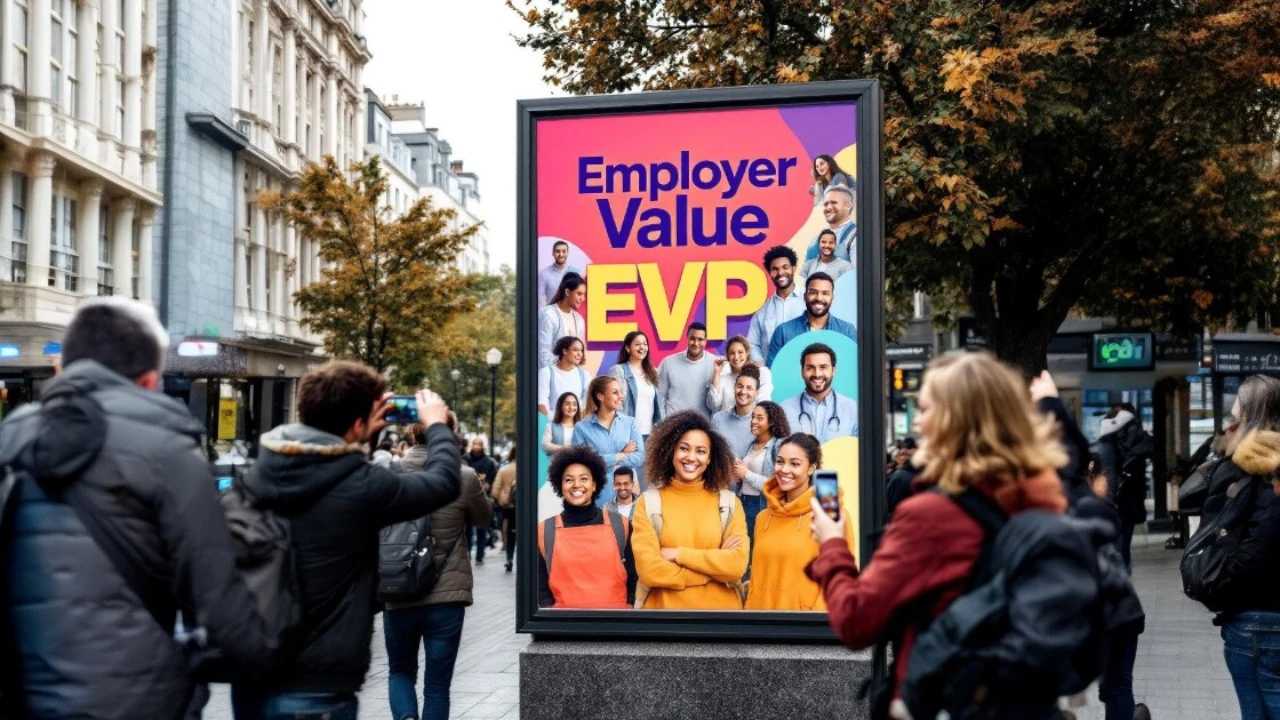
In today’s competitive job market, top talent has options. Salary alone won’t win them over—they want culture, purpose, and growth opportunities. If your company isn’t clearly communicating why it’s the best place to work, you’re losing A-players to competitors.
Your Employer Value Proposition (EVP) is your secret weapon. It’s the unique promise you make to employees in exchange for their skills and commitment. A strong EVP:
✔ Reduces hiring costs by attracting qualified applicants.
✔ Lowers turnover by aligning expectations.
✔ Builds a talent pipeline of engaged candidates.
In this guide, you’ll learn how to define, communicate, and leverage your EVP to attract—and retain—the best talent.
What Is an Employer Value Proposition (EVP)?
Your EVP is the total employee experience you offer, including:
- Compensation & benefits (salary, equity, healthcare).
- Career growth (promotions, learning opportunities).
- Work culture (flexibility, mission, team dynamics).
- Work-life balance (remote options, PTO policies).
Example:
- Google’s EVP: “A place where you can solve big problems, grow your career, and enjoy unmatched perks.”
- Patagonia’s EVP: “Work for a purpose-driven company that values sustainability and adventure.”
Why Most Companies Fail at EVP (And How to Fix It)
Mistake #1: Being Too Generic
❌ “We offer competitive salaries and a great culture!” (Every company says this.)
✅ Fix: Be specific. “Profit-sharing for all employees after Year 1” or “4-day workweeks in summer.”
Mistake #2: Not Aligning with Employee Needs
Top candidates care about different things at different stages:
- Early-career: Learning, mentorship.
- Mid-career: Advancement, leadership opportunities.
- Late-career: Flexibility, legacy projects.
Fix: Tailor your EVP messaging by role/seniority.
Mistake #3: Not Walking the Talk
If your EVP promises “work-life balance” but employees burn out, trust erodes.
Fix: Audit employee feedback (Glassdoor, exit interviews) and close gaps.
How to Define Your EVP (Step-by-Step)
Step 1: Research What Makes You Unique
- Survey employees: “Why do you stay here?”
- Analyze competitors: What do they offer? How can you differentiate?
- Review exit interviews: Why do people leave?
Step 2: Identify Your Key EVP Pillars
Most strong EVPs focus on 3-5 core themes, such as:
- Impact: “Your work changes lives.”
- Growth: “Rapid promotions for high performers.”
- Autonomy: “Fully remote with flexible hours.”
Step 3: Craft a Compelling EVP Statement
Formula:
“At [Company], we offer [unique benefit #1], [unique benefit #2], and [unique benefit #3]—all while [mission/culture differentiator].”
Example (Tech Startup EVP):
“At NovaTech, you’ll build cutting-edge AI with a top 1% engineering team, enjoy equity from Day 1, and work remotely from anywhere—all while solving problems that impact millions.”
How to Communicate Your EVP to Attract Talent
1. Optimize Your Career Page
- Replace generic “Join Our Team!” with employee stories, videos, and clear EVP messaging.
- Example: Shopify’s career page highlights “Build a career, not just a resume” with real employee testimonials.
2. Leverage Social Media & Employer Branding
- LinkedIn: Share behind-the-scenes culture posts (e.g., team retreats, learning stipends).
- Instagram/TikTok: Showcase office life, employee takeovers.
- Glassdoor: Encourage happy employees to leave reviews.
3. Train Recruiters to Sell Your EVP
- Arm recruiters with EVP talking points for interviews.
- Example: “Unlike big corporations, we promote from within every 12-18 months.”
4. Highlight EVP in Job Descriptions
Bad: “Looking for a motivated salesperson.”
Good: “Join a sales team with uncapped commissions, 3x industry-average ramp time, and quarterly luxury incentive trips.”
Real-World EVP Examples That Work
1. HubSpot
- EVP Pillars: Flexibility, transparency, career growth.
- Key Perk: Unlimited vacation + 4-week sabbatical every 5 years.
2. Airbnb
- EVP Pillars: Belonging, travel, innovation.
- Key Perk: $2,000 yearly travel credit to stay in Airbnbs.
3. Buffer
- EVP Pillars: Remote work, transparency, wellness.
- Key Perk: 4-day workweeks at full pay.
How to Measure EVP Success
Track these recruiting & retention metrics:
✔ Application rates (increase after EVP updates?).
✔ Offer acceptance rates (are candidates choosing you?).
✔ Employee retention (are people staying longer?).
✔ Glassdoor ratings (improving over time?).
FAQs
How is EVP different from employer branding?
- EVP = What you offer employees.
- Employer branding = How you market it externally.
Can small companies compete with big-brand EVPs?
Yes! Niche perks (e.g., “Pet-friendly office” or “No-meeting Fridays”) can win over talent.
How often should we update our EVP?
Re-evaluate every 1-2 years or after major company changes.
What if we can’t offer high salaries?
Highlight non-monetary perks (learning budgets, flexibility, mission).
How do we validate our EVP before launching?
Test messaging with employee focus groups and candidate surveys.
Conclusion
Your Employer Value Proposition is your competitive edge in hiring. Top candidates don’t just want a job—they want an experience that aligns with their values and ambitions.
To attract the best talent:
✔ Define what makes your company uniquely rewarding.
✔ Communicate it everywhere (career pages, job posts, social media).
✔ Deliver on your promises to build trust and retention.
Next Steps:
- Survey employees this week to uncover your true EVP.
- Rewrite 1-2 job descriptions with stronger EVP messaging.
- Track candidate response rates to refine your approach.
The best hires are out there—they’re just waiting for the right employer to stand out. Will it be you?
Want to dive deeper? Check out:
Now go build an EVP that makes top talent say, “I need to work here.” 🚀