


How to Use Programmatic Advertising to Save Time and Money
Why Programmatic Advertising Is the Future of Digital Marketing In today’s fast-paced digital landscape, manual ad buying is no
Why Programmatic Advertising Is the Future of Digital Marketing
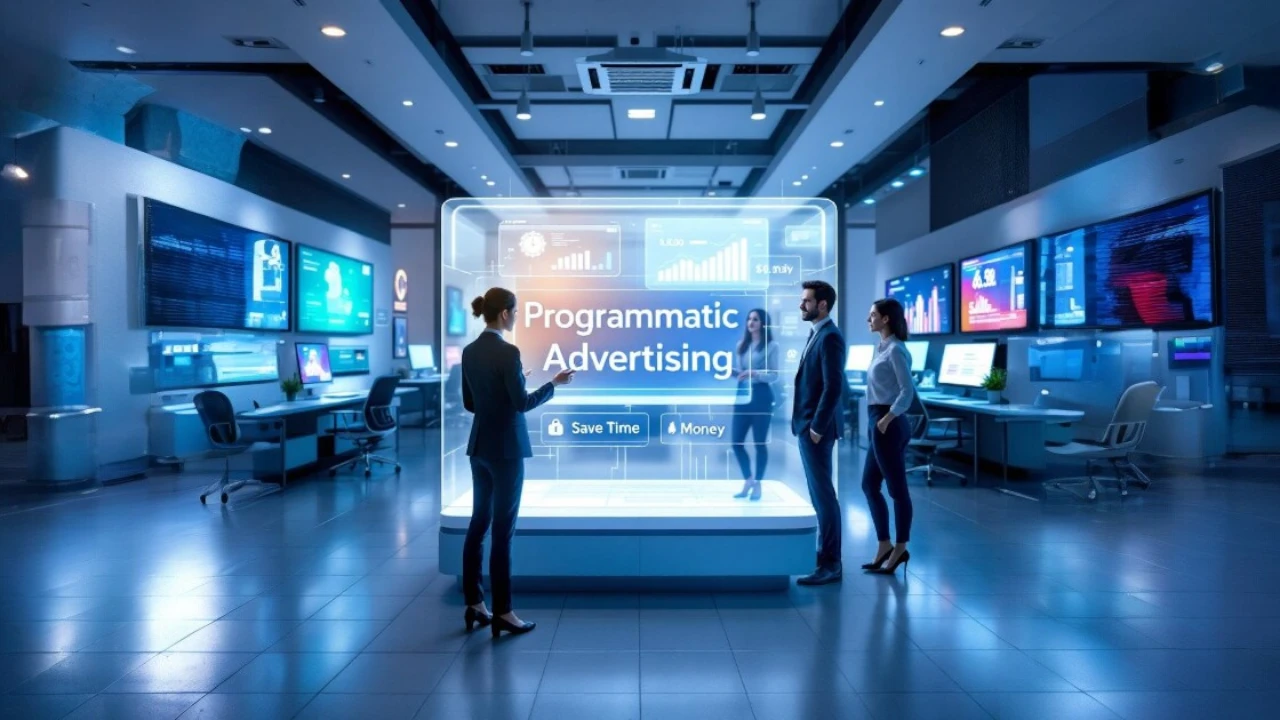
In today’s fast-paced digital landscape, manual ad buying is no longer efficient or scalable. If you’re still relying on traditional methods to manage your ad campaigns, you’re probably wasting valuable time and money. Enter programmatic advertising—a game-changing approach that automates the process of buying and placing ads across the web using real-time data and AI-powered platforms.
Whether you’re a small business owner or a marketing manager at a global brand, learning how to use programmatic advertising effectively can revolutionize your strategy. It offers precision targeting, cost-efficiency, and measurable ROI—all without the guesswork.
In this comprehensive guide, you’ll learn everything you need to know to start using programmatic advertising to your advantage and drive better results with less effort.
What Is Programmatic Advertising?
Programmatic advertising is the automated buying and selling of digital ad space in real-time, using algorithms and data insights to target the right audience at the right time. Unlike manual advertising, which involves negotiations and human intervention, programmatic campaigns run through Demand Side Platforms (DSPs) that bid on ad inventory in milliseconds.
Key Components of Programmatic Advertising
- DSPs (Demand Side Platforms): Where advertisers buy digital ad impressions.
- SSPs (Supply Side Platforms): Where publishers list their available ad space.
- Ad Exchanges: The marketplace connecting DSPs and SSPs.
- Data Management Platforms (DMPs): Help advertisers use audience data for precise targeting.
How Programmatic Advertising Saves You Time
Time is money—especially in marketing. Programmatic platforms streamline what used to be a complex, multi-step process.
Automated Buying and Bidding
Instead of manually contacting publishers, programmatic tech automates the bidding and placement process, often completing transactions in under 100 milliseconds.
Real-Time Adjustments
Programmatic platforms provide real-time analytics and insights, enabling immediate optimization of your ads without having to restart or reschedule your campaigns.
Centralized Campaign Management
You can manage multi-channel campaigns (display, mobile, video, native) from one dashboard. This saves you the time spent juggling multiple platforms.
How Programmatic Advertising Helps You Cut Costs
Spending more doesn’t always mean better results. Programmatic advertising helps you get more from your budget by optimizing ad spend in real time.
Efficient Targeting Reduces Wasted Impressions
Programmatic campaigns use behavioral, contextual, and geographic targeting, ensuring your ads are seen by users most likely to convert.
Real-Time Bidding (RTB) Prevents Overpaying
With RTB, you only pay the market rate for ad impressions, ensuring you never overspend on less effective placements.
Performance-Based Optimization
Platforms automatically adjust bids and targeting strategies based on performance metrics like click-through rates (CTR), conversion rates, and engagement—leading to better ROI with less manual effort.
Types of Programmatic Advertising You Can Leverage
Understanding the formats available helps you tailor your campaigns to specific goals and audiences.
Display Advertising
Automated banner ads on websites and apps.
Video Advertising
Programmatic video ads appear before, during, or after content on platforms like YouTube or OTT services.
Native Advertising
In-feed or content-recommendation ads that blend with the platform’s layout.
Audio Advertising
Ads served during podcasts, music streaming, or radio apps.
DOOH (Digital Out-of-Home)
Digital billboards and signage powered by programmatic platforms.
How to Launch a Programmatic Advertising Campaign
Let’s break down the step-by-step strategy to launch your first campaign with clarity and efficiency.
Set Clear Campaign Goals
Start with SMART objectives:
- Drive website traffic
- Generate leads
- Boost brand awareness
- Increase sales conversions
Choose the Right DSP
Some popular DSPs include:
- Google Display & Video 360
- The Trade Desk
- MediaMath
- Amazon DSP
Define Your Target Audience
Use first-party, second-party, and third-party data to build detailed audience personas.
Design Compelling Creatives
Develop high-quality visuals and ad copy tailored to different formats and devices.
Set Budget and Bidding Strategy
Choose between CPM (Cost Per Mille), CPC (Cost Per Click), or CPA (Cost Per Acquisition) based on your campaign goals.
Monitor, Analyze, and Optimize
Track KPIs regularly and let the platform optimize performance through A/B testing, frequency capping, and audience refinement.
Best Practices to Maximize ROI with Programmatic Ads
To stay ahead of the competition and make every penny count, follow these best practices:
Use Data-Driven Targeting
Segment your audience using behavioral data, demographics, and psychographics.
Leverage Lookalike Audiences
Reach new customers who resemble your highest-value users using lookalike modeling.
Test Creatives and Formats
Don’t rely on one design—run multiple creatives and analyze which performs best.
Limit Ad Fatigue with Frequency Capping
Avoid overwhelming users with the same ad repeatedly.
Ensure Brand Safety
Use tools like IAS (Integral Ad Science) or DoubleVerify to keep your ads off inappropriate or irrelevant content.
Common Mistakes to Avoid in Programmatic Advertising
Even automated systems require smart oversight. Here are pitfalls you should watch for:
- Ignoring Data Privacy Regulations: Always comply with GDPR, CCPA, and other relevant laws.
- Relying Solely on Third-Party Data: Supplement with first-party insights for accuracy.
- Setting Broad Targeting Parameters: Overly wide targeting can drain your budget fast.
- Neglecting Creative Testing: A great platform can’t compensate for poor creatives.
- Failing to Monitor Metrics: Automation is powerful, but it still needs human direction.
Top Tools and Platforms to Supercharge Your Campaigns
Incorporate these tools for enhanced performance and tracking:
- Google Display & Video 360: Great for full-stack advertising across channels.
- The Trade Desk: Offers powerful audience segmentation and cross-device targeting.
- AdRoll: Ideal for retargeting campaigns and eCommerce brands.
- MOAT Analytics: For tracking ad viewability and engagement.
- SmartyAds or StackAdapt: Good entry points for mid-sized advertisers.
Benefits Beyond Time and Cost Savings
Programmatic advertising doesn’t just save time and money—it drives deeper engagement and smarter decision-making.
Precision and Scalability
Easily expand campaigns across geographies and platforms without manual scaling.
Increased Transparency
Real-time dashboards give you full visibility into where your money goes and what results you’re getting.
Better Customer Experience
Serve relevant, personalized ads that feel less like interruptions and more like value.
Conclusion: Start Using Programmatic Advertising to Scale Smarter, Not Harder
If you’re still pouring hours into manual ad placements or burning budget on underperforming campaigns, it’s time to switch. Programmatic advertising allows you to automate smarter, scale faster, and target sharper—all while keeping your costs under control.
By following the steps and best practices outlined in this guide, you’ll not only save time and money but also create a more data-driven, efficient, and profitable digital marketing strategy.
Ready to get started? Choose your platform, define your audience, and launch your first campaign today—because automation is not the future of advertising, it’s the present.
Frequently Asked Questions (FAQs)
How much does programmatic advertising cost?
Costs vary based on your bidding model and targeting. On average, CPMs range from $0.50 to $5, but highly competitive niches may cost more.
Is programmatic advertising suitable for small businesses?
Yes, small businesses can benefit from precise targeting and lower entry costs, especially with self-serve platforms like Google DV360 or AdRoll.
Can I run programmatic ads on social media?
While major platforms like Facebook and Instagram use their own systems, some programmatic platforms offer integration with LinkedIn, Twitter, and others.
How is programmatic different from Google Ads?
Google Ads is a platform. Programmatic advertising is a method that can include Google Ads but extends to many networks, channels, and exchanges.
What industries benefit most from programmatic advertising?
eCommerce, SaaS, travel, education, real estate, and finance all see strong returns with programmatic due to its scalability and targeting precision.
Internal and External Links
Internal Links:
External Links: