

Secrets to Recruiting Millennials and Gen Z: What You Need to Know Now to Build a Future-Ready Workforce
The Future of Work is Here Millennials and Gen Z are no longer the workforce of tomorrow—they’re the dominant
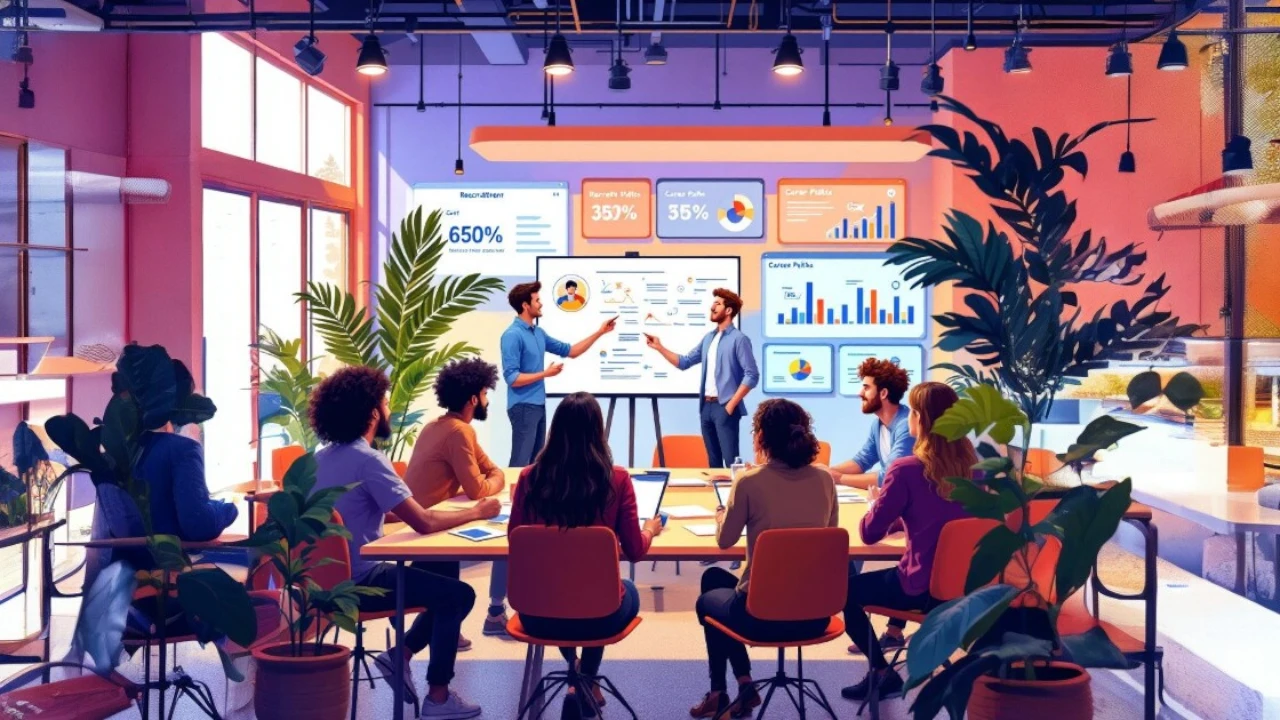
The Future of Work is Here
Millennials and Gen Z are no longer the workforce of tomorrow—they’re the dominant force shaping the workplace today. Together, they make up more than half of the global labor market, and their expectations are redefining how companies attract, engage, and retain talent.
If you’re still using outdated recruiting tactics, you’re already behind. This guide will give you the actionable strategies you need to win over the next generation—and build a team that’s innovative, loyal, and future-ready.
Who Are Millennials and Gen Z?
Let’s break it down:
- Millennials: Born between 1981–1996. Known for being tech-savvy, values-driven, and entrepreneurial.
- Gen Z: Born between 1997–2012. Digital natives, socially conscious, and the most diverse generation in history.
Despite their differences, both groups:
- Value purpose over profit
- Demand flexibility
- Expect digital fluency
- Seek meaningful work
Understanding these traits is the first step in tailoring your recruitment approach.
Why Traditional Recruitment Doesn’t Work Anymore
Posting a job ad and waiting for applications? That’s not enough anymore.
Millennials and Gen Z don’t want a job—they want a mission. They’re looking for workplaces that align with their identity, values, and lifestyle.
Outdated recruitment practices fail because they:
- Focus too much on salary, not purpose
- Use slow, clunky application processes
- Lack personalization and human connection
- Ignore digital channels where young talent hangs out
If you want to attract top next-gen candidates, it’s time to shift gears.
What Today’s Young Talent Really Wants
Millennials and Gen Z job seekers are intentional about where they work. They’re not afraid to ask hard questions and walk away from roles that don’t align with their vision.
Here’s what matters most to them:
Purpose and Impact
They want to know: How does this job make a difference in the world?
Work-Life Balance
Remote work, flexible hours, and mental health support aren’t perks—they’re expectations.
Diversity and Inclusion
Gen Z is the most diverse generation ever. They expect workplaces to reflect that and act on it, not just talk about it.
Growth and Learning
Stagnation is a deal-breaker. They want clear career development paths, mentoring, and continuous learning opportunities.
Transparency
From salaries to company values, young talent wants you to keep it real.
Crafting an Employer Brand That Attracts Next-Gen Talent
Your employer brand isn’t your logo or tagline—it’s your reputation as a place to work.
To appeal to Millennials and Gen Z, build a brand that:
- Tells a compelling story about your mission and culture
- Features real employees sharing their experiences
- Showcases your impact on social and environmental issues
- Lives on platforms where these generations spend time
Use your careers page, social media, and job ads to communicate a message that resonates with their values and lifestyle.
Using Social Media to Reach Young Professionals
If you’re not recruiting on social media, you’re invisible.
Where to Show Up:
- LinkedIn: Professional storytelling, thought leadership, company culture
- Instagram & TikTok: Behind-the-scenes culture, real employee moments, recruiting videos
- YouTube: Career tips, company tours, leadership interviews
Tips to Connect Authentically:
- Use video and short-form content
- Highlight diverse voices
- Reply to comments and DMs
- Run targeted recruitment ads
Pro tip: Feature young employees sharing “a day in their life” or personal growth journeys at your company.
Modernizing the Interview and Hiring Process
Younger candidates are judging your process as much as you’re evaluating them.
Make it:
- Fast and efficient – Long delays are a red flag
- Mobile-friendly – Most candidates apply from their phones
- Transparent – Set clear expectations about timelines, pay, and culture
- Conversational – Ditch the rigid Q&A and have a real conversation
- Feedback-oriented – Provide helpful updates, not radio silence
Bonus: Use tools like Calendly, Zoom, or async video interviews to streamline scheduling and communication.
Creating a Culture of Flexibility, Purpose, and Belonging
Attracting next-gen talent is just the beginning. Keeping them engaged is the real challenge.
Here’s what a high-retention culture looks like for Millennials and Gen Z:
Flexibility
Let them work from anywhere, at times that work for them. Focus on outcomes, not hours.
Purpose-Driven Leadership
Show how their role contributes to a greater mission—and back it up with action.
Psychological Safety
Create space for open feedback, diverse ideas, and authentic self-expression.
Recognition & Feedback
These generations crave acknowledgment and opportunities to grow. Offer regular feedback, not just annual reviews.
Retention Strategies That Keep Them Engaged
Hiring is only half the battle. Retention saves you time, money, and brand reputation.
Strategies That Work:
- Career progression plans from Day 1
- Wellness benefits like mental health days, therapy support, fitness stipends
- Flexible work environments—remote, hybrid, or compressed workweeks
- Peer learning and mentorship programs
- Celebration of wins (big and small)
Companies that prioritize employee experience see lower turnover, higher performance, and stronger referrals.
Final Thoughts: Future-Proof Your Recruitment Strategy
Millennials and Gen Z aren’t just changing the workplace—they’re redefining it.
The companies that win them over aren’t the ones offering ping-pong tables or free snacks. They’re the ones offering flexibility, inclusion, growth, and purpose.
Want to attract next-gen talent?
- Meet them where they are.
- Speak their language.
- Live your values.
Because the future isn’t coming—it’s already here.
Frequently Asked Questions
How do I attract Gen Z candidates?
Focus on social impact, flexibility, and authentic branding. Use social media to showcase your culture and mission-driven work.
What’s the biggest mistake companies make when recruiting young talent?
Using outdated methods and ignoring the values that matter—like purpose, transparency, and diversity.
Do Millennials and Gen Z care more about salary or purpose?
They care about both—but purpose, flexibility, and culture often outweigh a slightly higher paycheck.
What platforms are best for reaching Gen Z job seekers?
Instagram, TikTok, and YouTube for culture; LinkedIn for professional connections and job listings.
How do I keep Millennial and Gen Z employees from quitting?
Invest in their development, offer flexibility, create inclusive spaces, and show real appreciation for their work.
Helpful Internal Links
- Building a Future-Proof Workplace Culture
- Top Employer Branding Strategies
- The Remote Work Revolution: Why It’s Here to Stay
External Authoritative Resources
- Pew Research Center: Millennials and Gen Z Data
- Harvard Business Review: Managing the Next Generation of Workers
- Gallup: What Gen Z Wants from Work