

The Ultimate Blueprint to Growing a Profitable Online Business in 2025
The digital economy is booming—but competition is fiercer than ever. To build a sustainable, profitable online business in 2025,

The digital economy is booming—but competition is fiercer than ever. To build a sustainable, profitable online business in 2025, you need more than just a website. You need a strategic blueprint that leverages emerging trends, smart automation, and revenue-maximizing tactics.
Whether you’re starting from scratch or scaling an existing business, this guide reveals the step-by-step playbook top entrepreneurs are using to dominate their markets. Let’s dive in.
Why Most Online Businesses Fail (And How to Avoid It)
Before we discuss success, let’s address the biggest pitfalls:
- No clear niche – Trying to serve everyone means attracting no one.
- Poor monetization – Relying solely on ads or low-ticket sales.
- Ignoring automation – Wasting time on repetitive tasks instead of scaling.
- Underestimating marketing – “Build it and they will come” is a myth.
The solution? A strategic, customer-first approach—here’s how.
Step 1: Choose a Profitable Niche with High Demand
Your niche determines your success. Follow these criteria:
Validate Market Demand
- Use Google Trends, Amazon Best Sellers, and AnswerThePublic to spot growing trends.
- Look for “pain point” keywords (e.g., “how to fix slow WordPress site”).
Assess Competition & Profit Potential
- Check AdWords bid prices (high bids = profitable niches).
- Study competitors—do they have paid courses, coaching, or premium products? (This signals buyer willingness to spend.)
Examples of Lucrative 2025 Niches:
✔ AI-powered tools (ChatGPT plugins, automation software)
✔ Sustainable living (eco-friendly products, zero-waste guides)
✔ Health tech (personalized supplements, fitness trackers)
Step 2: Build a Scalable Business Model
Stop trading time for money. Profitable online businesses use recurring revenue and leverage.
Top Business Models for 2025:
Digital Products (High Margins, Low Overhead)
- E-books, templates, or software (sell once, profit forever).
- Online courses (platforms like Kajabi or Teachable handle delivery).
Subscription Services (Predictable Income)
- Membership sites (exclusive content, communities).
- SaaS tools (charge monthly for software access).
Affiliate Marketing (Passive Earnings)
- Promote high-ticket products (e.g., $1,000+ coaching programs).
- Use comparison reviews (e.g., “Kajabi vs. ClickFunnels”).
Step 3: Automate & Outsource for Efficiency
Time is your most valuable asset. Systemize everything.
Must-Automate Tasks:
- Email marketing (Tools: ConvertKit, ActiveCampaign).
- Social media posting (Tools: Buffer, Hootsuite).
- Customer support (AI chatbots like ManyChat).
Outsource to Experts:
- Freelancers (Upwork, Fiverr) for design, writing, or coding.
- Virtual assistants (FreeUp, Belay) for admin tasks.
Step 4: Master Customer Acquisition in 2025
Traffic = revenue. Here’s how to get consistent, targeted visitors.
Organic Strategies (Free Traffic)
- SEO-optimized blog content (Target long-tail keywords).
- YouTube Shorts/TikTok (Repurpose content for viral reach).
- Pinterest SEO (Ideal for e-commerce and bloggers).
Paid Strategies (Fast Results)
- Google Ads (High intent buyers).
- Meta Retargeting (Bring back website visitors).
Emerging 2025 Trend: Community-Led Growth
- Build a private Discord or Slack group.
- Host live Q&As or challenges to boost engagement.
Step 5: Optimize for Maximum Conversions
Traffic without conversions = wasted money.
Proven Conversion Boosters:
✔ Clear, benefit-driven headlines (“Get 50% More Clients in 30 Days”).
✔ Social proof (Testimonials, case studies).
✔ Risk-free guarantees (e.g., “30-day money-back promise”).
High-Converting Funnel Example:
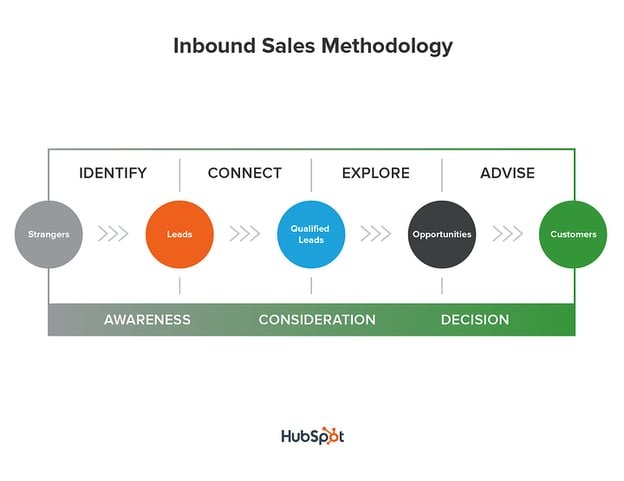
- Lead magnet (Free checklist → email opt-in).
- Nurture sequence (Daily emails with value).
- Tripwire offer ($7 mini-course → instant trust).
- Upsell ($297 premium program).
Step 6: Retain Customers & Increase Lifetime Value
Acquiring a new customer costs 5x more than retaining one.
Retention Tactics:
- Personalized email sequences (Birthday discounts, loyalty rewards).
- Exclusive upsells (“You bought X? You’ll love Y!”).
- Surprise bonuses (Unexpected freebies boost goodwill).
FAQs About Online Business Success
How much money do I need to start?
You can launch with $100–$500 (domain, hosting, basic tools). Scale reinvesting profits.
Which platform is best for selling digital products?
Kajabi (all-in-one) or Gumroad (beginner-friendly).
How long until I see profits?
3–6 months with consistent effort. Some niches (e.g., dropshipping) can profit faster.
Do I need tech skills?
No! Use no-code tools (Carrd for websites, Canva for graphics).
What’s the #1 mistake beginners make?
Not validating demand first. Test ideas before over-investing.
Final Thoughts: Your 2025 Action Plan
The online business landscape is evolving—but opportunities are endless for those who adapt.
Your Next Steps:
✔ Pick one niche (validate demand first).
✔ Choose a business model (subscriptions > one-time sales).
✔ Automate early (free your time for growth).
2025 is your year. Start small, stay consistent, and scale smart.
Want More? Check Out These Resources:
This blueprint is battle-tested, data-backed, and designed for real-world success. Now go build something amazing! 🚀