

10 Proven Strategies to Scale Your Startup and Accelerate Business Growth
Scaling a startup isn’t just about working harder—it’s about working smarter. Many founders hit a plateau because they focus

Scaling a startup isn’t just about working harder—it’s about working smarter. Many founders hit a plateau because they focus on short-term wins instead of sustainable growth systems.
The difference between startups that fizzle out and those that become market leaders? A proven scaling strategy.
In this guide, we’ll break down 10 data-backed methods to accelerate your startup’s growth, attract investors, and dominate your niche.
Master Product-Market Fit Before Scaling
Scaling too soon kills startups. First, ensure your product solves a real pain point so well that customers can’t live without it.
How to Validate Product-Market Fit:
✔ Track retention rates (Do users keep coming back?)
✔ Measure Net Promoter Score (NPS) (Would customers refer you?)
✔ Interview users (What’s their #1 benefit from your solution?)
Red Flag: If you’re constantly tweaking your product to please everyone, you haven’t found your core market yet.
Double Down on Your Highest-Value Customers
Not all customers are equal. Identify your most profitable segment (by revenue, retention, or referrals) and:
- Tailor marketing to attract more like them
- Develop premium offerings for this group
- Offer loyalty incentives to keep them engaged
Example: Slack focused on tech teams first before expanding to broader markets.
Leverage Automation to Handle Growth Without Chaos
Manual processes don’t scale. Automate:
- Lead nurturing (Email sequences, chatbots)
- Customer support (AI-powered help desks)
- Operations (Cloud accounting, inventory tools)
Tool Stack to Consider:
- Zapier (workflow automation)
- HubSpot (CRM + marketing)
- QuickBooks (financial management)
Secure Strategic Funding to Fuel Expansion
Bootstrapping has limits. When ready, explore:
- Venture capital (For hyper-growth startups)
- Angel investors (Early-stage mentorship + capital)
- Revenue-based financing (No equity dilution)
Pro Tip: Perfect your pitch deck by highlighting traction, market size, and scalability.
Build a Scalable Sales Machine
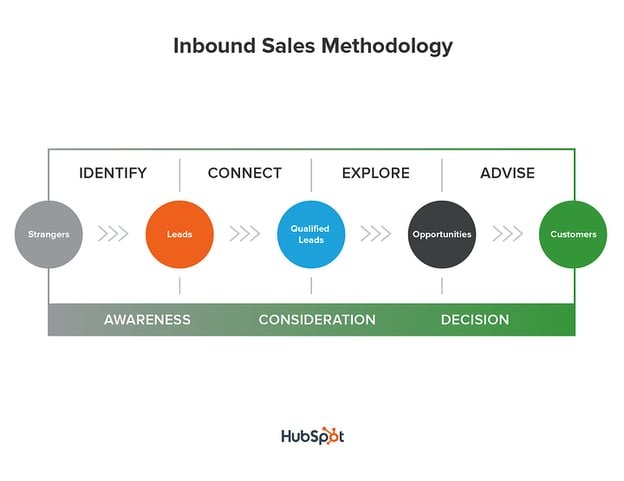
Relying on founder-led sales? You’ll hit a wall. Systemize sales with:
- CRM pipelines (Track leads efficiently)
- Sales playbooks (Train reps faster)
- Performance incentives (Boost close rates)
Case Study: Salesforce grew by standardizing sales processes early, enabling rapid scaling.
Dominate a Niche Before Expanding
Trying to appeal to everyone = appealing to no one. Specialize first, then broaden.
Example: Amazon started with books before becoming the “everything store.”
Form High-Impact Partnerships
Strategic alliances multiply your reach. Partner with:
- Complementary brands (Co-marketing campaigns)
- Industry influencers (Affiliate promotions)
- Distributors (Expand into new markets)
Success Story: Spotify’s partnership with Facebook skyrocketed user growth.
Optimize Pricing for Maximum Growth
Pricing can make or break scaling. Test:
- Tiered pricing (Free/Pro/Enterprise)
- Subscription models (Recurring revenue)
- Upsell strategies (Add-ons, bundles)
Data Point: Companies with three pricing tiers convert 2X more than single-option pricing.
Hire Ahead of the Curve
Scaling requires A-players before you’re desperate. Prioritize hires for:
- Revenue-generating roles (Sales, marketing)
- Operational efficiency (HR, finance)
- Culture fit (Avoid toxic hires at all costs)
Interview Hack: Ask, “What’s one process you improved at your last job?” to spot problem-solvers.
Track Metrics That Actually Matter
Vanity metrics mislead. Monitor key growth indicators like:
- Customer Acquisition Cost (CAC)
- Lifetime Value (LTV)
- Monthly Recurring Revenue (MRR)
Rule of Thumb: LTV should be 3X+ CAC for sustainable scaling.
FAQs: Startup Scaling Secrets
When is the right time to scale a startup?
When you have consistent revenue, strong retention, and operational systems in place—not just initial traction.
How much funding do I need to scale?
Depends on your model. SaaS startups often need $500K-$2M to scale, while e-commerce may require inventory capital.
What’s the biggest scaling mistake?
Growing headcount too fast before nailing unit economics.
Can bootstrapped startups scale successfully?
Yes—focus on profitability first, then reinvest. Basecamp and Mailchimp scaled without VC.
How do I handle competition when scaling?
Differentiate fiercely (better service, niche focus, unique tech) and out-execute on customer experience.
Final Thoughts: Scale Smart, Not Just Fast
Scaling isn’t a race—it’s a strategic chess game. Companies that grow too fast burn out. Those that scale methodically become market leaders.
Your Next Steps:
1️⃣ Audit your startup’s scalability (Where are the bottlenecks?)
2️⃣ Pick 2-3 strategies above to implement this quarter
3️⃣ Measure results and double down on what works
Want More Growth Tactics?
Check out our guides on [How to Pitch Investors] and [Customer Retention Strategies] to fuel your scaling journey.
Which scaling strategy will you try first? Let us know in the comments! 🚀