



10 Things Every Hiring Manager Should Know About Attracting Passive Candidates
Passive candidates are professionals who are not actively looking for a new job but remain open to opportunities if
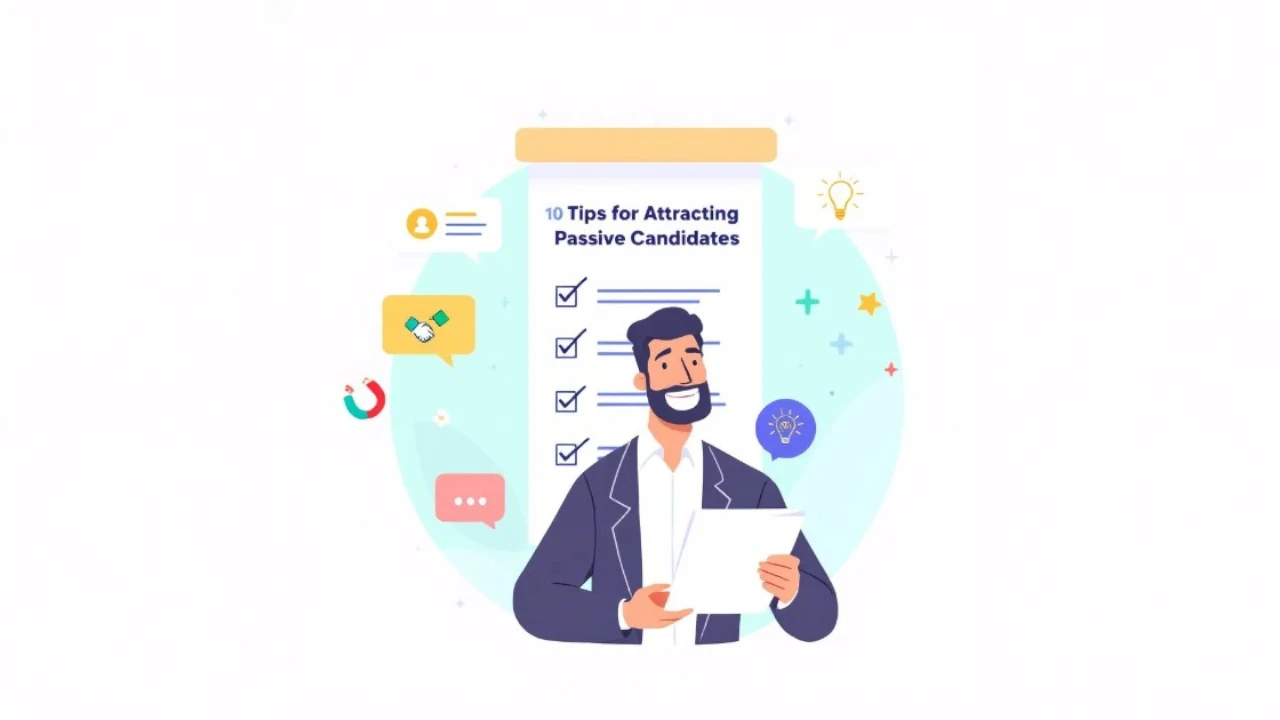
Passive candidates are professionals who are not actively looking for a new job but remain open to opportunities if the right one arises. These individuals often have the experience, skills, and stability that active job seekers may lack.
Hiring passive candidates requires a different approach than traditional recruitment because they aren’t applying to your postings—they need to be enticed and engaged strategically.
Why Passive Candidates Matter
Passive candidates bring significant value to organizations:
- High-caliber talent: They are often top performers in their current roles.
- Lower turnover risk: Engaged passive candidates typically seek long-term growth.
- Competitive advantage: Access to talent your competitors may overlook.
- Diverse skill sets: They often bring unique experience and perspectives.
Understanding these benefits is the first step to designing effective recruitment strategies.
Building a Strong Employer Brand
Passive candidates are attracted to organizations with strong reputations. Your employer brand communicates your company’s values, culture, and vision.
Strategies to enhance your employer brand:
- Showcase employee success stories on social media
- Share authentic behind-the-scenes content
- Highlight career development opportunities
- Promote workplace awards and achievements
A strong brand makes your organization irresistible to top talent.
Leveraging Employee Advocacy
Employees are your best ambassadors. Referrals and recommendations can help reach passive candidates who trust insights from peers.
Tactics for employee advocacy:
- Encourage team members to share job openings on LinkedIn and social media
- Offer incentives for successful referrals
- Promote stories of employee growth within the company
- Create a culture where employees are proud to represent the brand
Employee-driven promotion often reaches passive candidates who might not respond to traditional outreach.
Crafting Compelling Job Descriptions
Even passive candidates need clarity on what makes a role exciting. A well-crafted job description should emphasize value, growth, and culture rather than just requirements.
Key tips for writing irresistible job descriptions:
- Use inclusive and engaging language
- Highlight impact and contribution instead of just tasks
- Showcase learning opportunities and career progression
- Keep it concise and easy to read
Passive candidates respond better to opportunities that resonate with their professional goals.
Personalized Outreach Strategies
Passive candidates require personalized engagement. Generic messages are often ignored, but tailored communication grabs attention.
Effective outreach techniques:
- Reference specific achievements or skills from their LinkedIn profile
- Explain why the role aligns with their career trajectory
- Be authentic and avoid overly salesy language
- Follow up strategically without being pushy
Personalization demonstrates genuine interest and increases response rates.
Engaging Through Thought Leadership
Sharing valuable content positions your company as a thought leader and attracts passive candidates organically.
How to leverage thought leadership:
- Publish industry insights and trend reports
- Host webinars or online workshops
- Encourage executives to share professional experiences on LinkedIn
- Engage in professional groups or forums
This establishes credibility and attracts candidates who value innovation and expertise.
Utilizing Talent Pools and CRM Systems
Maintaining a database of potential candidates ensures you can engage them when opportunities arise.
Best practices for talent pools:
- Segment candidates by skills, experience, and interests
- Regularly update contact information and engagement history
- Send personalized updates about relevant openings
- Use CRM tools to track communication and engagement
A well-maintained talent pool allows proactive recruitment rather than reactive hiring.
Offering Career Growth and Development Opportunities
Passive candidates are often motivated by growth, learning, and advancement. Highlight these aspects in your recruitment strategy.
How to showcase career development:
- Present clear promotion pathways
- Highlight mentorship and training programs
- Share success stories of internal mobility
- Emphasize skill-building opportunities
When passive candidates see long-term potential, they are more likely to consider a move.
Timing and Patience in Recruitment
Attracting passive candidates is rarely instant. Patience and timing are crucial.
Strategies for effective timing:
- Engage candidates during industry events or conferences
- Reach out when their current company is going through changes
- Maintain relationships even if the candidate isn’t ready
- Follow up periodically with relevant updates
Persistence and strategic timing often turn initial “no’s” into eventual hires.
Building Relationships Before Hiring Needs Arise
The most successful recruiters cultivate relationships long before roles are open. This approach builds trust and positions your company as a preferred employer.
Tips for relationship building:
- Connect through LinkedIn and professional communities
- Engage with their content and achievements online
- Offer informal informational interviews
- Celebrate their milestones or achievements
By investing in relationships, you create a pipeline of engaged passive candidates ready to consider your opportunities.
Conclusion: Attracting Passive Candidates is a Strategic Advantage
Attracting passive candidates is no longer optional—it’s a strategic advantage. Companies that master personalized outreach, strong employer branding, employee advocacy, and relationship-building gain access to top talent that others overlook.
By investing time and resources in attracting passive candidates, hiring managers can fill roles with high-performing, loyal, and skilled professionals. The key is to combine patience, personalization, and proactive engagement to turn potential leads into successful hires.
FAQs About Attracting Passive Candidates
What is a passive candidate?
A passive candidate is someone not actively seeking a new job but open to opportunities if the role aligns with their career goals.
Why are passive candidates valuable?
They often possess experience, stability, and skills that active candidates may not, providing a competitive advantage.
How do I approach passive candidates without being pushy?
Use personalized outreach that highlights their achievements and aligns with their professional goals, maintaining authenticity.
Can social media help attract passive candidates?
Yes, platforms like LinkedIn are ideal for thought leadership, engagement, and showcasing your company culture to passive talent.
How can I maintain a pipeline of passive candidates?
Use talent pools and CRM systems to track potential candidates, segment them, and engage regularly with personalized updates.
Internal Links:
- Learn more about employee advocacy strategies
- Explore crafting compelling job descriptions
External Links: